Eating vegetarian or vegan in Seoul with a local
Ask about broth, sauces and shared kitchens.
Here’s what to know.
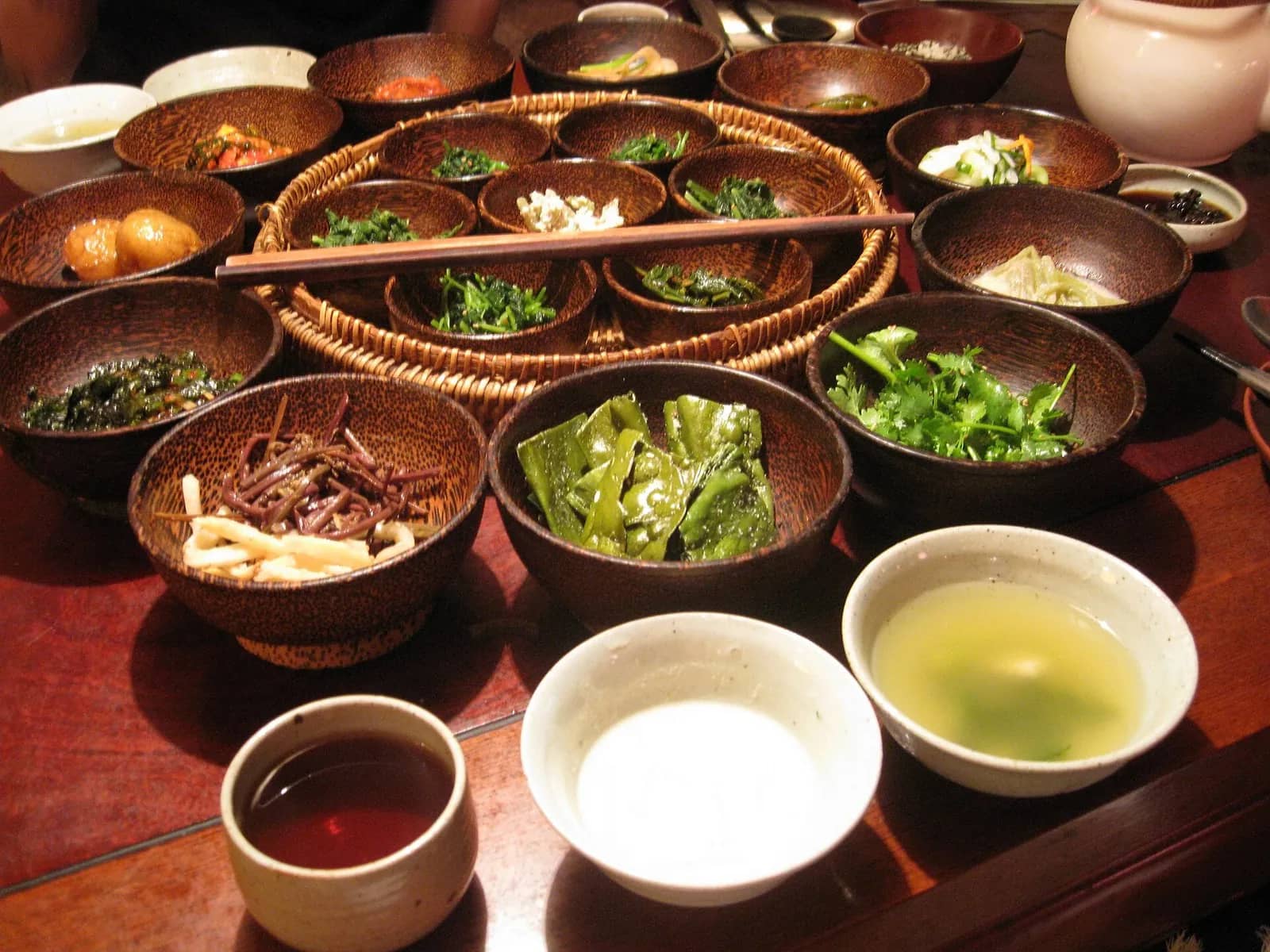
Seoul is easier than its reputation but harder than a menu suggests, because animal ingredients hide in stocks and side dishes. Anchovy and beef broth, fish sauce in kimchi and shrimp paste in stews are the usual traps. Temple food, sachal eumsik, is fully plant-based, and Korean vegan restaurants have multiplied in Hongdae, Seongsu and around the universities.
Before you go
- Decide what matters most for your day.
- Check current hours, weather and transport.
- Leave a buffer between plans.
Why is vegetarian Korean food harder than it looks?
Because the animal ingredients are in the base, not on the plate. A bowl of noodles that contains no visible meat is very often built on myeolchi yuksu, anchovy stock, or a beef broth. Vegetable side dishes, banchan, are frequently seasoned with fish sauce or dried shrimp. The question to ask is never whether a dish has meat in it, but what the stock and the seasoning are made of.
- Anchovy stock, myeolchi yuksu, in noodle soups, tteokbokki and many stews.
- Beef stock in seemingly plain soups and in instant noodles.
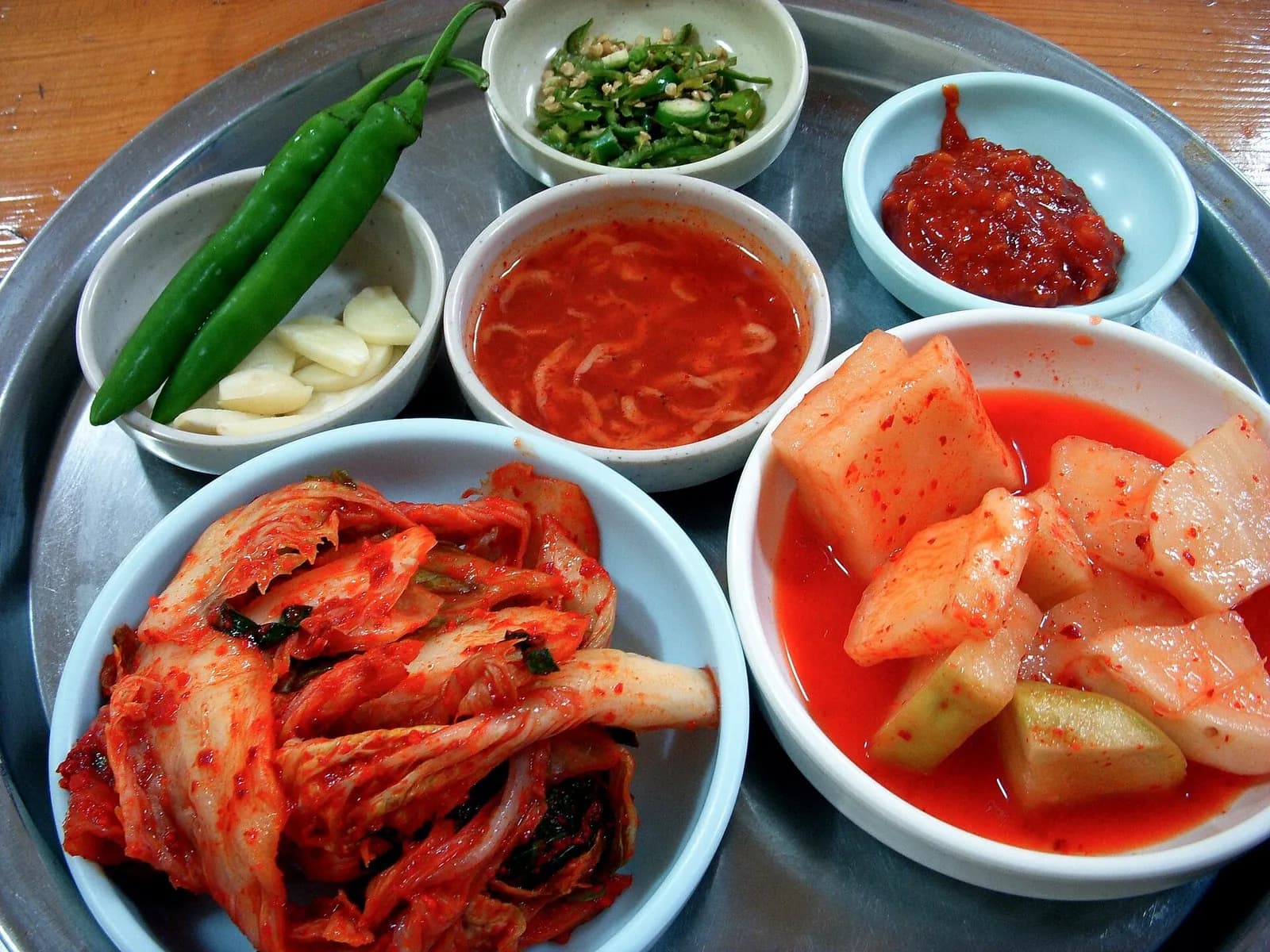
- Fish sauce, aekjeot, and salted shrimp, saeujeot, in kimchi and in seasoned vegetable side dishes.
- Dried shrimp or bonito in vegetable pancakes and dipping sauces.
- Egg garnish on bibimbap and gimbap unless you ask for it to be left off.
- Ham or fish cake in what looks like a vegetable stir fry, especially in student-area food.
A little more detail
Kimchi is the most common surprise. Most kimchi, both commercial and restaurant-made, contains jeotgal, salted fermented seafood, usually anchovy or shrimp. Vegan kimchi exists and is increasingly available, but it is a specific product you have to ask for rather than the default.
The third trap is that the Korean word for vegetarian, chaesikjuuija, is often understood as somebody who mostly eats vegetables rather than as a strict rule, and seafood is frequently not counted as meat. That is a translation problem, not evasion, and it is why naming the ingredients you avoid works far better than naming the category.
What Korean phrases actually work?
Name the ingredient, not the diet. The single most effective sentence is gogi, saengseon, gyeran da an meogeoyo, meaning I do not eat meat, fish or egg at all. Following it with a question about the broth gets you the rest of the way: yuksu-e myeolchi deureoganayo, does the stock contain anchovy.
| What you want to say | Korean | Romanization |
|---|---|---|
| I do not eat meat, fish or egg | 고기, 생선, 계란 다 안 먹어요 | gogi, saengseon, gyeran da an meogeoyo |
| I am vegan | 저는 비건이에요 | jeoneun bigeon-ieyo |
| Does the broth have anchovy in it? | 육수에 멸치 들어가나요? | yuksu-e myeolchi deureoganayo? |
| Please leave the meat out | 고기 빼고 주세요 | gogi ppaego juseyo |
| Is there fish sauce in the kimchi? | 김치에 젓갈 들어가나요? | kimchi-e jeotgal deureoganayo? |
| Vegetable dishes only, please | 채소 요리만 주세요 | chaeso yori-man juseyo |
A little more detail
For a simpler version, jeoneun chaesikjuuija-yeyo means I am a vegetarian, and bisegeon means vegan, which younger staff in cafe districts will recognize. Gogi ppaego juseyo means please leave out the meat, which works for dishes where meat is a topping rather than a base.
Write the key words down or keep them on your phone in Korean. Showing a written line in a busy restaurant is far more reliable than pronouncing it over a noisy griddle, and staff will usually go and ask the kitchen if they are unsure.
What can you reliably eat?
Temple food is the strongest answer. Sachal eumsik is the Korean Buddhist temple cuisine tradition, fully plant-based and additionally avoiding the five pungent vegetables including garlic and onion. Several restaurants in Seoul serve it as a proper multi-course meal, mostly in the palace and Insa-dong area, and temple stay programs include it. It is not a compromise version of Korean food; it is a distinct and old cuisine.
A little more detail
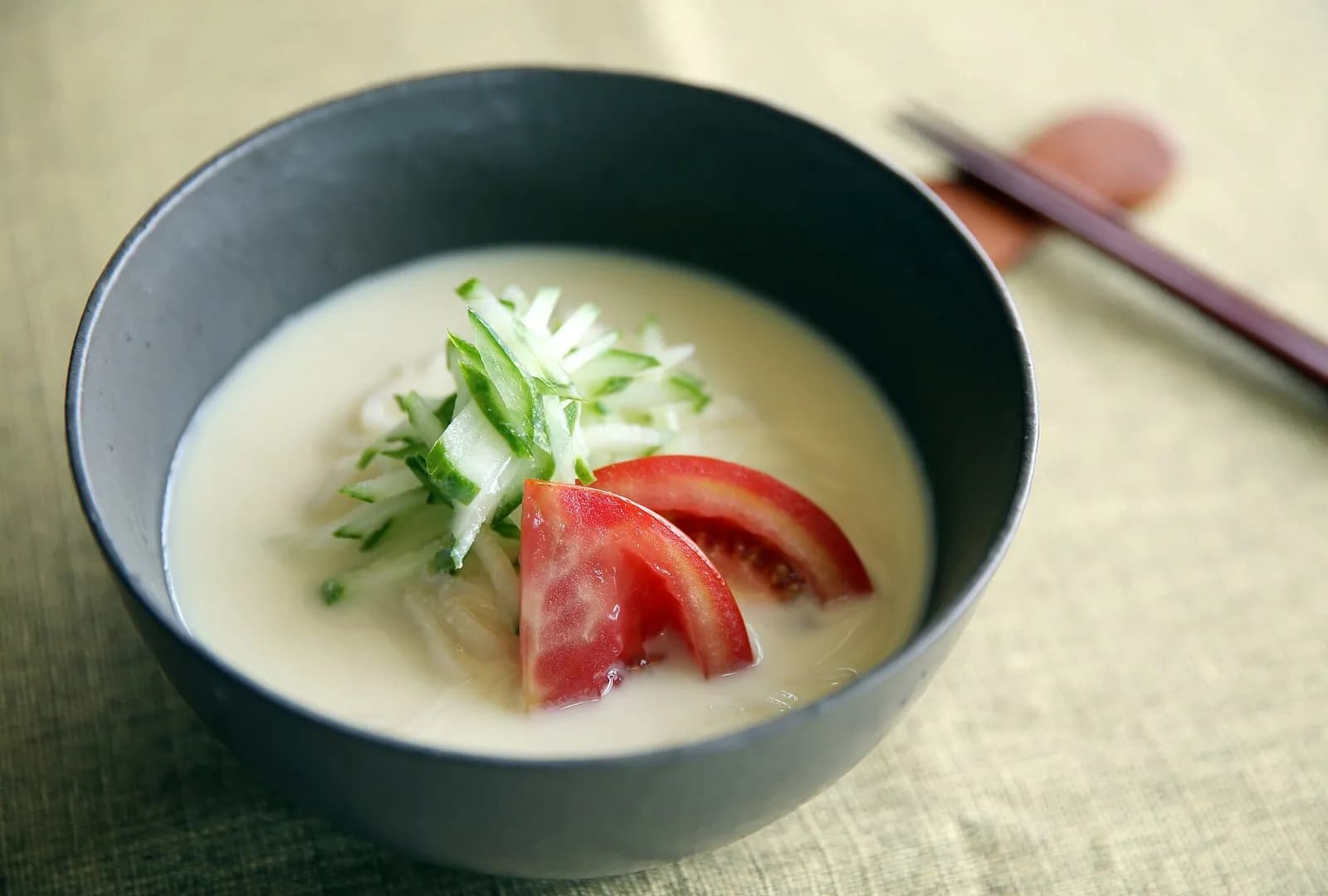
Beyond that, the reliably vegetarian-adaptable Korean dishes are bibimbap without egg and meat and with the broth checked, kongguksu, cold soy milk noodles, in summer, japchae if made without meat, pajeon and other pancakes if the batter has no seafood, doenjang jjigae specified without anchovy or clams, sundubu without seafood, and gimbap ordered without ham, egg and fish cake. Bindaetteok at Gwangjang Market is mung bean and commonly vegetarian, but ask, because some versions include pork.
Dedicated vegan restaurants and cafes have grown substantially in Seoul in recent years, concentrated around Hongdae and Yeonnam-dong, Seongsu, Itaewon and the university districts. Korean vegan burger, bakery and dessert places are easy to find through the usual vegan mapping apps, which have reasonable Seoul coverage.
How does a local change this?
They ask the kitchen. That is the entire difference. The barrier in Seoul is not availability, it is verification in the moment: whether the stock is anchovy, whether the side dishes were seasoned with fish sauce, whether the chef is willing to adapt. A Korean speaker can settle it in one exchange, and can also tell when a restaurant is saying yes to be agreeable rather than because it is true.
A little more detail
A local also knows the current map. Vegan restaurants in Seoul open and close quickly and app listings lag, so somebody who lives in the neighborhood can tell you what is actually still there this month. In Seongsu and Hongdae that difference is significant.
If you use localseoul, put the requirement in the request text. Say that you are vegetarian or vegan and whether you eat seafood or egg, since those are the two lines Korean restaurants will ask about. Verified locals see the request on a board, and one who is happy to eat that way proposes a time and a public place. It is free during early access and each person pays for their own meal.
What about drinking and social meals?
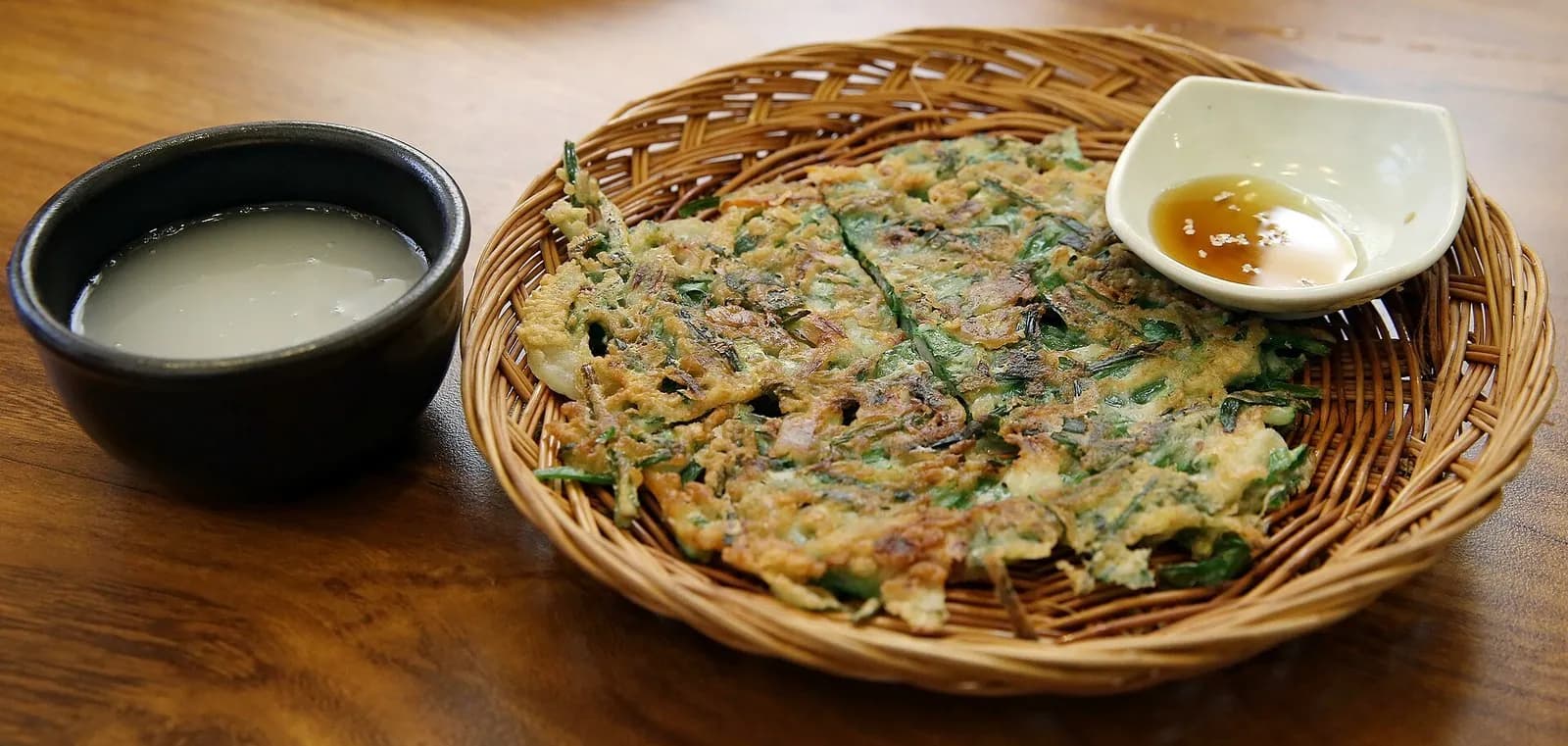
Most Korean alcohol is straightforwardly plant-based. Soju, makgeolli and Korean beer are fine for vegetarians, though makgeolli is unfiltered rice wine and some producers are not vegan-certified. The problem is the food that comes with drinking: anju, the shared dishes ordered alongside, are meat and seafood heavy by default.
A little more detail
The workable move at a group meal is to order one or two dishes you can eat for the table rather than asking the group to change their order. Vegetable pancakes, tofu dishes, corn cheese, fries and salads are all normal anju choices, so this does not read as an imposition.
If you do not drink at all, say so at the start rather than deflecting each round. Jeoneun sureul an masyeoyo, I do not drink, is understood, and the social pressure that Korean drinking culture is known for has eased considerably among younger people.
Good questions.
Is Korean food vegetarian friendly?
Less than it looks. Many dishes without visible meat are built on anchovy or beef stock, and most kimchi contains salted fermented seafood. Temple food, dedicated vegan restaurants and carefully specified dishes work well, but assume a base ingredient unless you have asked.
Is kimchi vegan?
Usually not. Most kimchi contains jeotgal, salted fermented seafood such as anchovy or shrimp. Vegan kimchi is made and sold in Korea, but it is a specific product you have to ask for rather than what arrives on the table by default.
What is Korean temple food?
Sachal eumsik is Korean Buddhist temple cuisine: fully plant-based and also avoiding the five pungent vegetables, including garlic and onion. Several Seoul restaurants serve it as a multi-course meal, mainly around the palace and Insa-dong area, and temple stay programs include it.
How do I say I am vegan in Korean?
Jeoneun bigeon-ieyo means I am vegan, but naming ingredients works better: gogi, saengseon, gyeran da an meogeoyo means I do not eat meat, fish or egg at all. Add yuksu-e myeolchi deureoganayo to ask whether the broth contains anchovy.
Which Seoul neighborhoods have the most vegan options?
Hongdae and the adjoining Yeonnam-dong, Seongsu, Itaewon and the university districts have the highest concentration of dedicated vegan restaurants, bakeries and cafes. Listings go out of date quickly, so check a current vegan mapping app or ask someone who lives there.
Plans and opening hours can change. Check the venue or official source before you go. How we put these guides together · Suggest a correction
Get a feel for the neighborhood.

Keep exploring.
All guides ↗ Your kind of trip
Eating in Seoul as a Muslim traveler
Check the kitchen, not just the label.
 Everyday know-how
Let’s get coffee
Order, settle in, know the house rules.
 Everyday know-how
Drinks, on your terms
You can always choose something else.