Korean cafe culture: why cafes are where you meet people
Order, settle in, know the house rules.
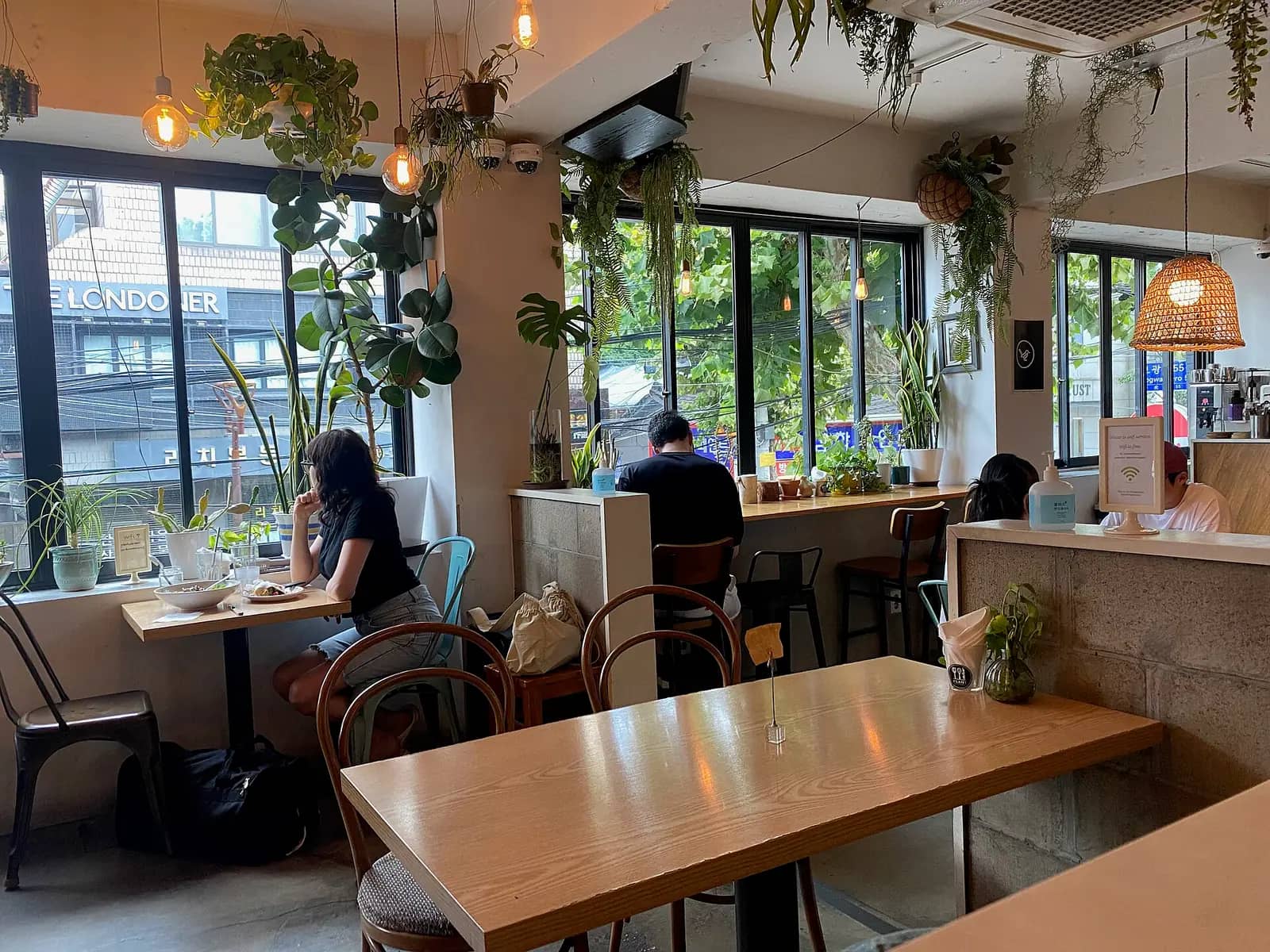
Here’s what to know.
A cafe is an easy, public place for a first meeting in Seoul. Choose somewhere near a station, order a drink each and check the house rules before settling in. Opening hours, seating limits, laptop policies and payment options vary, so a little checking beats assuming every cafe works the same way.
Before you go
- Check opening hours and any seating or laptop limits.
- Order a drink each and say hot or iced.
- Keep a backup payment method with you.
How do I choose a cafe for a first meeting?
Choose an easy-to-find cafe with seats and space to talk. Send its map pin and Korean name, then agree on a time. A convenient place with a short queue is usually a better meeting spot than a famous cafe you might not get into.
- Check today’s opening hours, not just an old social post.
- For an evening meeting, check the closing time.
- Have a nearby backup if the first place is full.
How do I order?
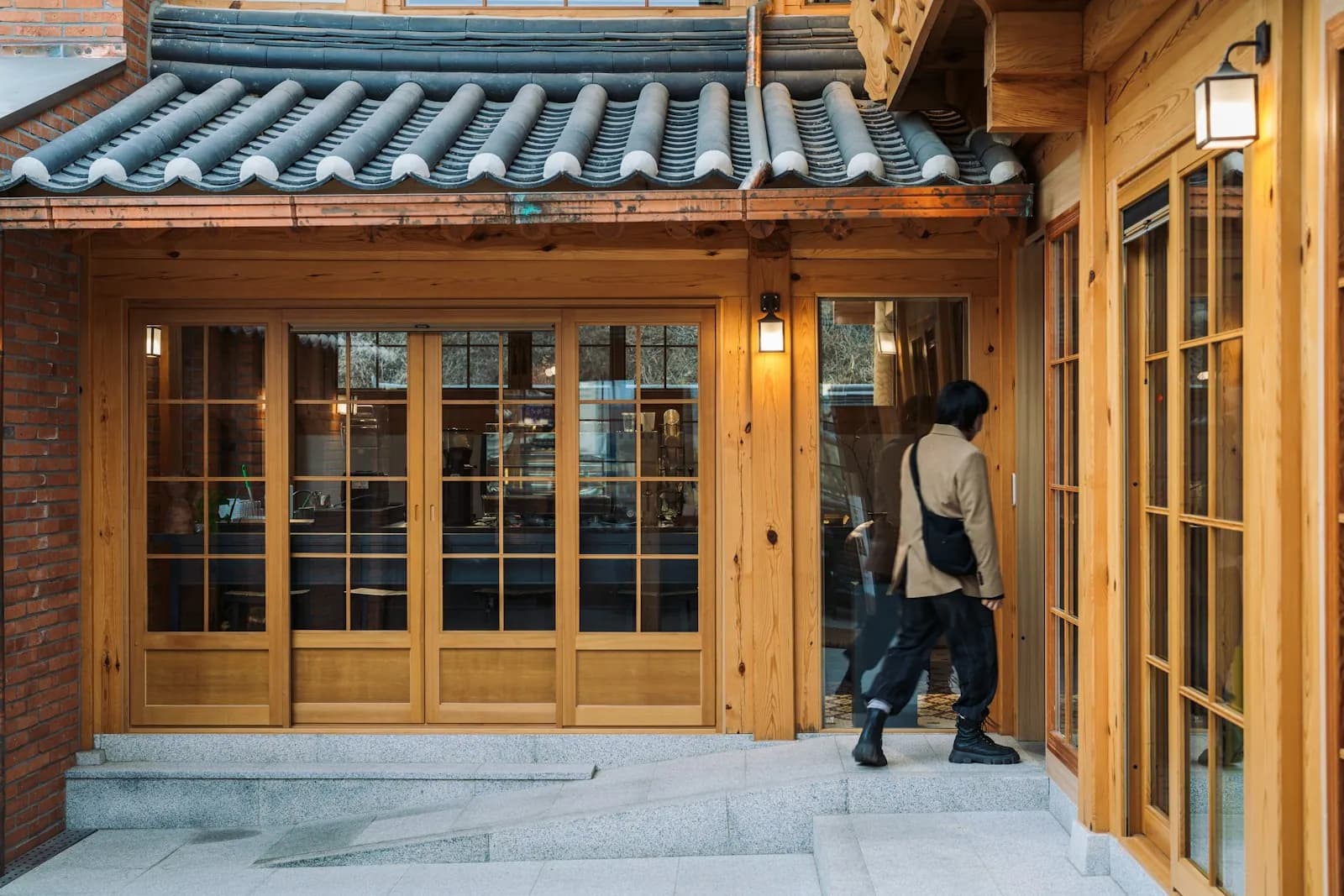
Check whether the cafe uses a counter, kiosk or table service. Say whether you want the drink hot or iced, and whether you are staying or taking it away. Keep the receipt or buzzer until your order is ready.
- 아메리카노 한 잔 주세요 — amerikano han jan juseyo — One Americano, please.
- 아이스로 주세요 — aiseuro juseyo — Iced, please.
- 따뜻하게 주세요 — ttatteuthage juseyo — Hot, please.
- 여기서 마실게요 — yeogiseo masilgeyo — I’ll drink it here.
Can I stay for hours or work on my laptop?
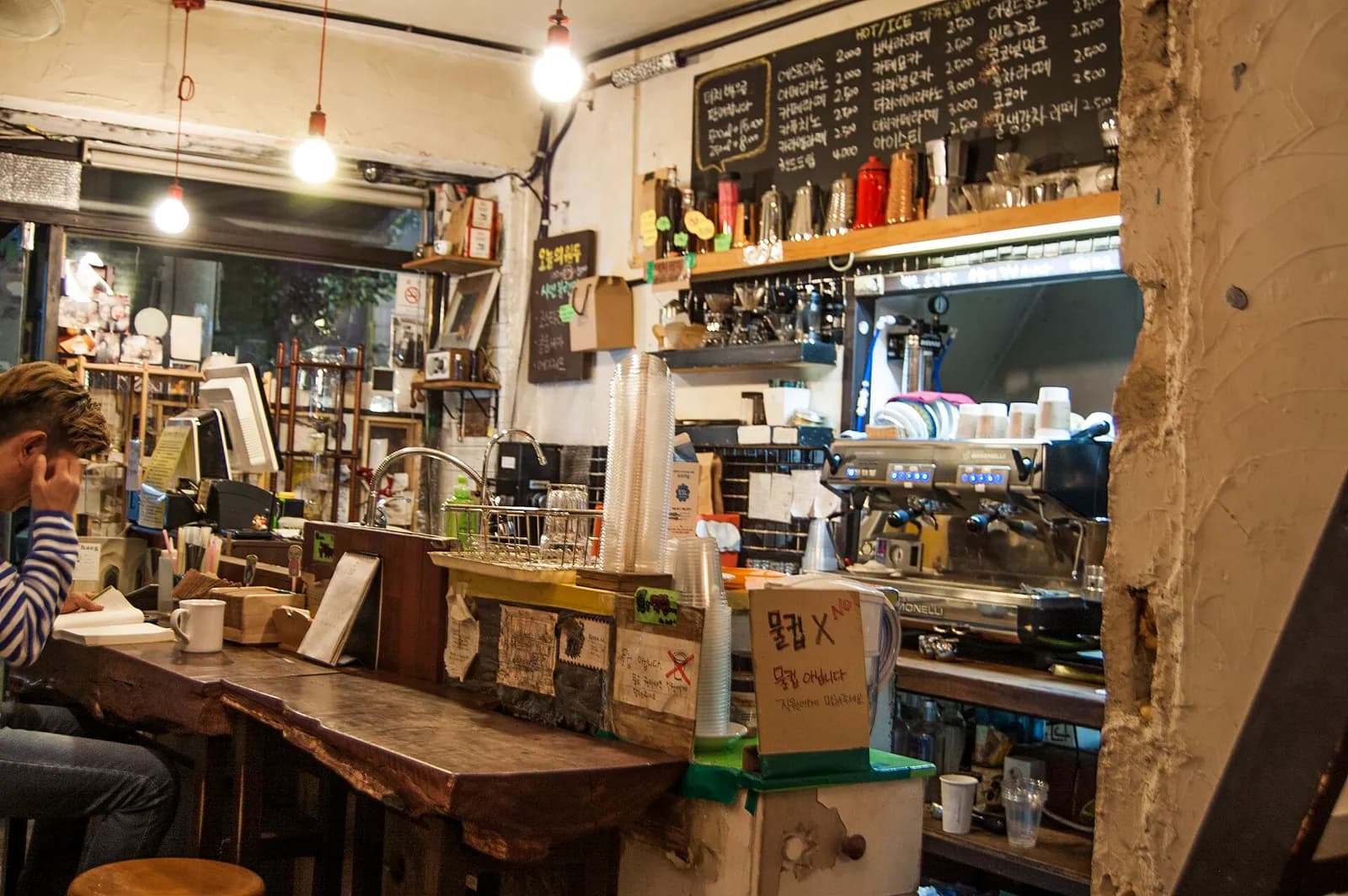
Ask or read the signs. Some cafes welcome longer stays; others limit seating time, laptops or busy weekend visits. Buy a drink for each person unless the venue says otherwise, keep bags off spare seats when it is busy, and follow staff guidance. A drink is not a promise of unlimited table time.
How much should I budget, and can I use a card?
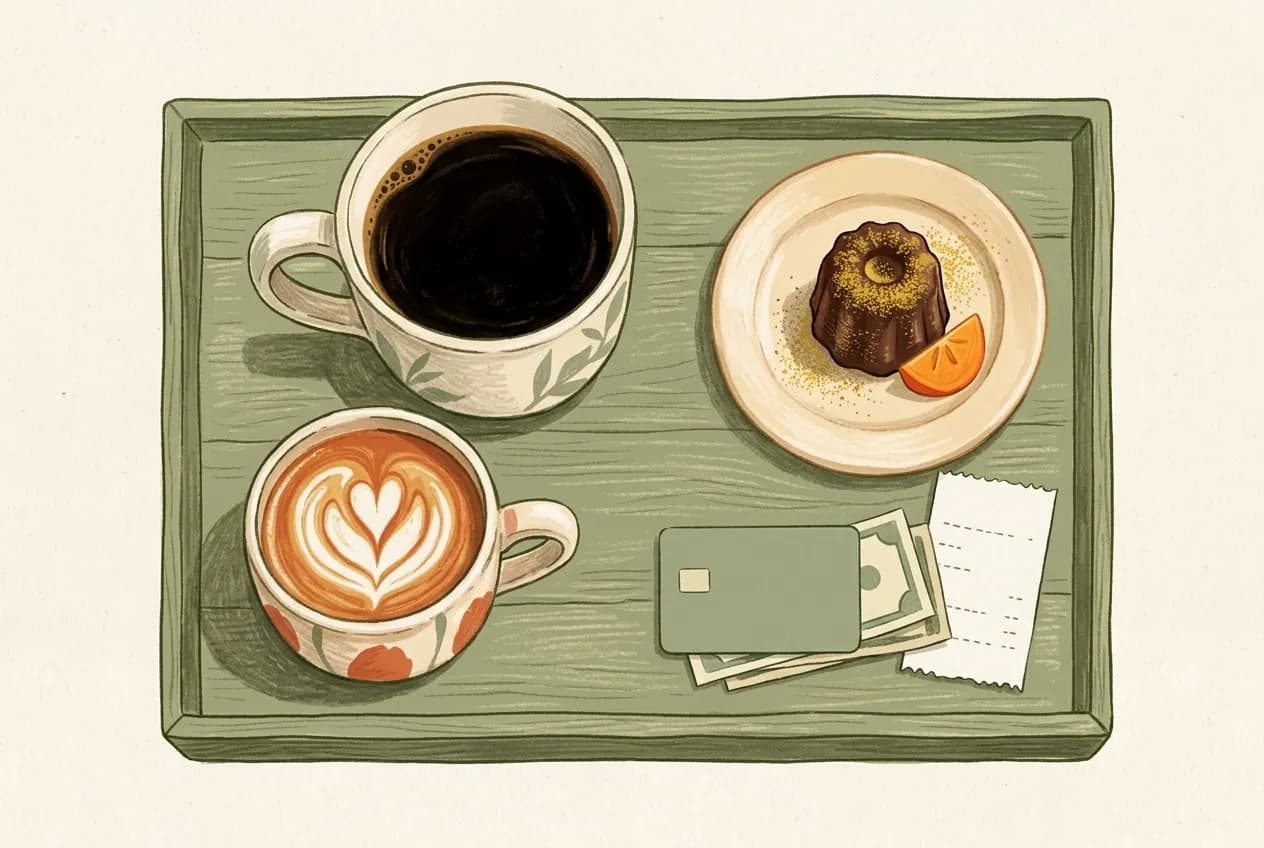
Use the cafe’s current menu to set your budget. Prices differ by drink, neighborhood and venue, and a dessert can add substantially to the bill. KTO notes that cards are widely accepted in Korea but advises checking availability; keep another card or some cash as a backup.
- Check the displayed total before paying.
- Ask about non-coffee options and ingredients if needed.
- Do not rely on Wi-Fi or a power outlet until you have checked the venue.
Good questions.
Do I need to speak Korean to order coffee?
A menu, a translation app and pointing can help. A short Korean phrase is useful, but do not assume staff speak English. Confirm the drink, temperature and quantity before paying.
Is one drink enough for a long stay?
Follow the cafe’s rules. One drink per person is a sensible starting point, but seating limits vary. Check any time-limit sign and ask before planning a long work session.
What if I do not drink coffee?
Check the menu for tea, fruit drinks or other options. Availability and ingredients vary. Suggest a tea house or another public meeting place if that suits you better.
Sources & useful links
Plans and opening hours can change. Check the venue or official source before you go. How we put these guides together · Suggest a correction
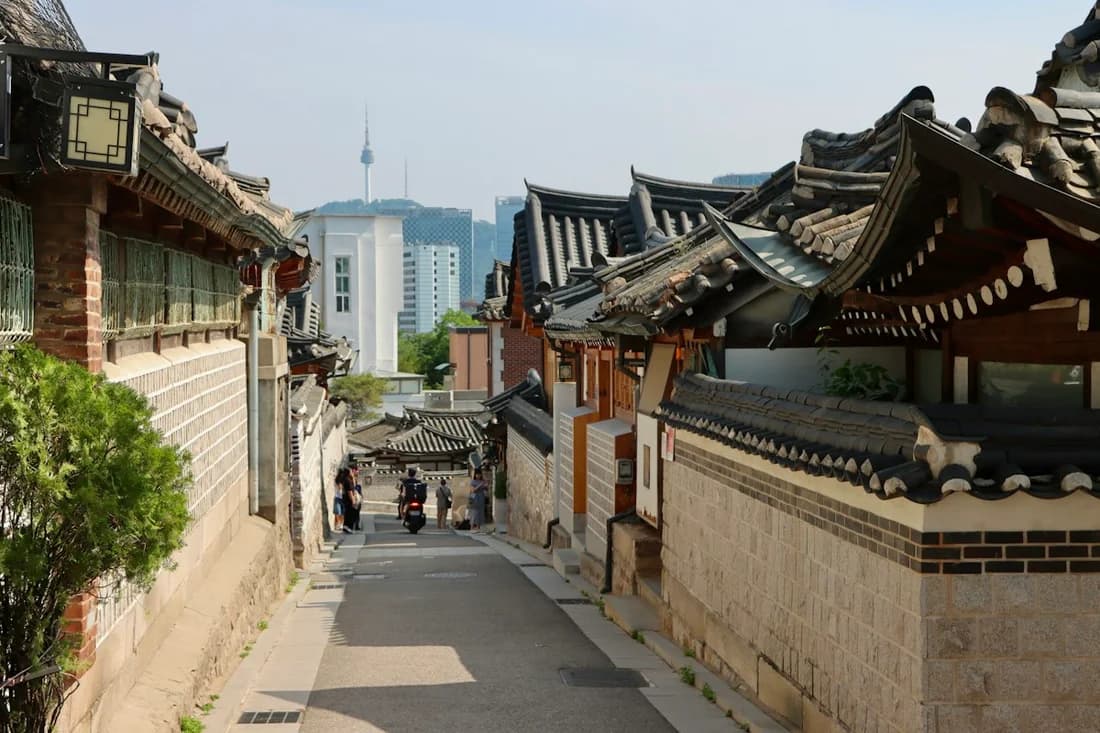
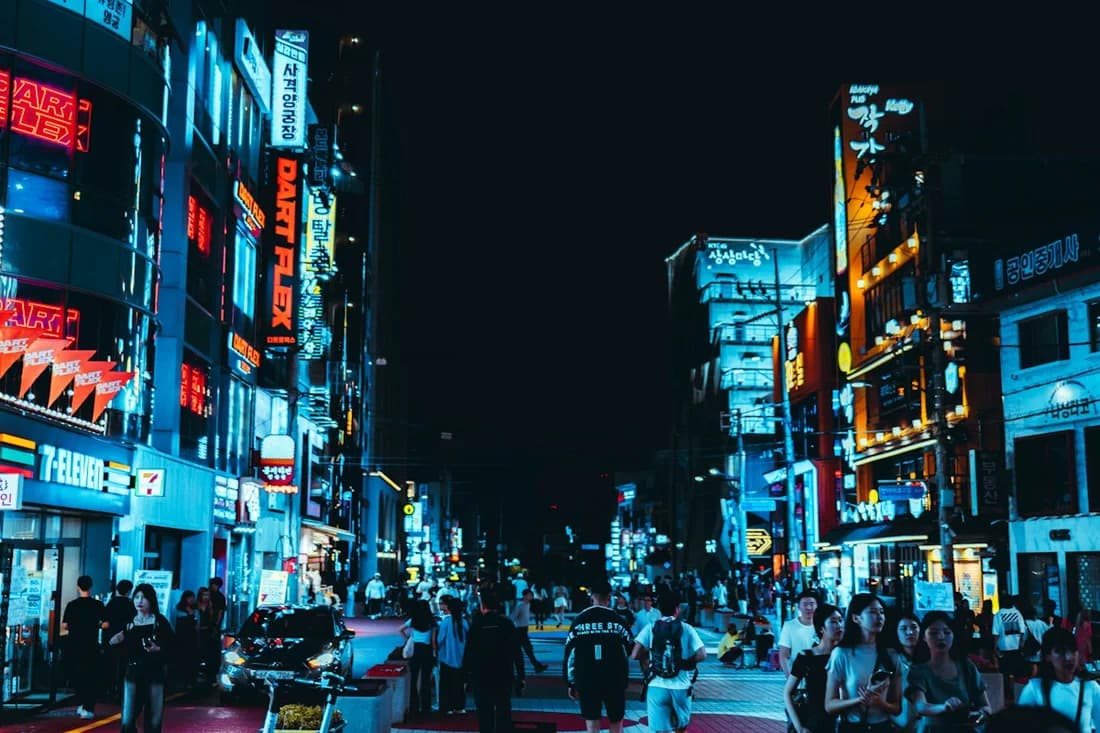
Get a feel for the neighborhood.
Keep exploring.
All guides ↗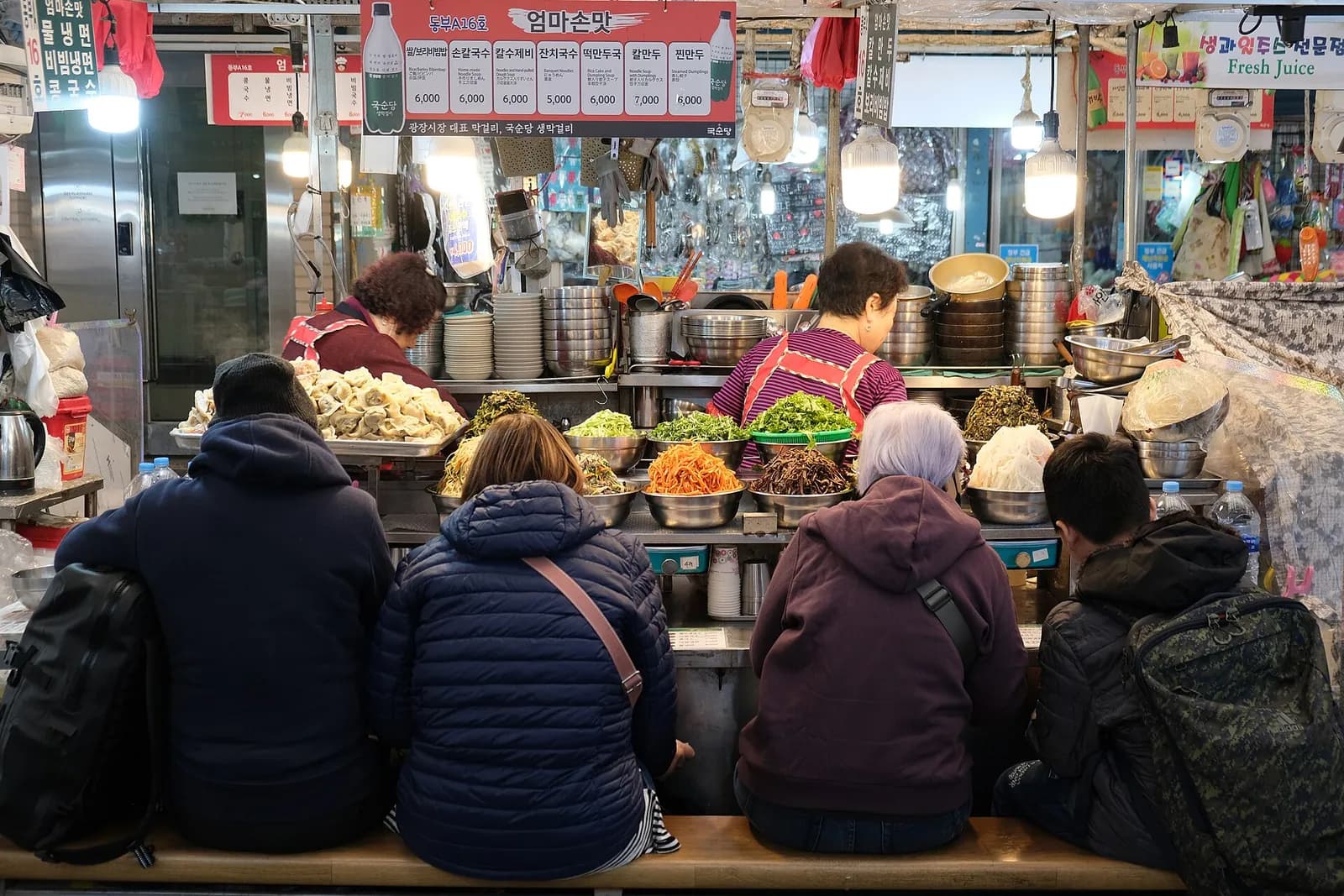 Everyday know-how
Split the bill, skip the guesswork
Ask before you order.
 Everyday know-how
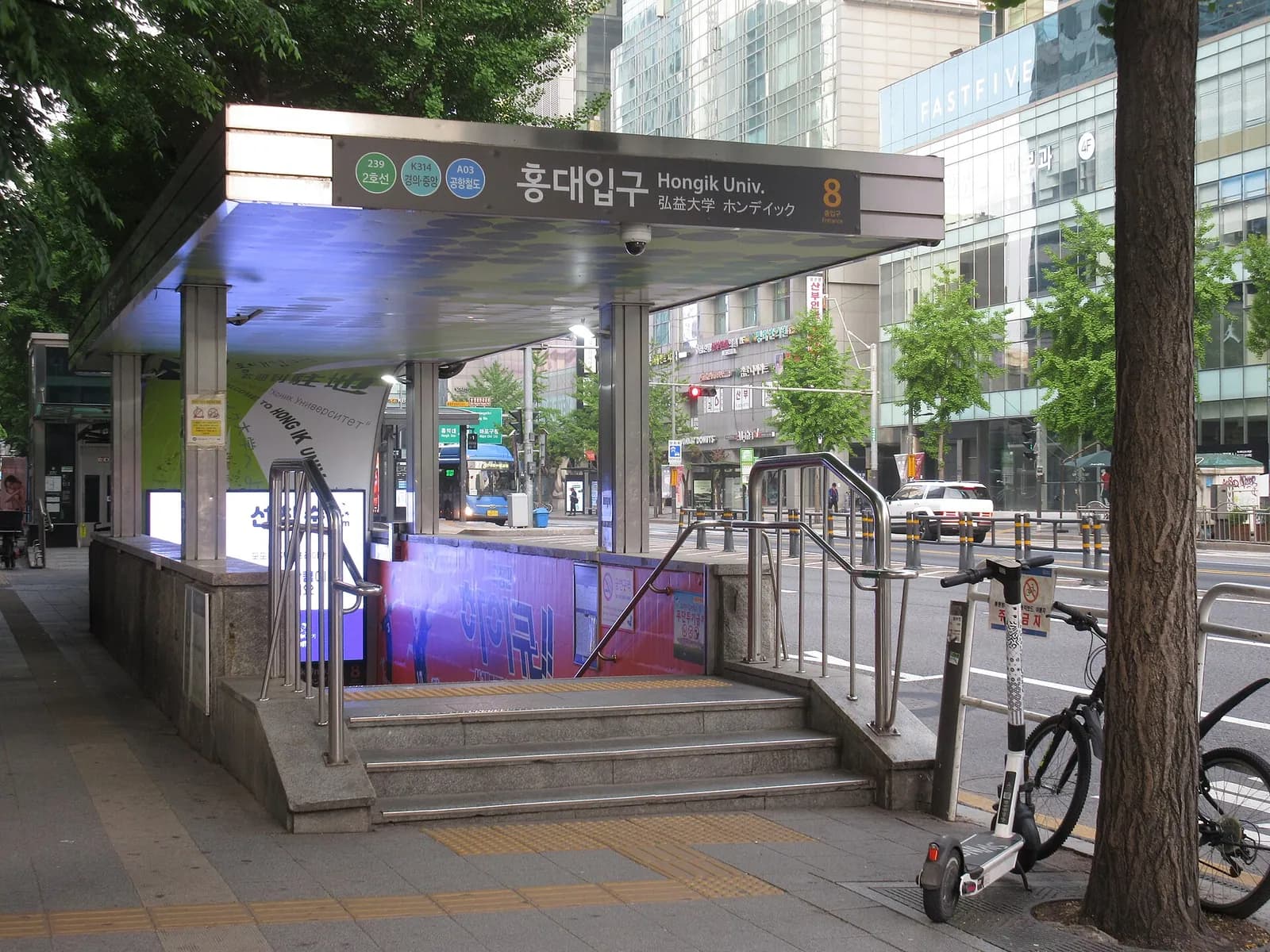
Same station. Same exit.
A better plan than “meet at the station.”
 Make friends
Who gets the coffee?
Agree on the bill without the awkwardness.