Halal food and prayer in Seoul, with a local's help
Check the kitchen, not just the label.
Here’s what to know.
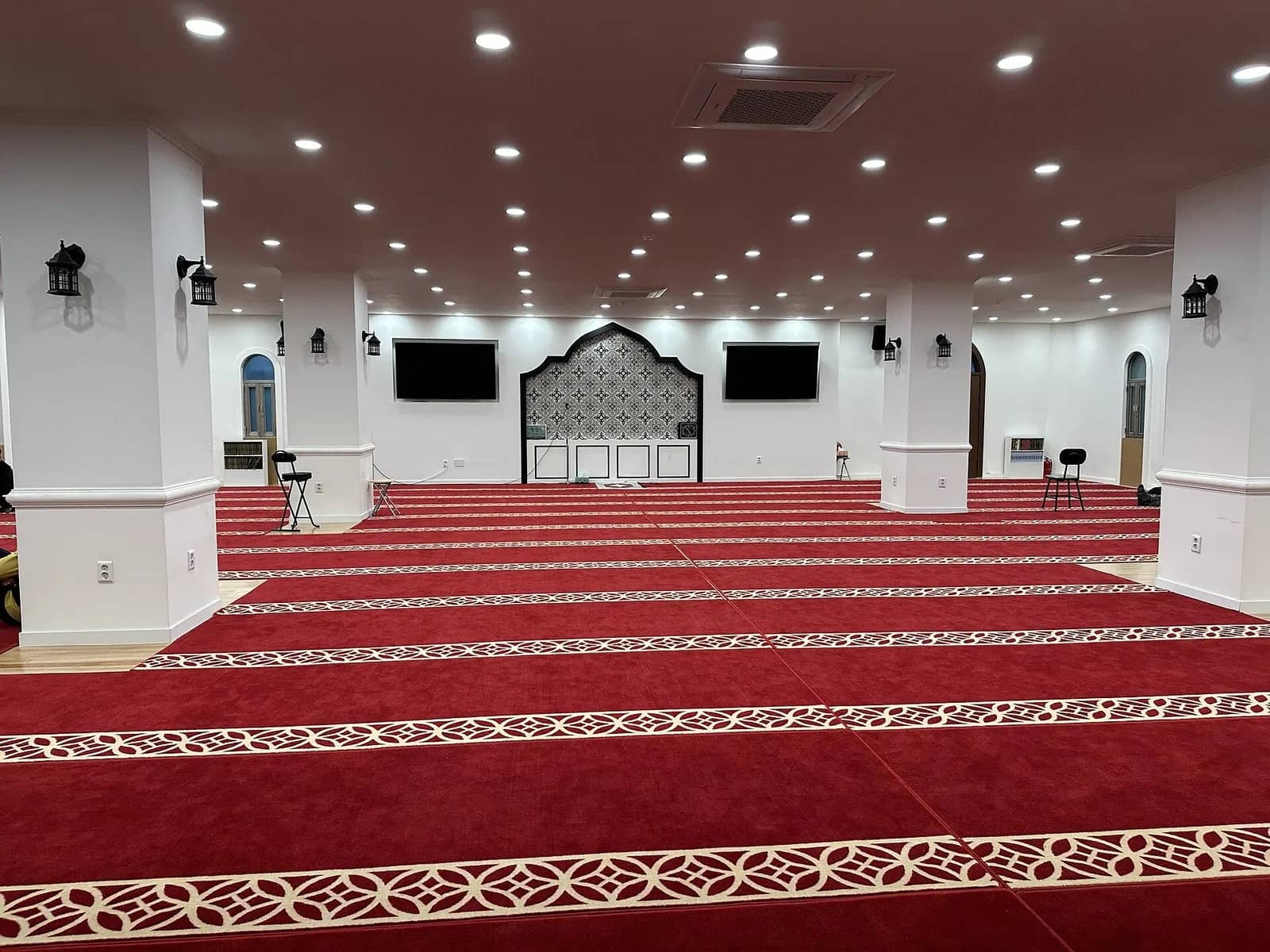
Seoul is workable for Muslim travelers with planning. The Seoul Central Mosque in Itaewon is the main place of worship, with halal restaurants and grocers on the street leading up to it, and the Korea Muslim Federation operates the national halal certification scheme. Elsewhere, prayer rooms exist in airports, some malls and universities, but not as standard.
Before you go
- Decide what matters most for your day.
- Check current hours, weather and transport.
- Leave a buffer between plans.
Where do you pray in Seoul?
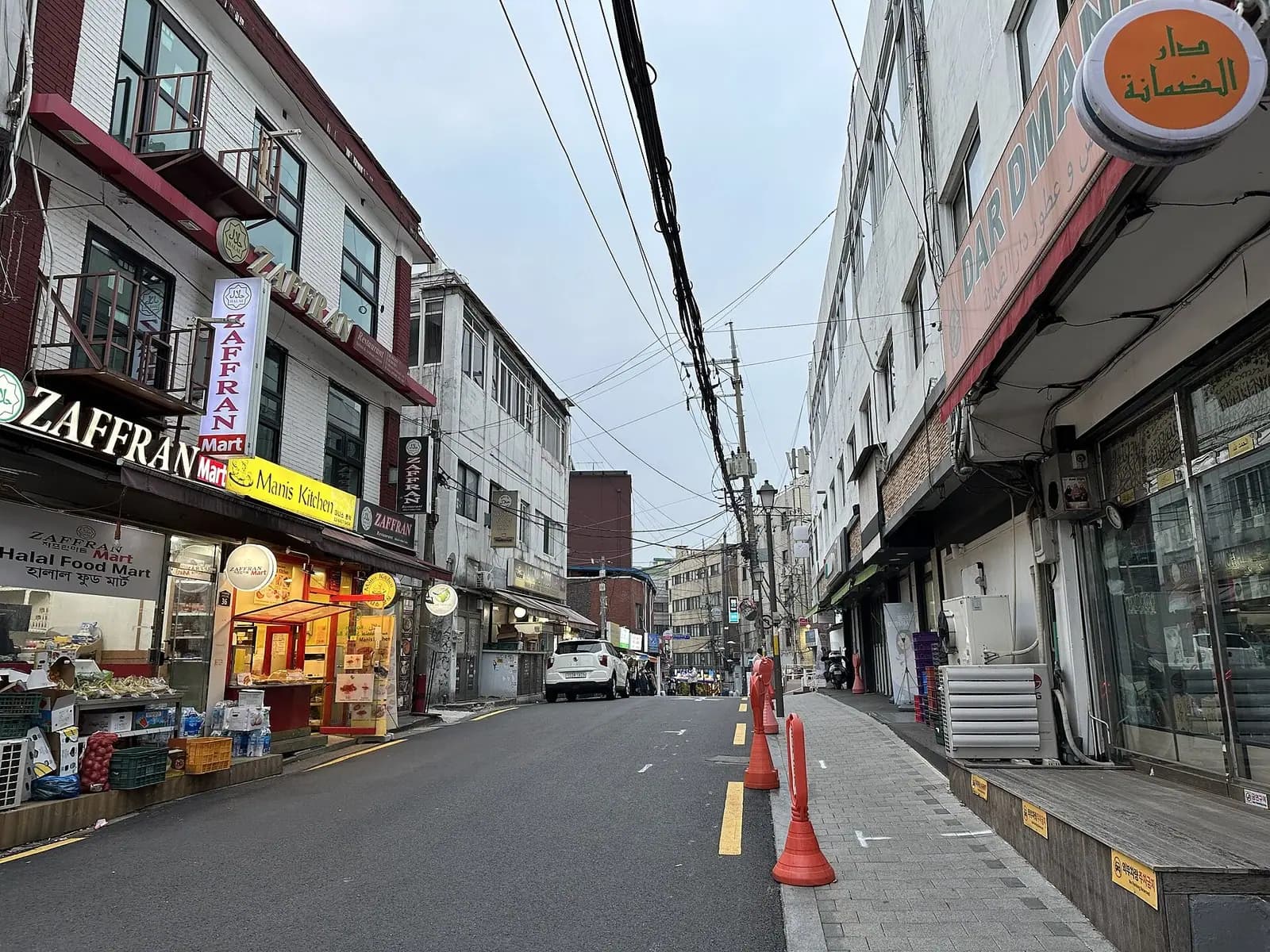
The Seoul Central Mosque in Hannam-dong, Itaewon, is the main mosque in the city and the reference point for Muslim life in Korea. It is on a hill a short walk uphill from Itaewon Station on subway line 6, holds Friday prayers, and the street leading up to it has halal restaurants, butchers and grocery shops serving the surrounding community. It is the single most useful address for a Muslim visitor to Seoul.
A little more detail
Outside that, prayer facilities are available but not standard. Incheon Airport has prayer rooms in both terminals, and some large shopping complexes, universities with international student populations, and a number of hotels provide a prayer space or will make a room available on request. Ask at a hotel front desk directly rather than assuming; the answer is more often yes than the website suggests.
There are additional mosques and prayer rooms, known as musalla, in other Korean cities and in a few Seoul locations run by community organizations. Their opening arrangements change, so confirm through the Korea Muslim Federation or the local community rather than an old listing.
How does halal certification work in Korea?
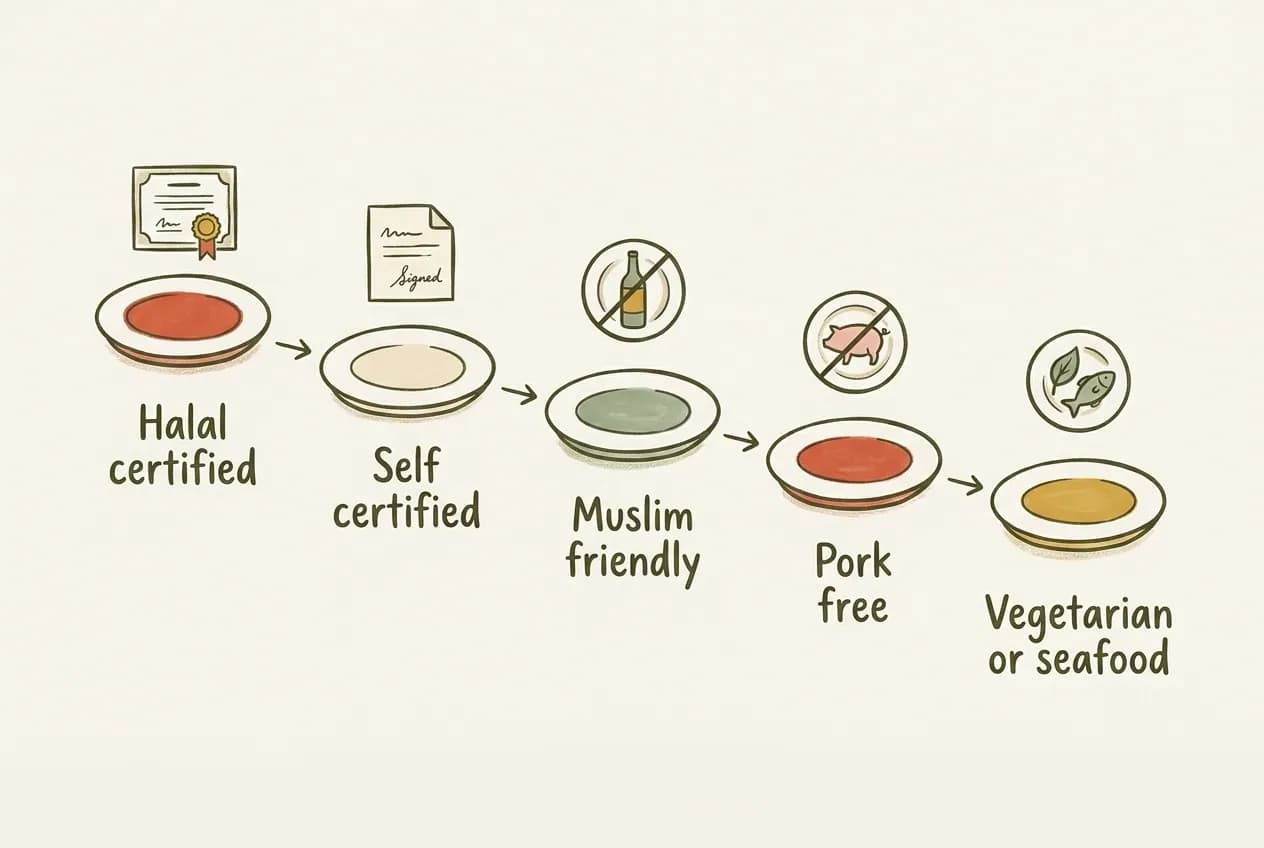
The Korea Muslim Federation is the recognized body that issues halal certification in Korea, and a KMF certificate displayed in a restaurant window is the strongest signal you will get. Korean tourism organizations additionally use a tiered classification that distinguishes fully certified restaurants from self-certified ones, from places that serve no pork but are not certified, and from vegetarian or seafood-only options.
| Category | What it means | Where you find it |
|---|---|---|
| Halal certified | Audited and certified, commonly by the Korea Muslim Federation | Mostly Itaewon and a small number of restaurants elsewhere |
| Self certified | The owner declares halal without third-party audit | Scattered across the city, often family-run |
| Muslim friendly | No pork, usually no alcohol, meat not certified | Increasingly common near tourist districts |
| Pork free | No pork on the menu, everything else unverified | Some chains and Korean restaurants |
| Vegetarian or seafood | Avoids the meat question entirely | Temple food, vegan cafes, seafood restaurants |
A little more detail
Understand the difference before you eat. Self-certified means the owner states the food is halal without third-party audit, which many Muslim travelers accept and many do not. Muslim-friendly usually means no pork and no alcohol served, without any claim about the meat supply chain. Neither is the same as certified, and the category is normally displayed on the tourism listings rather than on the door.
For that reason, avoid trusting a restaurant because a blog called it halal. Check the current certification list from the Korea Muslim Federation or the Korea Tourism Organization, both of which maintain up-to-date directories, and look for the certificate on the wall when you arrive.
What is hard about eating halal in Korean food?
Pork is everywhere and it hides. Korean cooking uses pork stock and pork fat widely, so a dish with no visible meat may still be built on it, and the same applies to broths in noodle shops. Kimchi is the second issue: most commercial and restaurant kimchi contains jeotgal, salted fermented seafood, usually shrimp or anchovy, which is a problem for some diets and not others but should at least be known.
- Base yourself near Itaewon for at least one day if halal food matters daily.
- Carry the Korea Muslim Federation certified list on your phone; do not rely on a blog post.
- Ask about broth specifically. A vegetable-looking dish is often built on a meat or anchovy stock.
- Ask whether the kimchi contains jeotgal if that matters to you; most restaurant kimchi does.
- Learn dwaejigogi ppaego juseyo, meaning please leave out the pork, and sul an deureogan geo, meaning without alcohol.
- Incheon Airport has prayer rooms in both terminals; check the location before you land.
A little more detail
Alcohol is the third. Cooking wine and soju appear in marinades and sauces in ordinary Korean restaurants, often without mention, and alcohol is served in most restaurants including family ones. Fermented condiments such as soy sauce contain trace alcohol from the process, a question on which opinions differ.
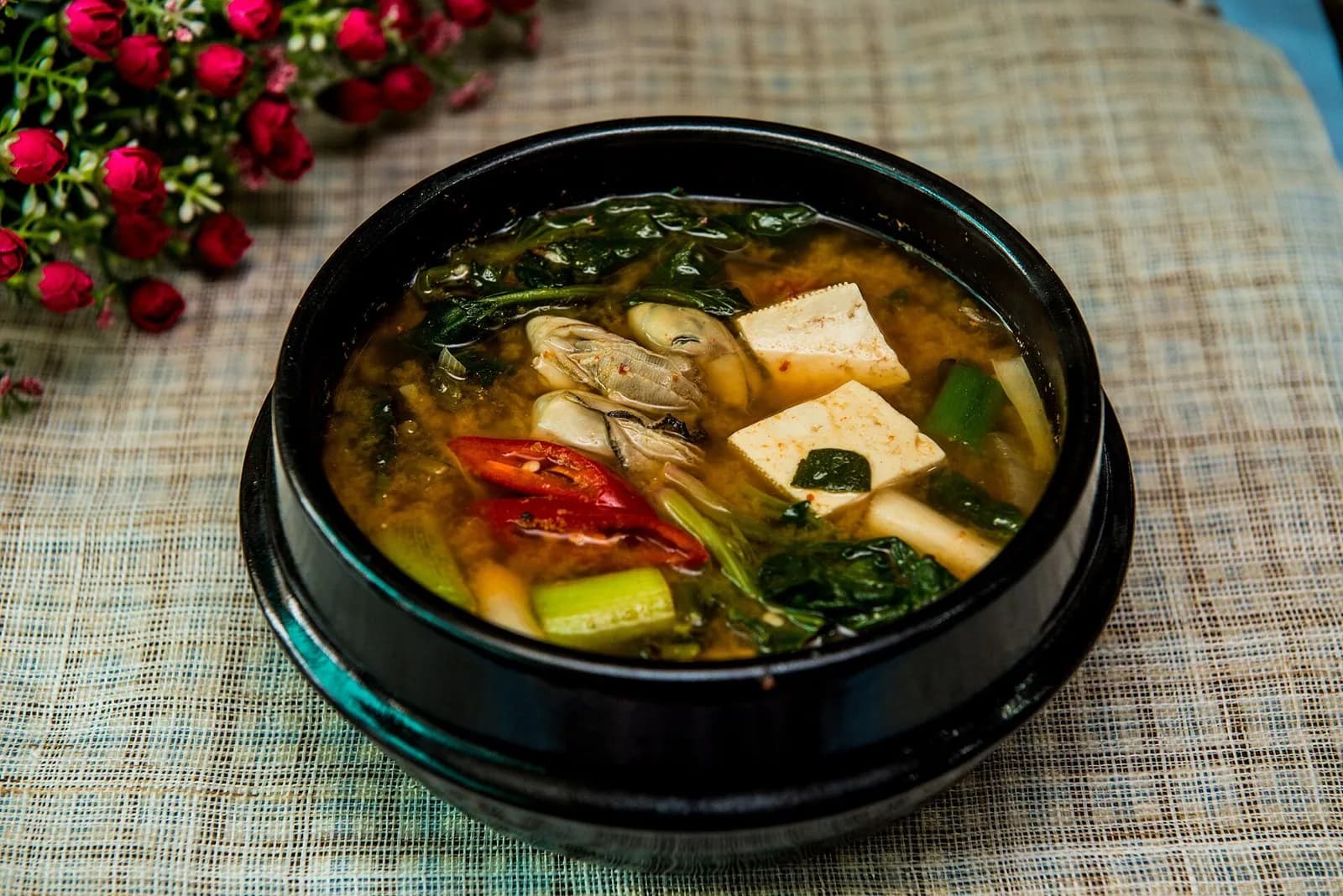
The workable approach is to eat certified where you can, choose seafood and vegetable dishes elsewhere, and ask specific questions rather than general ones. Dwaejigogi isseoyo means does this contain pork, and doenjang or gochujang based vegetable dishes are more often safe than meat ones. Korean temple food, sachal eumsik, avoids all meat entirely and is a genuinely good meal rather than a compromise.
How does a local help with this?
By reading the room and the menu. The practical obstacle is not that Seoul lacks options, it is that verifying them in the moment requires Korean and confidence: asking a restaurant what the stock is made from, checking whether a sauce has cooking wine in it, or phoning ahead. A Korean speaker sitting next to you turns a 20-minute uncertainty into a 30-second question.
A little more detail
A local also knows the things that are true this month. Certified restaurants in Seoul open and close at a fair rate, and Muslim-friendly listings go stale. Somebody who lives here can tell you what is still there, which branch is the certified one, and where the nearest prayer space is in the district you are actually in.
On localseoul you can say this in your request. Note that you need halal or Muslim-friendly food and, if it matters, that you want to be near Itaewon or need a prayer break during the meeting. Locals see the request on a board and one who is comfortable with it proposes a time and a public place. It is free during early access, it is a social meetup rather than a guided tour, and each person pays for their own food.
Is Seoul comfortable for visibly Muslim travelers?
Generally yes, with the usual caveat that Korea is an ethnically homogeneous society where visible difference draws curiosity more than hostility. Hijab is uncommon outside Itaewon and a few university areas, so expect looks rather than comment. Reported incidents of open hostility are rare, and Korean tourism bodies have actively courted Muslim travelers with prayer rooms and restaurant classification schemes for years.
A little more detail
Practical friction is more likely to be structural. Restaurants may not understand the request, alcohol is central to a lot of Korean social hospitality, and communal drinking is a common way colleagues and new acquaintances bond, so declining politely is a skill worth having. Saying jeoneun sureul an masyeoyo, I do not drink, is understood and generally accepted without argument if you say it early.
During Ramadan, the Seoul Central Mosque and the surrounding community organize iftar, and the Itaewon restaurants adjust their hours. If you are visiting then, the mosque is the place to ask.
Good questions.
Where is the main mosque in Seoul?
The Seoul Central Mosque is in Hannam-dong, Itaewon, a short uphill walk from Itaewon Station on subway line 6. It holds Friday prayers, and the street leading up to it has halal restaurants, butchers and grocery shops serving the local Muslim community.
Who certifies halal food in Korea?
The Korea Muslim Federation operates the recognized halal certification scheme in Korea. Korean tourism bodies also publish a tiered list separating certified restaurants from self-certified, Muslim-friendly, pork-free and vegetarian options, which are not the same thing.
Is Korean kimchi halal?
Most restaurant and commercial kimchi contains jeotgal, salted fermented seafood such as shrimp or anchovy, and is not vegetarian. Whether that is acceptable depends on your own practice, but you should ask rather than assume, since it is rarely stated on a menu.
Are there prayer rooms in Seoul?
Not as standard, but they exist. Incheon Airport has prayer rooms in both terminals, and some malls, universities and hotels provide a space or will arrange a room on request. Ask directly at a front desk; the answer is more often yes than published information suggests.
Can a localseoul local help me find halal food?
They can help you ask the questions you cannot ask in Korean and tell you what is currently open, which is the real obstacle. Say in your request that you need halal or Muslim-friendly food. The meetup is a free social one in a public place, not a guided tour.
Sources & useful links
Plans and opening hours can change. Check the venue or official source before you go. How we put these guides together · Suggest a correction
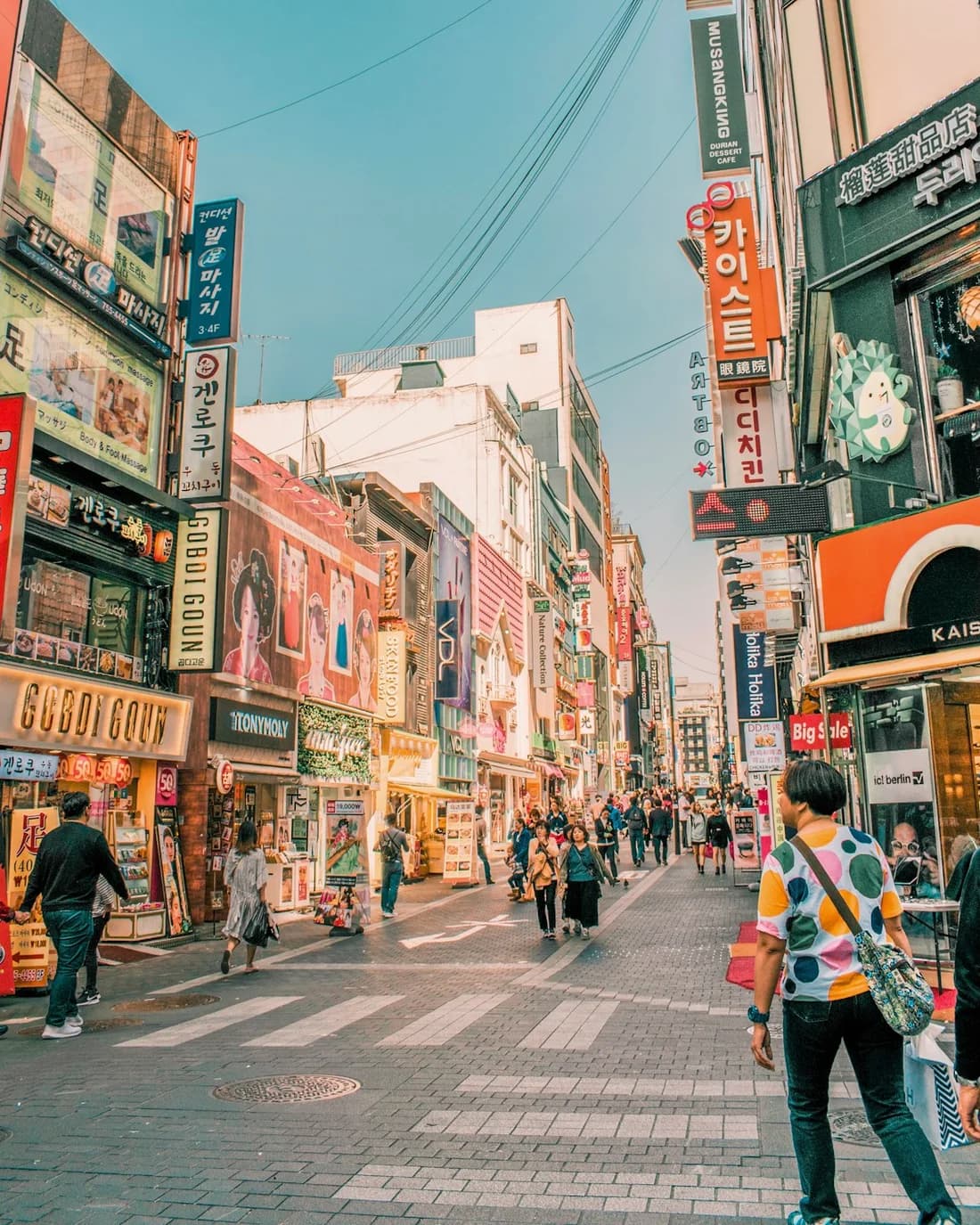
Get a feel for the neighborhood.
Keep exploring.
All guides ↗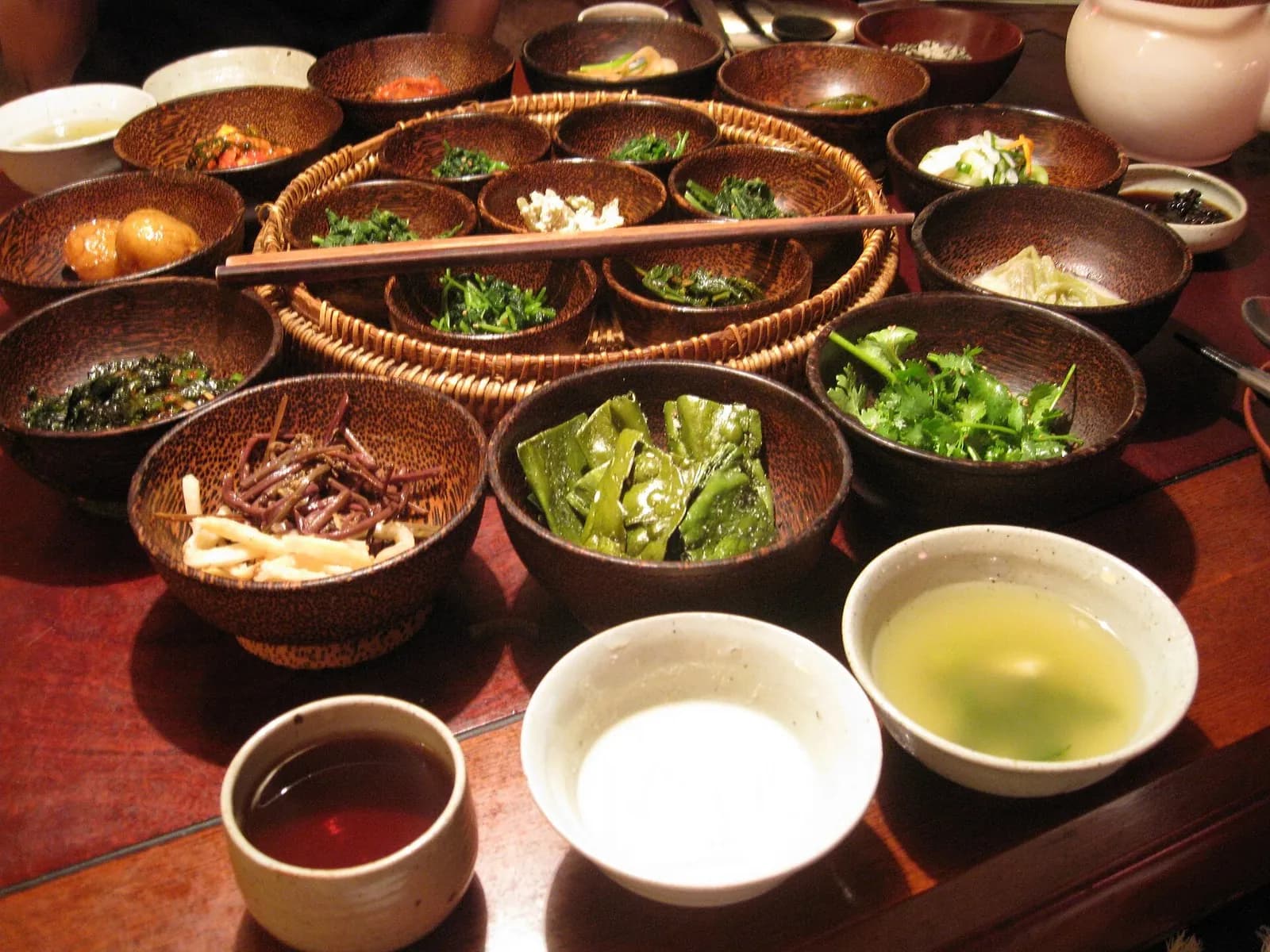 Your kind of trip
Plant-based, with fewer surprises
Ask about broth, sauces and shared kitchens.
 Make friends
Who gets the coffee?
Agree on the bill without the awkwardness.
 Everyday know-how
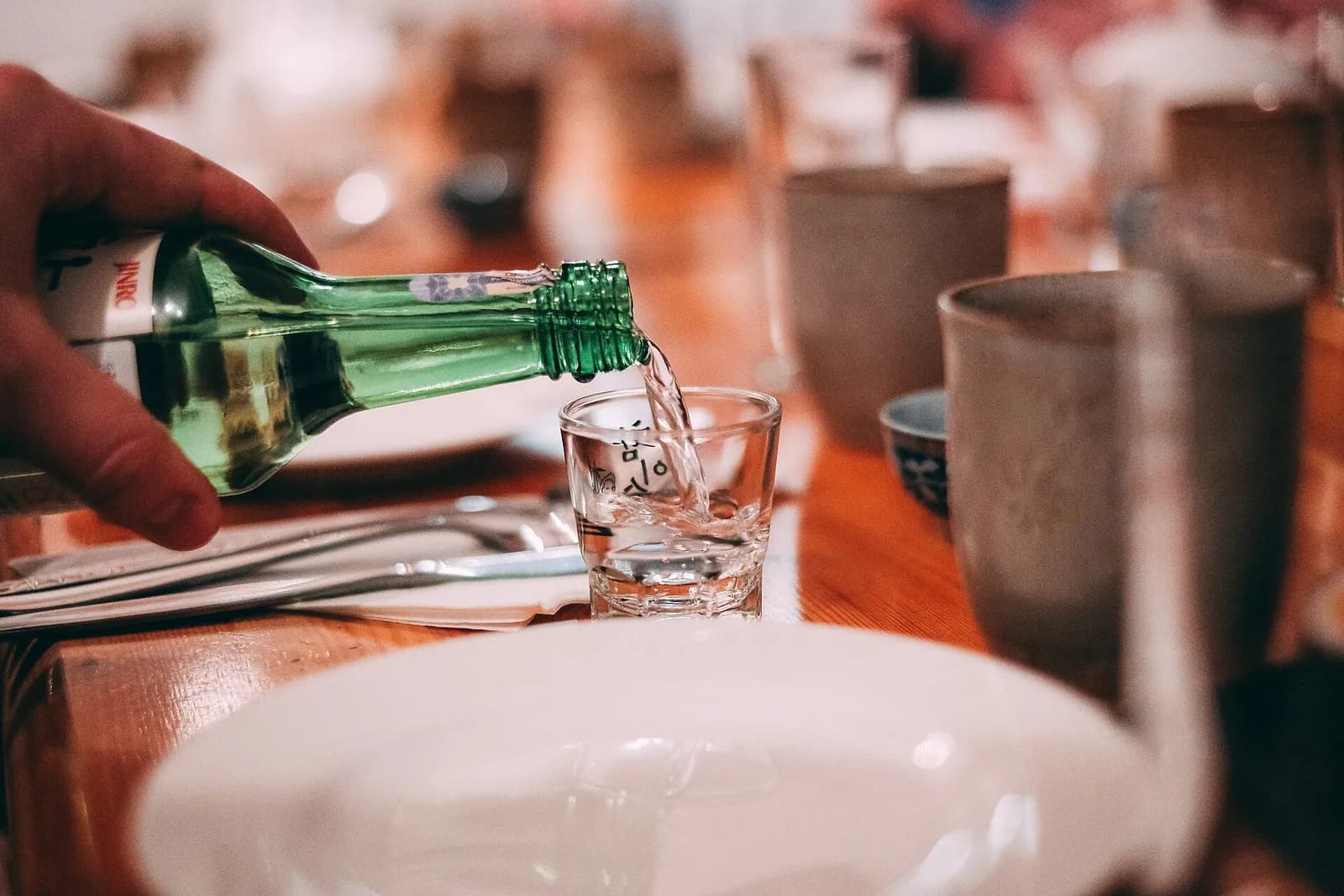
Drinks, on your terms
You can always choose something else.