Seoul in December to February with a local
Make a winter day comfortable.
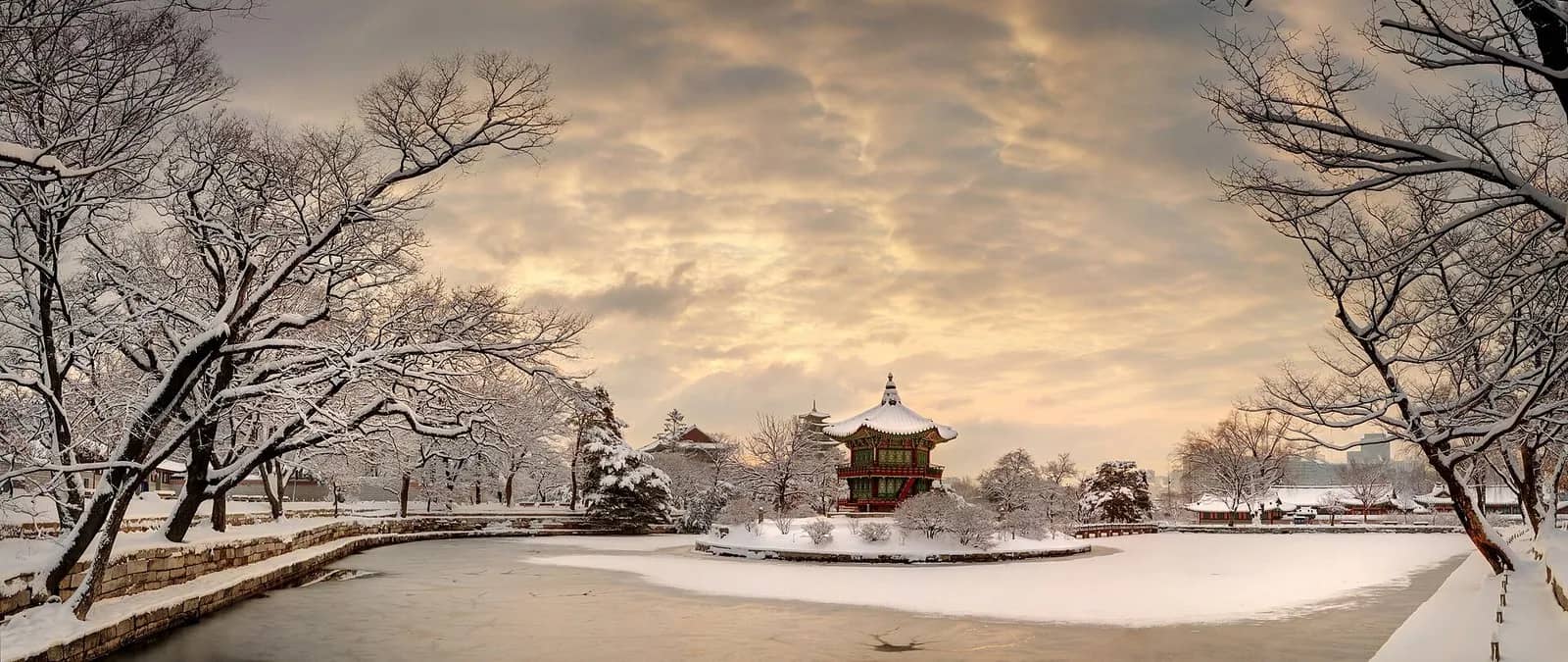
Here’s what to know.
Seoul winters are cold, dry and windy, with temperatures regularly below freezing in January, but the city is built around indoor life: heated floors, underground shopping arcades, cafe buildings and markets with hot food. Winter is the season when meeting a local over a long meal or a cafe afternoon beats any outdoor plan.
Before you go
- Decide what matters most for your day.
- Check current hours, weather and transport.
- Leave a buffer between plans.
How cold does Seoul actually get?
Cold enough that a light jacket is not a plan. Seoul sits at a latitude with a continental winter: December is cold, January is the coldest month with sub-zero daytime temperatures common, and February eases slowly. The air is dry rather than damp, and the wind is the part visitors underestimate, because it makes open spaces like palace courtyards and the Han River banks feel far colder than the reading.
A little more detail
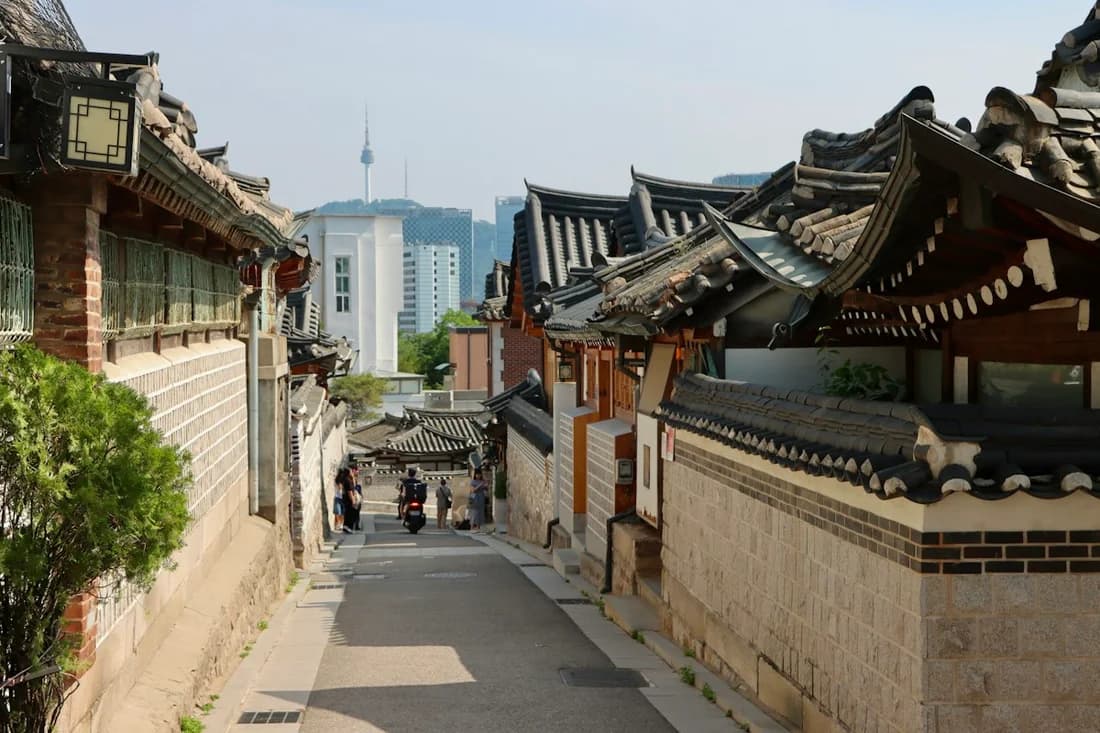
Snow falls in Seoul most winters but does not usually stay on the ground in the city for long. When it does, the palace grounds and Bukchon under snow are the best thing the city offers all year, and every Seoul resident goes out to photograph it, so you will not be alone.
There is also a recurring pattern locals call sam-han-sa-on, roughly three cold days followed by four milder ones. It is folklore more than meteorology now, but it captures how winter here comes in waves rather than as one steady freeze.
What do you wear for a Seoul winter?
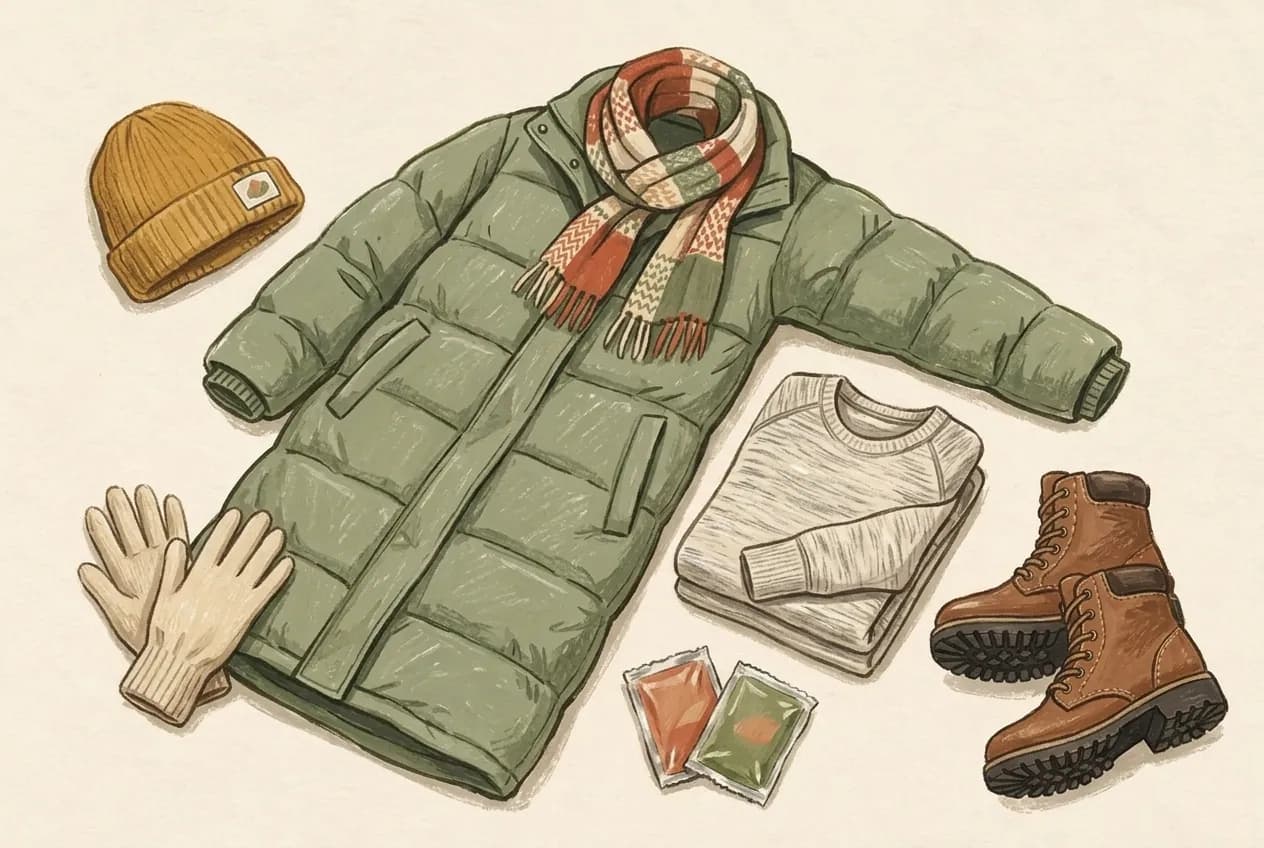
Wind protection first, bulk second. A long padded coat is what most Seoul residents wear, and there is a reason: it blocks wind and covers the parts that get cold when you wait for a bus. Add a hat, gloves and a scarf, which are the three things visitors leave at home and then buy at Myeongdong on day one.
- Long padded coat or equivalent windproof outer layer.
- Hat, gloves and a scarf. Wind is the issue, not just temperature.
- Thermal base layers you can remove indoors.
- Shoes with grip; alleys and slopes ice over after snow.
- Hand warmers and lip balm from any convenience store. Winter air here is very dry.
- A power bank: cold drains phone batteries faster than you expect.
A little more detail
Dress so you can strip down indoors. Korean buildings are heated hard, floors included, and restaurants, subway cars and cafes are warm. Thermal base layers plus a coat works; a single thick sweater under a coat leaves you overheating for the half of the day you spend inside.
Shoes with grip matter on the days after snow, because Seoul's hills and stone-paved alleys ice over. Disposable hand warmers are sold in every convenience store for very little and are the best purchase of the trip.
What is there to do in Seoul in winter?
Winter pushes Seoul indoors and underground, which is where a lot of the city actually lives. Underground shopping arcades run for long stretches beneath Euljiro, Gangnam and Jamsil, connecting stations to malls so you can cross the center without surfacing. Department store food halls, museum complexes, bookstore cafes and multi-floor cafe buildings in Hongdae and Seongsu all exist partly because of this season.
| If it is very cold | Go here | Why it works |
|---|---|---|
| You want to stay outside | Palace grounds early, then a tea house in Seochon | Short outdoor stretch, warm indoor landing nearby |
| You want to keep walking | Underground arcades at Euljiro or Gangnam | Kilometres of covered walking between stations |
| You want one long sit | A multi-floor cafe in Seongsu or Hongdae | Korean cafes expect long stays; nobody will rush you |
| You want hot food | Gwangjang Market or a Euljiro alley | Broth, griddles and heaters, and it is the season locals go |
| You want indoor culture | National Museum of Korea, Seoul museums, bookstore cafes | Large, warm, and mostly free or inexpensive |
A little more detail
The outdoor winter things are specific and worth the cold: seasonal ice rinks that open in the city center, illuminations along streams and shopping streets through December, and the Han River when it is clear and hard-lit. Sledding hills and ski resorts within reach of Seoul run day trips, though those are a full-day commitment.
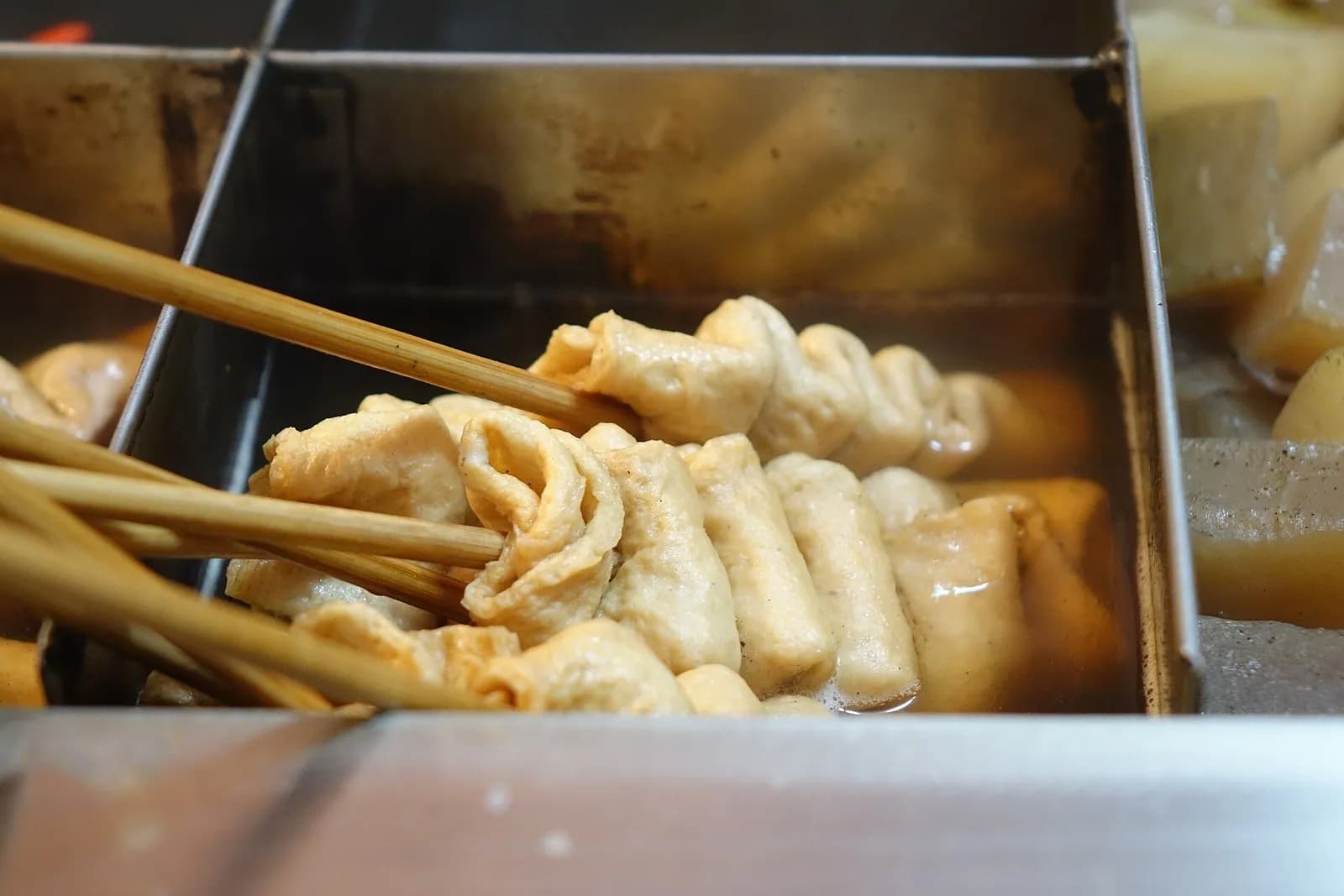
Food is the real winter attraction. This is the season for tteokbokki and eomuk broth at a market stall, hot soup dishes, grilled meat with the extractor fan over the table, and the sweet snacks that only appear when it is cold. Gwangjang Market and the Euljiro alleys are more appealing in January than in August.
Is winter a bad time to meet a local?
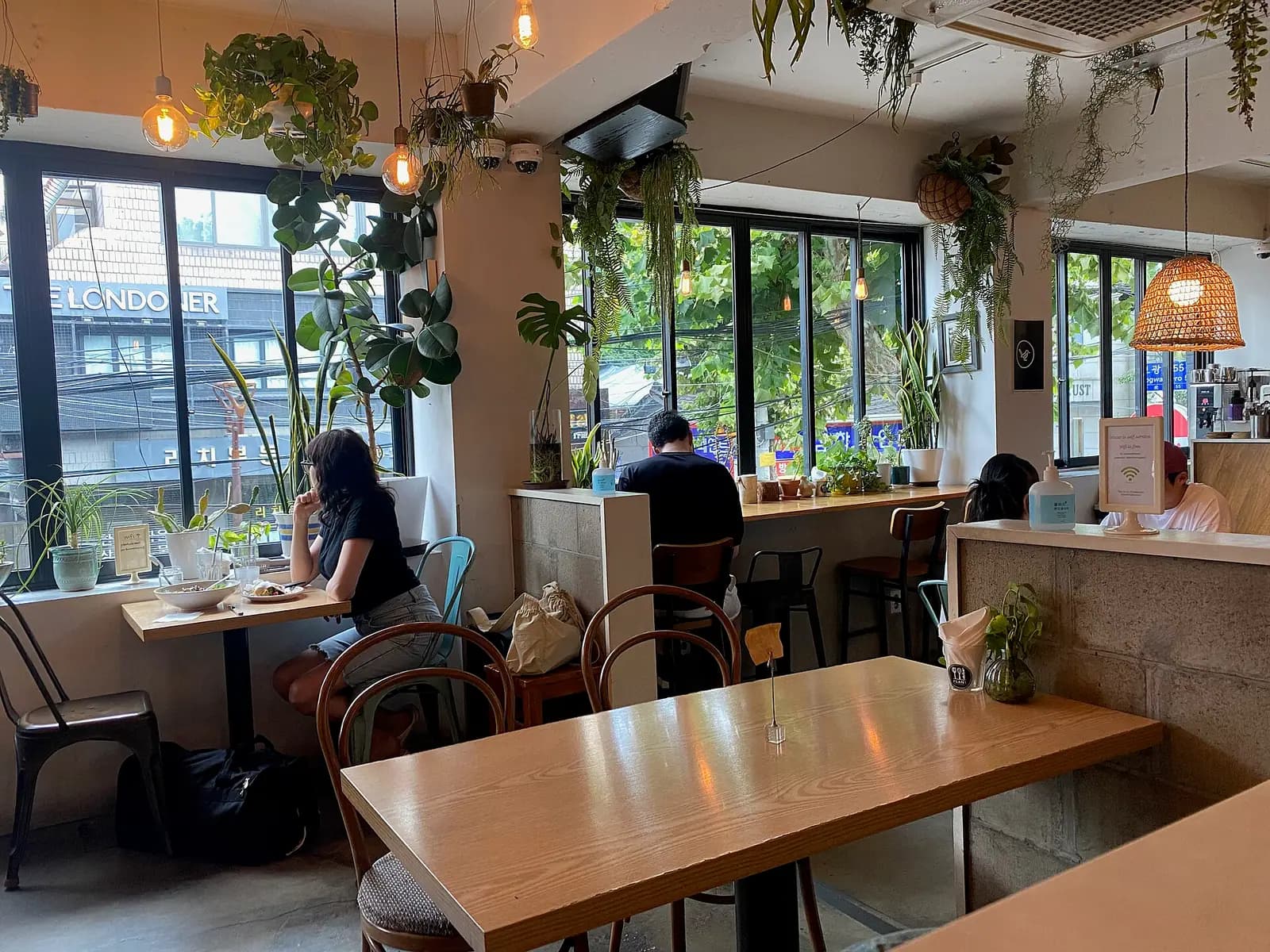
No, it is arguably the most natural time, because winter meetings default to sitting down somewhere warm and talking, which is the point. Korean cafe culture makes a two-hour coffee completely normal, and nobody will hurry you out of a table. A cold-weather meal, where you share a pot of something and the room is loud, is also the most straightforwardly Korean social setting there is.
A little more detail
Adjust the plan rather than the idea. Propose a cafe or a meal instead of a long walk, keep the meeting to one neighborhood so neither of you is crossing the city in the wind, and expect to start later in the day because winter mornings are unpleasant for everyone.
The mechanics are the same year round. On localseoul you send one free request with your dates and neighborhoods, ID-verified Seoul residents see it on a board, and one who likes it proposes a time and a public place. Winter is also the low season for inbound travel, which means locals have more time.
What about the Lunar New Year holiday?
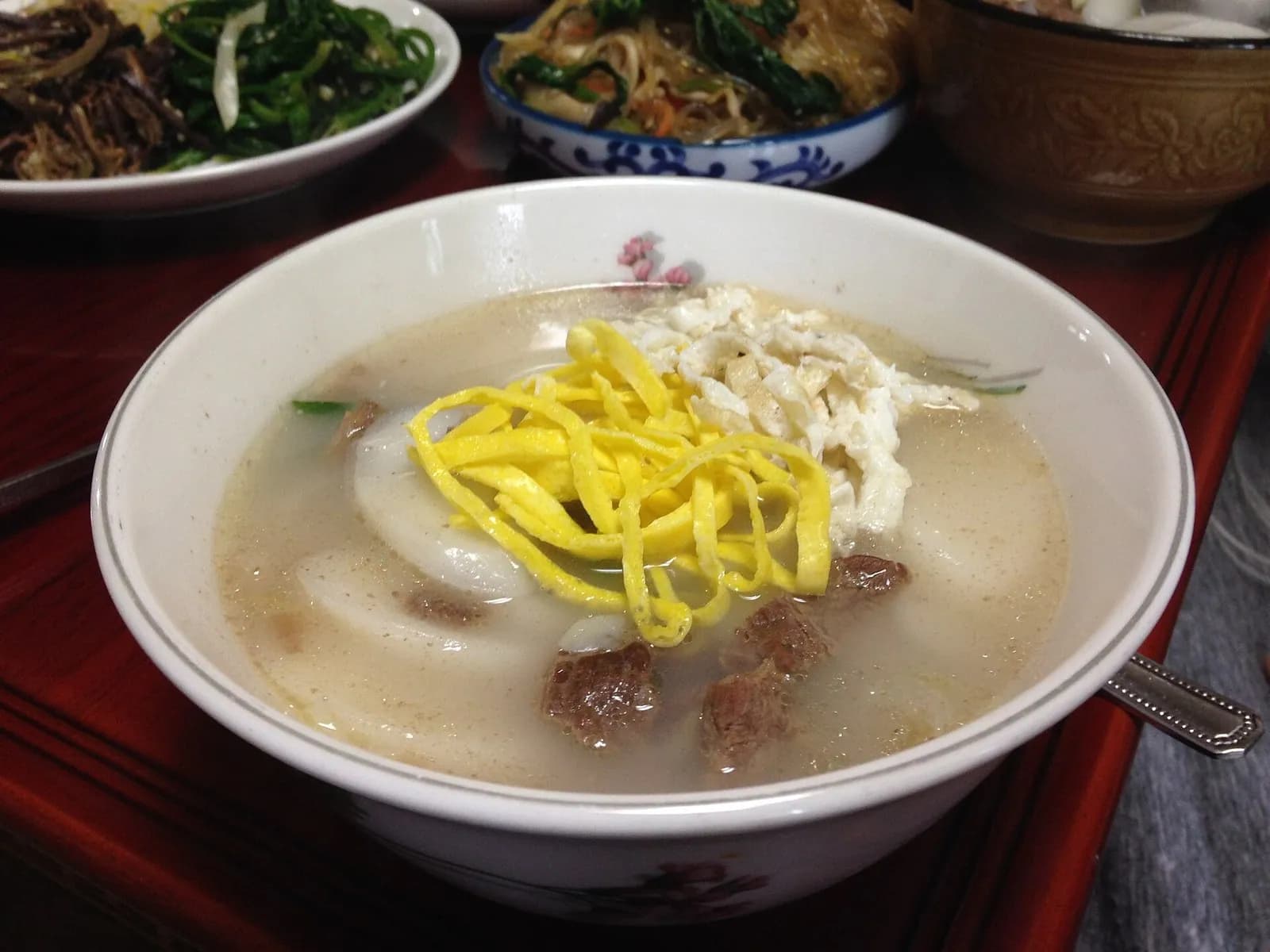
Seollal falls in late January or February depending on the lunar calendar, and it is the one stretch of winter that changes how the city works. Many small restaurants and shops close for the holiday period while families travel, intercity transport is heavily booked, and the center of Seoul becomes unusually quiet. Palaces and major museums often open, sometimes with free admission, and department stores and large chains generally stay open.
A little more detail
If your trip overlaps, check the dates for your specific year rather than assuming, and expect a two to three day core holiday with a variable run-up. It is not a reason to avoid Seoul; it is a reason to plan meals around larger places and to accept that a favorite small shop may have a handwritten note on the shutter.
Good questions.
How cold is Seoul in January?
January is the coldest month, with daytime temperatures commonly below freezing and a sharp wind that makes it feel colder. The air is dry rather than damp. Check a current forecast before packing, and plan around a windproof coat rather than a specific number.
Does it snow in Seoul?
Most winters see snow, though it usually does not stay on the ground in the city for long. When it does settle, the palaces and Bukchon are at their best, and locals go out to see them too, so expect company rather than an empty scene.
Is winter a cheaper time to visit Seoul?
Outside the Lunar New Year period, winter is a quieter inbound season and accommodation is generally easier to find than in autumn or cherry blossom weeks. Flight and hotel prices depend on your route, so treat this as a tendency rather than a rule.
What should I eat in Seoul in winter?
Hot broth dishes, grilled meat indoors, tteokbokki and eomuk from a market stall, and the sweet street snacks that only appear in cold months, including hotteok and fish-shaped red bean pastries. Markets such as Gwangjang are noticeably better in winter than in summer.
Will a local still want to meet in the cold?
Yes. Winter meetings simply default to a cafe or a meal instead of a walk, which suits Korean social habits anyway. Say in your localseoul request that you would prefer somewhere indoors, and the local will propose a public place accordingly.
Plans and opening hours can change. Check the venue or official source before you go. How we put these guides together · Suggest a correction
Get a feel for the neighborhood.
Keep exploring.
All guides ↗ Your kind of trip
Seoul in sweater weather
Walks, layers and flexible autumn plans.
 Your kind of trip
Seoul over the holidays
Check what’s open before you go.
 Everyday know-how
Let’s get coffee
Order, settle in, know the house rules.