Visiting Seoul during Chuseok or Lunar New Year
Check what’s open before you go.
Here’s what to know.
Chuseok and Seollal follow the lunar calendar, so check the dates for your year. During the core holiday many small restaurants and independent shops close while families travel, transport out of the city is fully booked, and central Seoul goes quiet. Palaces and major museums usually open, often with free admission, and large stores stay open.
Before you go
- Decide what matters most for your day.
- Check current hours, weather and transport.
- Leave a buffer between plans.
When are Chuseok and Seollal?
Both follow the lunar calendar, so their dates in the solar calendar move every year. Seollal, Lunar New Year, falls in late January or February. Chuseok, the autumn harvest holiday, falls in September or October. Each is officially a three-day holiday built around the main day, and when it lands next to a weekend the government sometimes adds a substitute holiday, which lengthens the shutdown.
A little more detail
Do not plan from a remembered date or an old article. Look up the dates for your specific travel year on a current Korean public-holiday calendar, and then look at the days either side, because the practical holiday often starts the evening before as people begin traveling.
The other fixed-date public holidays are less disruptive. Days such as Liberation Day in August or Hangeul Day in October close offices and banks but leave restaurants and shops largely normal.
What closes in Seoul during the holiday?
The pattern is that small and family-run closes, large and corporate stays open. Independent restaurants, neighborhood cafes, market stalls, small shops and clinics commonly shut for two or three days while the owners travel to family. Traditional markets thin out considerably on the main day. Signs go up a few days beforehand, usually handwritten and in Korean only.
| Category | During the core holiday | What to do instead |
|---|---|---|
| Small restaurants and cafes | Many closed for two to three days | Department store food halls, chains, hotel and station areas |
| Traditional markets | Very busy just before, quiet or closed on the day | Go in the days leading up; it is the best market week of the year |
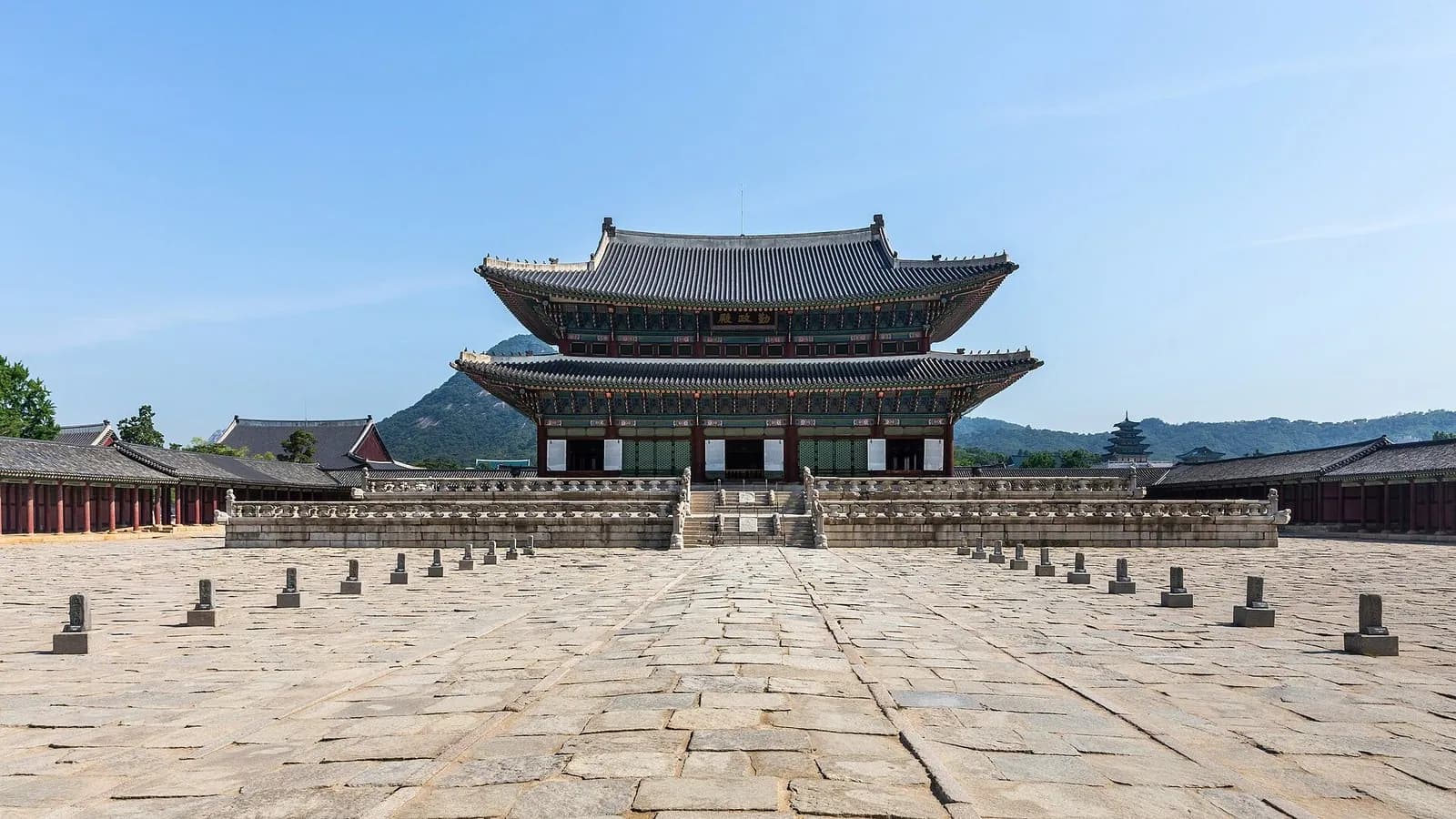
| Palaces and national museums | Usually open, often free admission and special programs | This is the single best holiday plan in the city |
| Department stores and malls | Open, though often closed on one day of the period | Check that specific store's notice |
| Subway, buses, airport transport | Running, sometimes on adjusted frequency | No change needed |
| KTX and intercity buses | Fully booked, roads congested | Stay in Seoul for the holiday days |
A little more detail
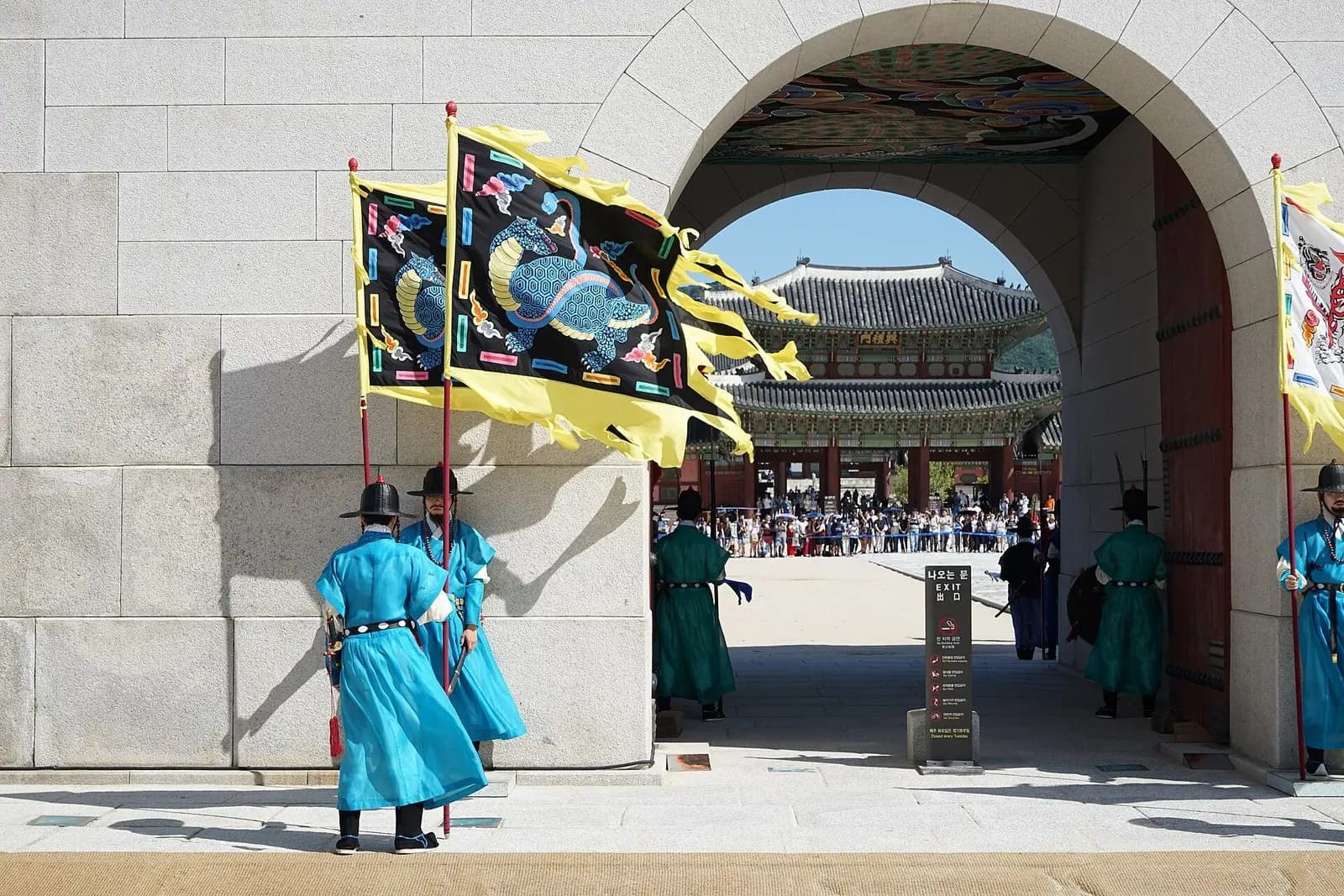
Meanwhile department stores, large chains, convenience stores, cinemas, subway and bus services, airport transport and most tourist attractions keep running, though department stores often take one day off during the holiday period. Palaces and national museums typically open through the holiday and frequently waive admission, and they run seasonal programs such as folk games and traditional performances on the grounds.
The one thing that genuinely does not work is intercity travel. KTX tickets and express bus seats for the days before and after sell out well in advance, and the highways out of Seoul run at a crawl. If your plan involves leaving Seoul during the holiday, book the moment tickets are released or do not plan it.
Is it actually a good time to visit Seoul?
It is a strange and quite rewarding time, if you accept that the city will not behave normally. Central Seoul during Chuseok or Seollal is the emptiest you will ever see it: streets that are shoulder-to-shoulder in normal weeks are walkable, palaces run cultural programming, and the ordinary weekday noise of a city of nine million drops away.
- Check the exact dates for your travel year, then treat the day before and the day after as part of the holiday.
- Book accommodation in Seoul early; book any intercity ticket the moment sales open, or skip it.
- Plan palace and museum days for the core holiday, when they are open and often free.
- Visit markets in the run-up days, not on the main day.
- Keep a fallback dinner plan in a department store food hall or a large chain.
- Expect some smaller clinics and pharmacies to be closed; note the nearest emergency room before the holiday starts.
A little more detail
The trade-off is food and spontaneity. The restaurant you saved may be shut, the alley you wanted to wander may be shuttered, and the market may be half empty. If your trip is short and food-driven, a holiday week is the wrong week. If you have a week or more and the holiday is only part of it, the quiet days are a genuine bonus.
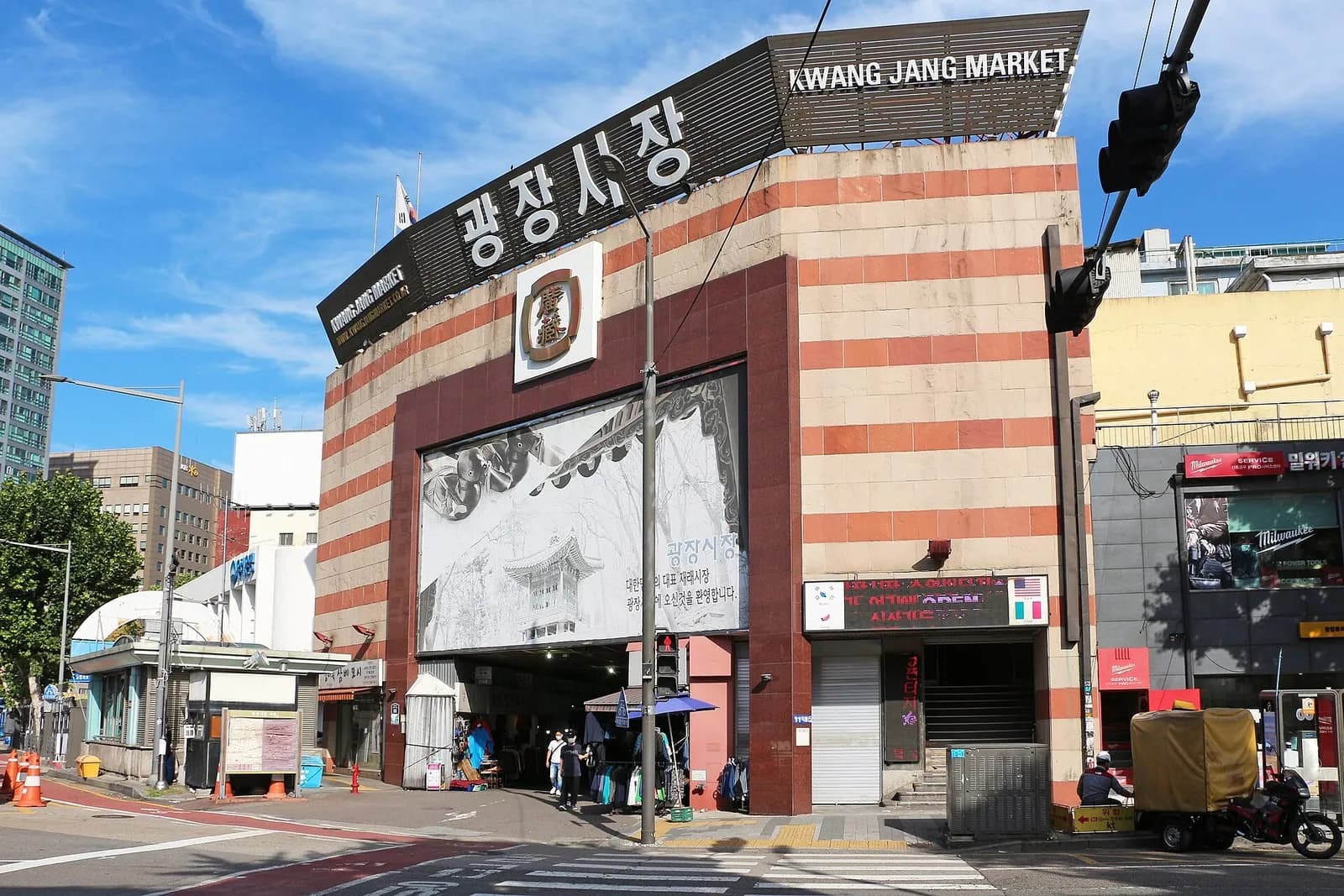
The week before either holiday is the opposite: markets at their loudest and fullest, with holiday food and gift sets everywhere. Gwangjang and the older markets in the days before Chuseok are one of the better things to see in Seoul all year.
What do Koreans actually do during Chuseok and Seollal?
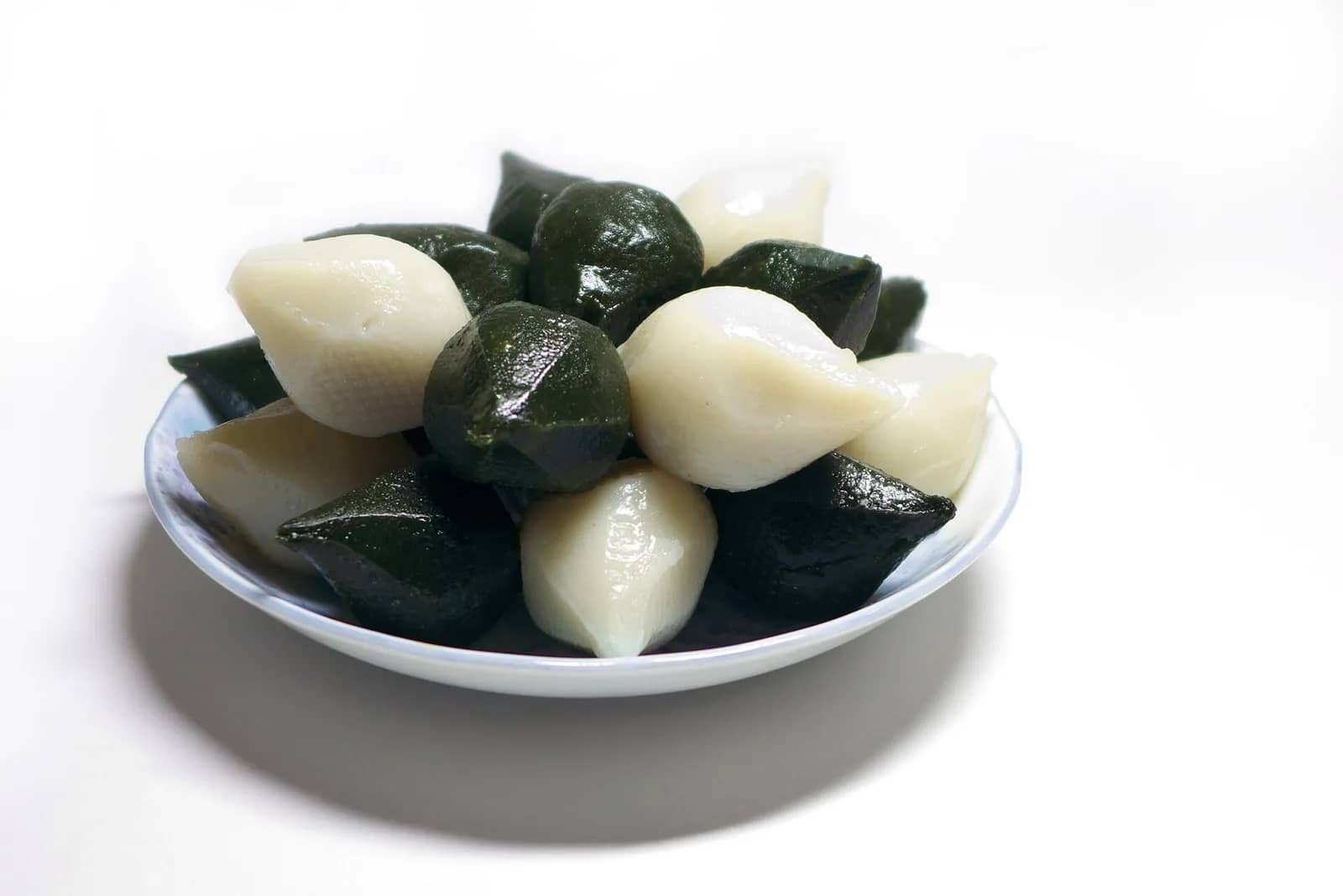
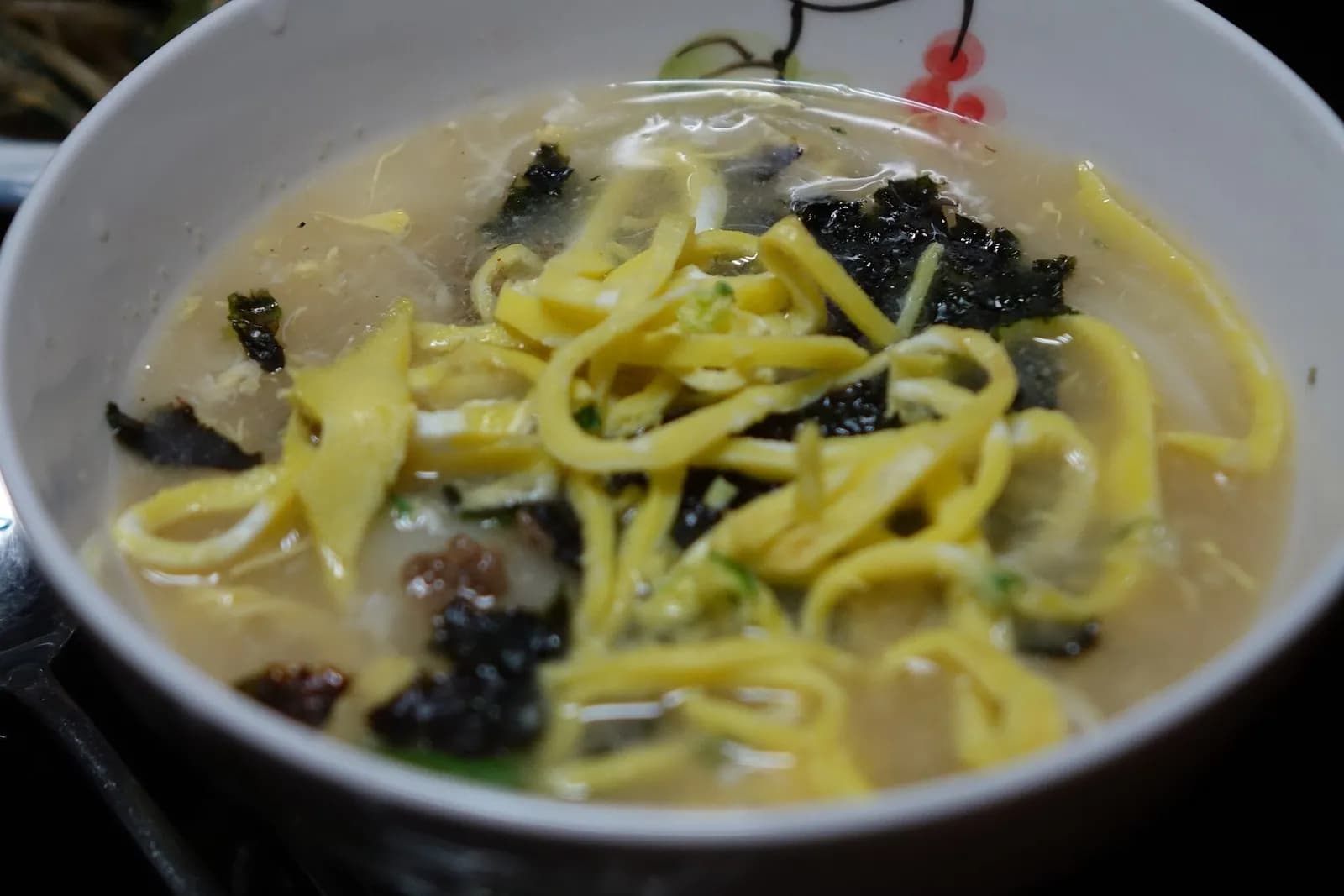
They travel to family, which is why the city empties. The holidays center on ancestral rites and a large family meal: songpyeon, small filled rice cakes, at Chuseok, and tteokguk, sliced rice cake soup, at Seollal, where eating a bowl is traditionally connected to turning a year older. Extended families gather at the eldest household, often outside Seoul.
A little more detail
This is changing. Younger Koreans increasingly treat the holiday as time off rather than obligation, travel abroad during it, or simplify the rites substantially, and the pressure of holiday family gatherings is a well-worn topic in Korean media. If you ask a Seoul local about the holiday you will get a more complicated answer than the tourist-board version, which is exactly the kind of conversation worth having.
For a visitor, the visible parts are the traditional games and performances at the palaces and folk villages, hanbok on the palace grounds, and the specific foods appearing in bakeries and markets in the run-up.
Can you meet a local during the holiday?
Sometimes, but expect fewer people available and plan around it. Many Seoul residents are with family or out of the city for the core days, so a request that lands squarely on the holiday has a smaller pool than usual. The days on either side are much better, and plenty of younger residents stay in Seoul throughout.
A little more detail
Send the request well ahead rather than on arrival. On localseoul, requests go to a board that ID-verified locals see, most requests hear back within 48 hours, and a specific named local has 72 hours to reply; during a holiday week, give it more runway than that. Say in your message that you know it is a holiday and that you are flexible about the day, which makes it far easier for someone to say yes.
Good questions.
What dates are Chuseok and Seollal?
They move every year because both follow the lunar calendar. Chuseok falls in September or October and Seollal in late January or February, each as a three-day holiday with occasional substitute days added. Check a current Korean public-holiday calendar for your travel year.
Is everything closed in Seoul during Chuseok?
No. Small independent restaurants, cafes and shops commonly close for two to three days, but convenience stores, large chains, department stores, cinemas and public transport keep running, and palaces and national museums usually open, often with free admission.
Should I avoid visiting Seoul during a holiday?
Only if your trip is short and food-led. The city is unusually quiet and the palaces are at their best, but spontaneous eating gets harder and intercity travel is effectively impossible. A longer trip that overlaps the holiday for a couple of days works well.
Can I still take the KTX during the holiday?
In principle yes, in practice tickets for the days around the holiday sell out far in advance and roads are heavily congested. If a day trip outside Seoul matters to you, schedule it outside the holiday window rather than gambling on a seat.
Will locals be available to meet during the holiday?
Fewer than usual on the core days, since many people travel to family, but the days before and after are close to normal. Send your localseoul request early, mention that you are flexible on the day, and expect a slower response than the usual 48 hours.
Plans and opening hours can change. Check the venue or official source before you go. How we put these guides together · Suggest a correction
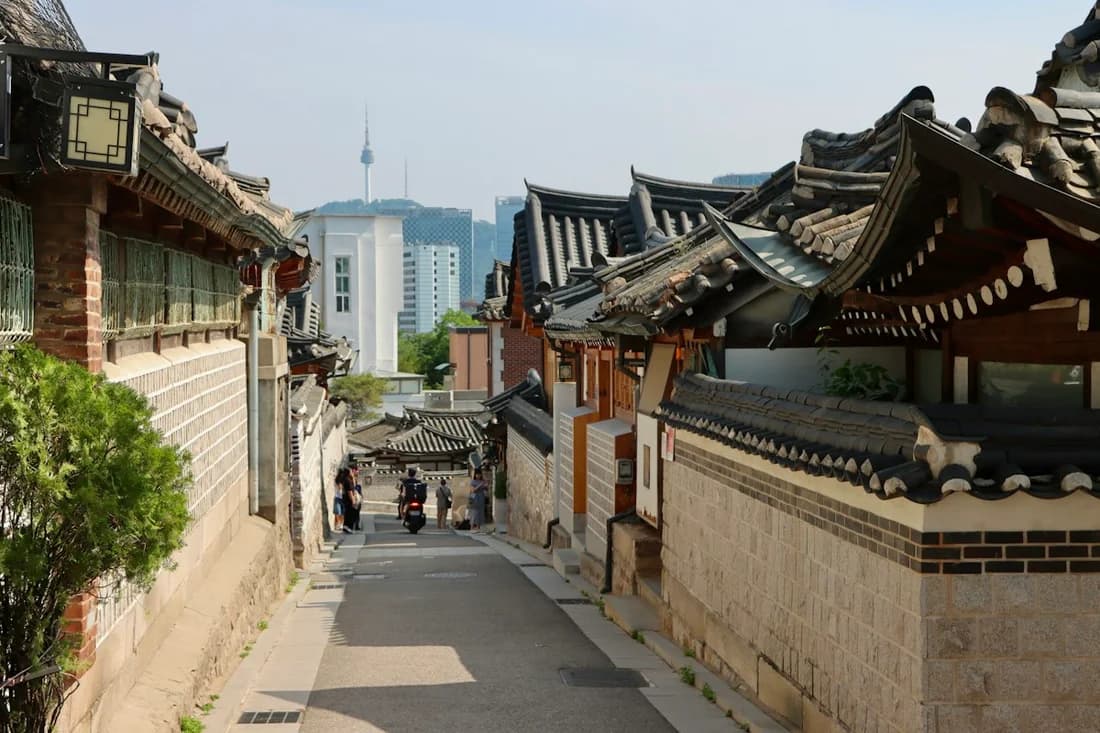
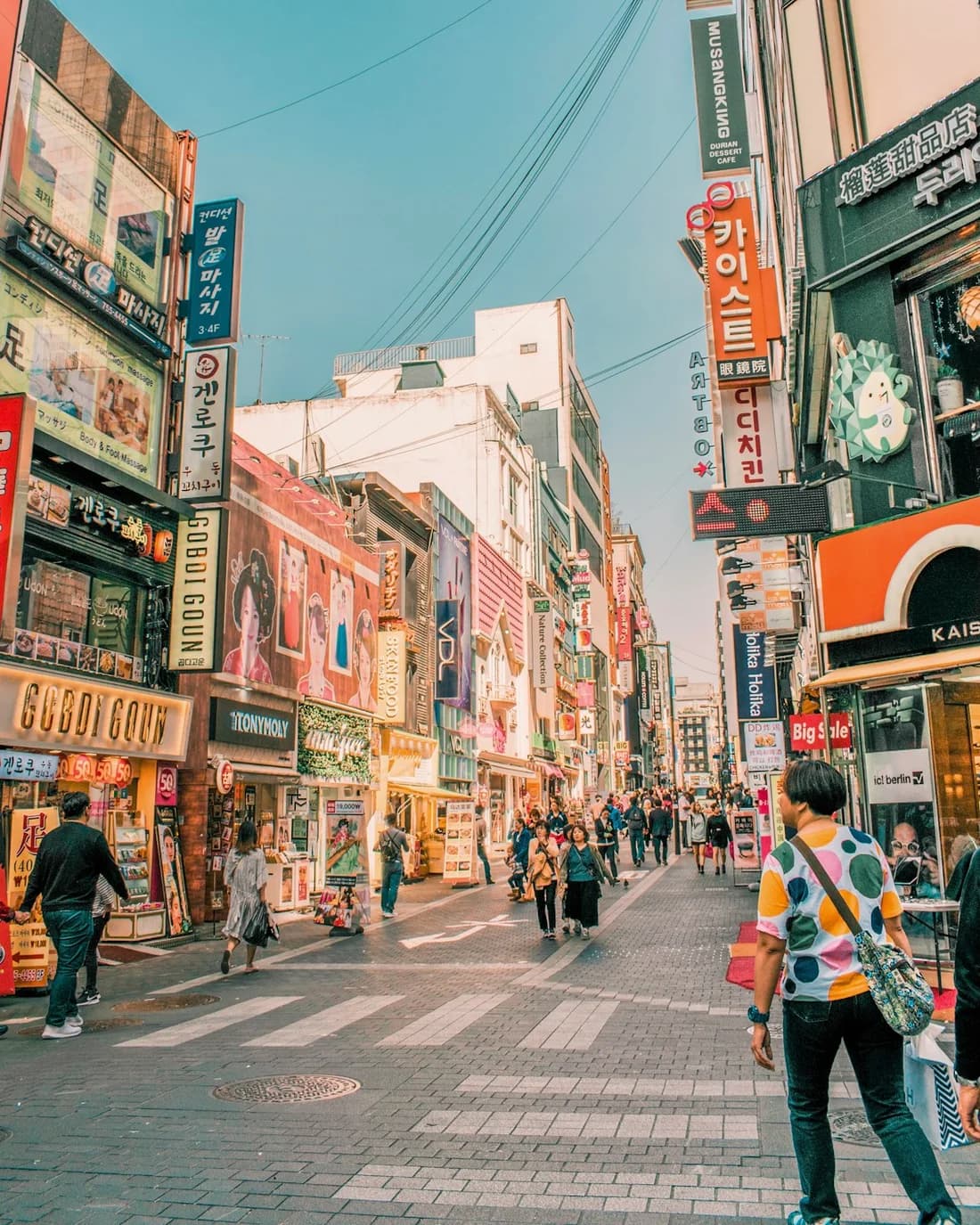
Get a feel for the neighborhood.
Keep exploring.
All guides ↗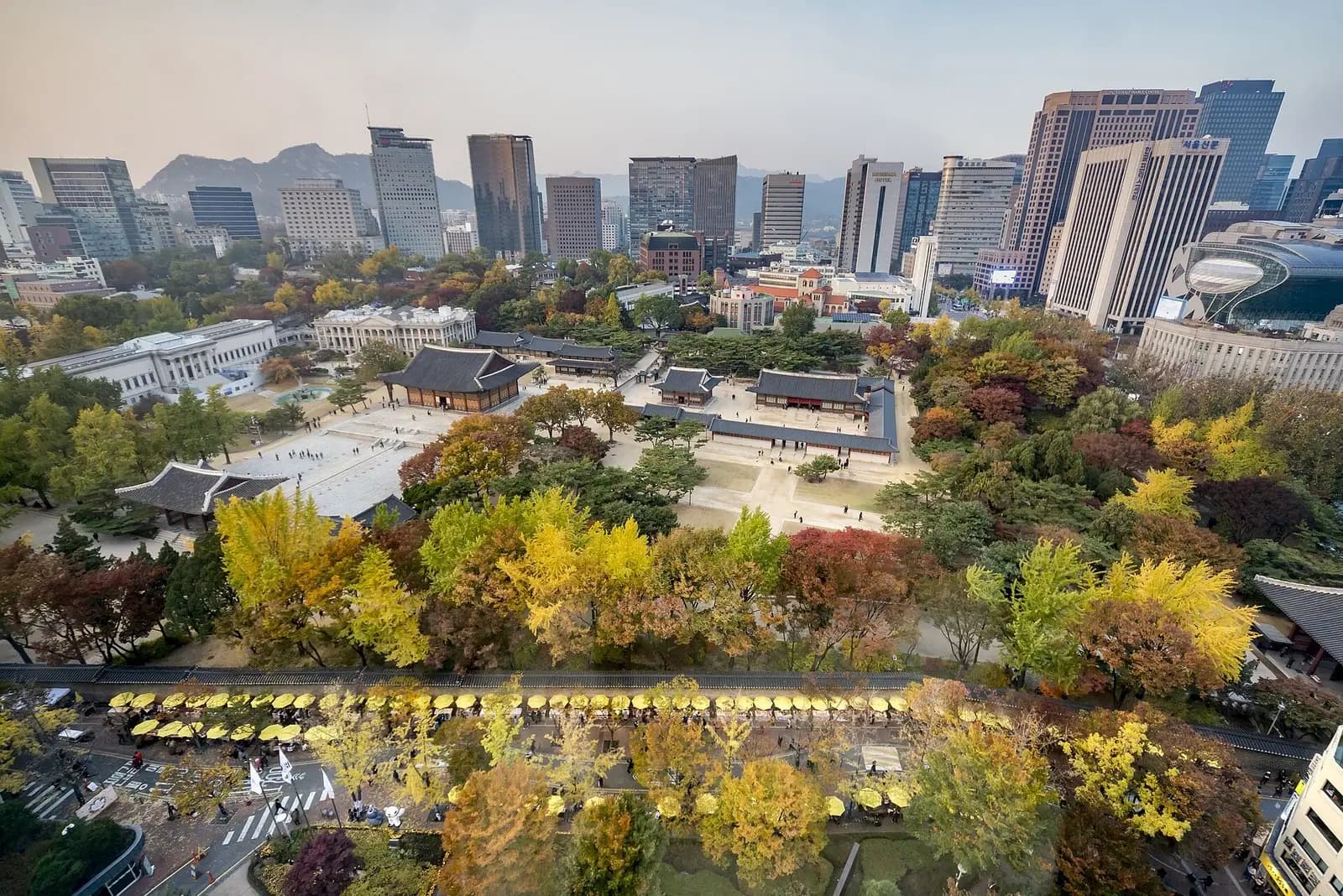 Your kind of trip
Seoul in sweater weather
Walks, layers and flexible autumn plans.
 Your kind of trip
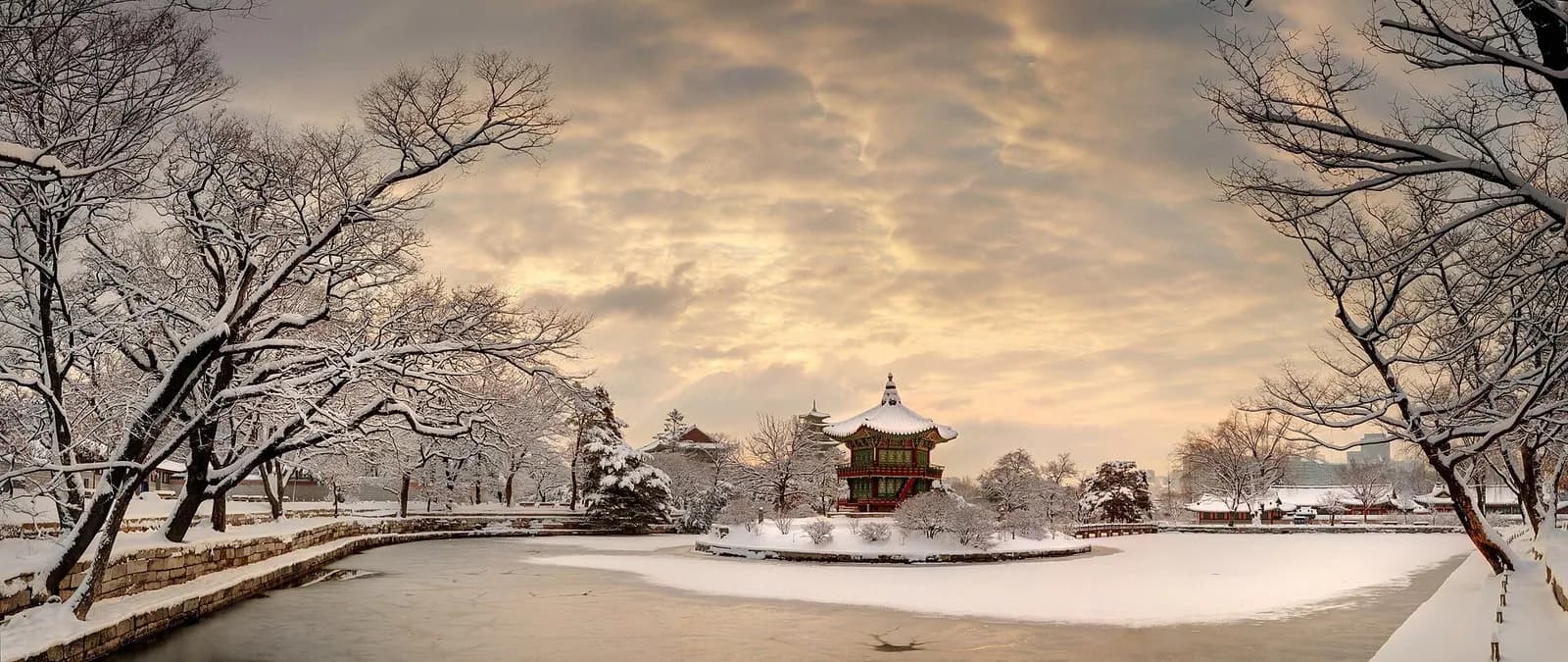
Cold days, warm cafe stops
Make a winter day comfortable.
 Your kind of trip
Your first three days in Seoul
Pick a neighborhood. Leave room to wander.