Seoul in October and November with a local
Walks, layers and flexible autumn plans.
Here’s what to know.
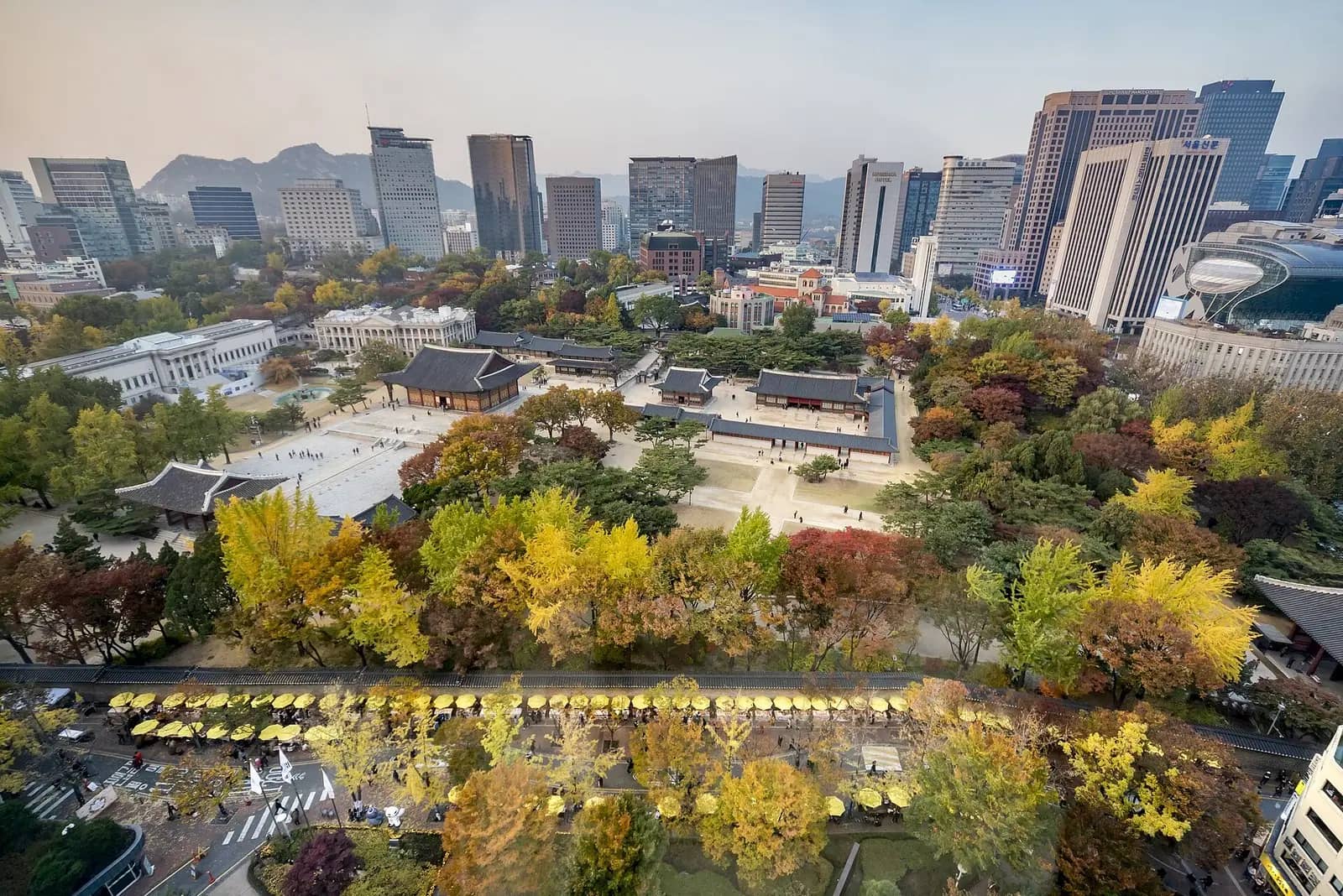
October and November are the most comfortable months to be outdoors in Seoul: air is dry and clear, days are mild and evenings are cool, and foliage moves down from the mountains through the palace grounds into the city. It is walking season, festival season, and the easiest time of year to spend three hours outside with someone you just met.
Before you go
- Decide what matters most for your day.
- Check current hours, weather and transport.
- Leave a buffer between plans.
What is the weather actually like in Seoul in autumn?
Autumn in Seoul is dry, clear and progressively cooler. October is generally mild and pleasant in the daytime with noticeably cool evenings, and November turns cold by the end of the month, with the first real hints of winter arriving before December. Rain is far less frequent than in the summer monsoon period, which is why this is the season Koreans schedule outdoor events into.
A little more detail
Dress in layers rather than for one temperature. The gap between a sunny early afternoon and a windy evening by the Han River is large enough to ruin a day if you only brought a t-shirt, and the wind along the river and on the palace courtyards makes it feel colder than the number suggests.
Check air quality alongside the forecast. Fine dust is more often an issue in spring than autumn, but hazy days happen, and Korean weather apps and portals show the reading next to the temperature.
Where does autumn foliage actually happen in Seoul?
Foliage arrives on the mountains first and reaches the city center last, usually across late October into the middle of November, with the exact peak shifting each year. That means a trip in early November can be too early on the ridges and just right in the palace grounds, or the reverse; locals track it week by week rather than by date.
- Go on a weekday if you can. Autumn weekends on the mountain trails and at Seoul Forest are genuinely crowded.
- Start early for anything on a mountain, and carry water; there are fewer shops than you expect on the trails.
- Bring a windproof layer for evenings by the Han River.
- Check festival dates close to your trip; autumn events in Seoul are annual but their exact dates move.
- Book accommodation early for late October and early November, the busiest inbound stretch of the season.
A little more detail
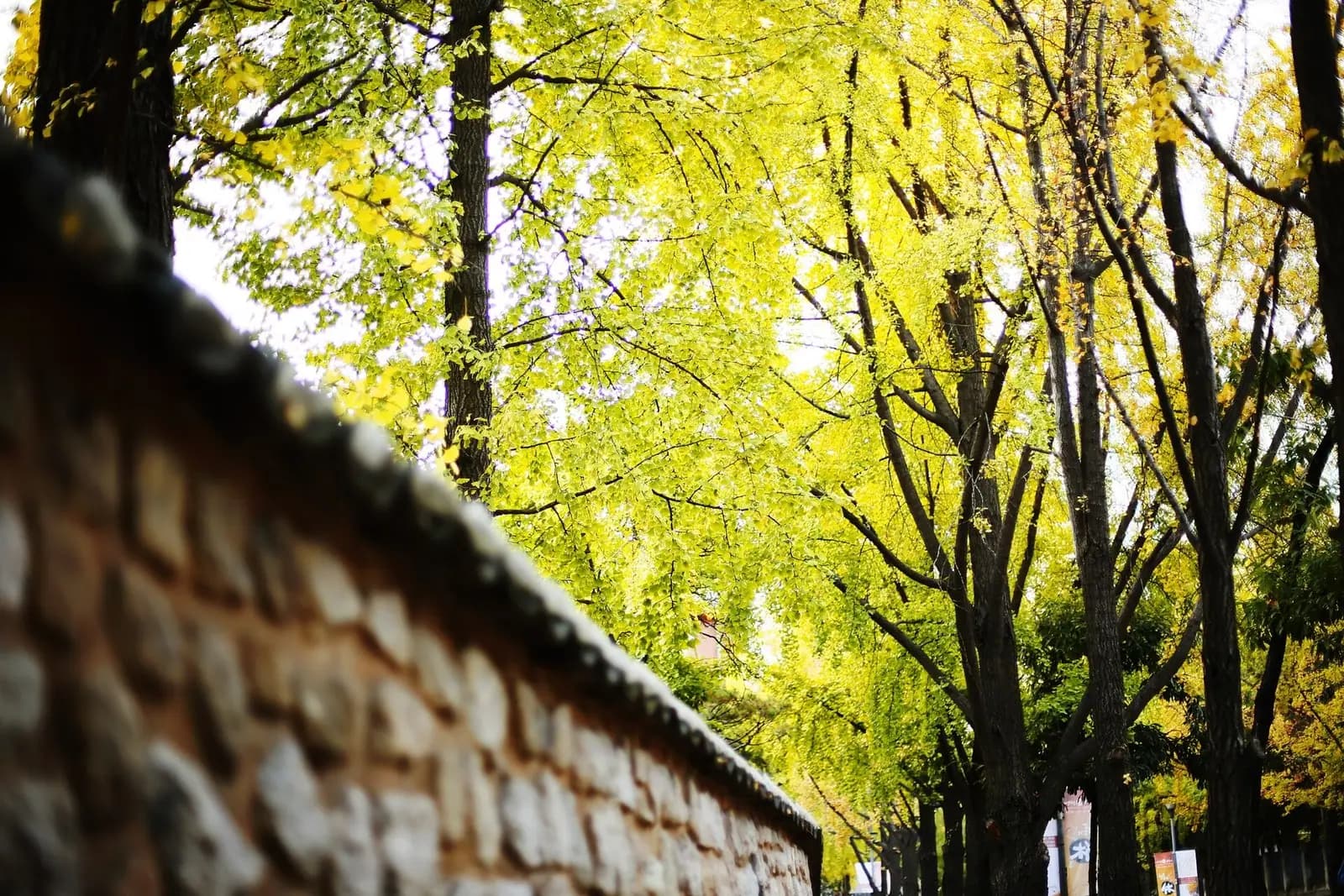
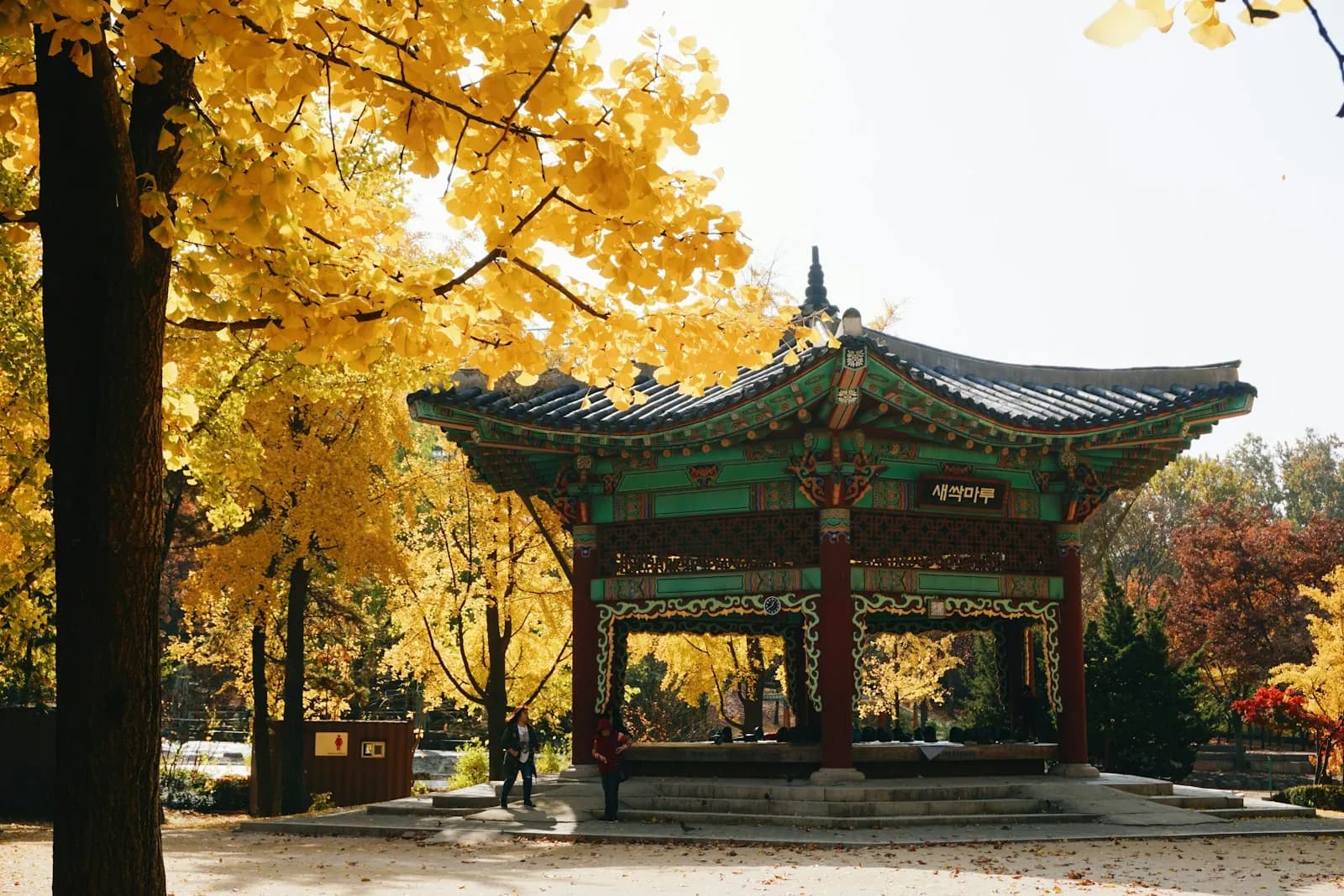
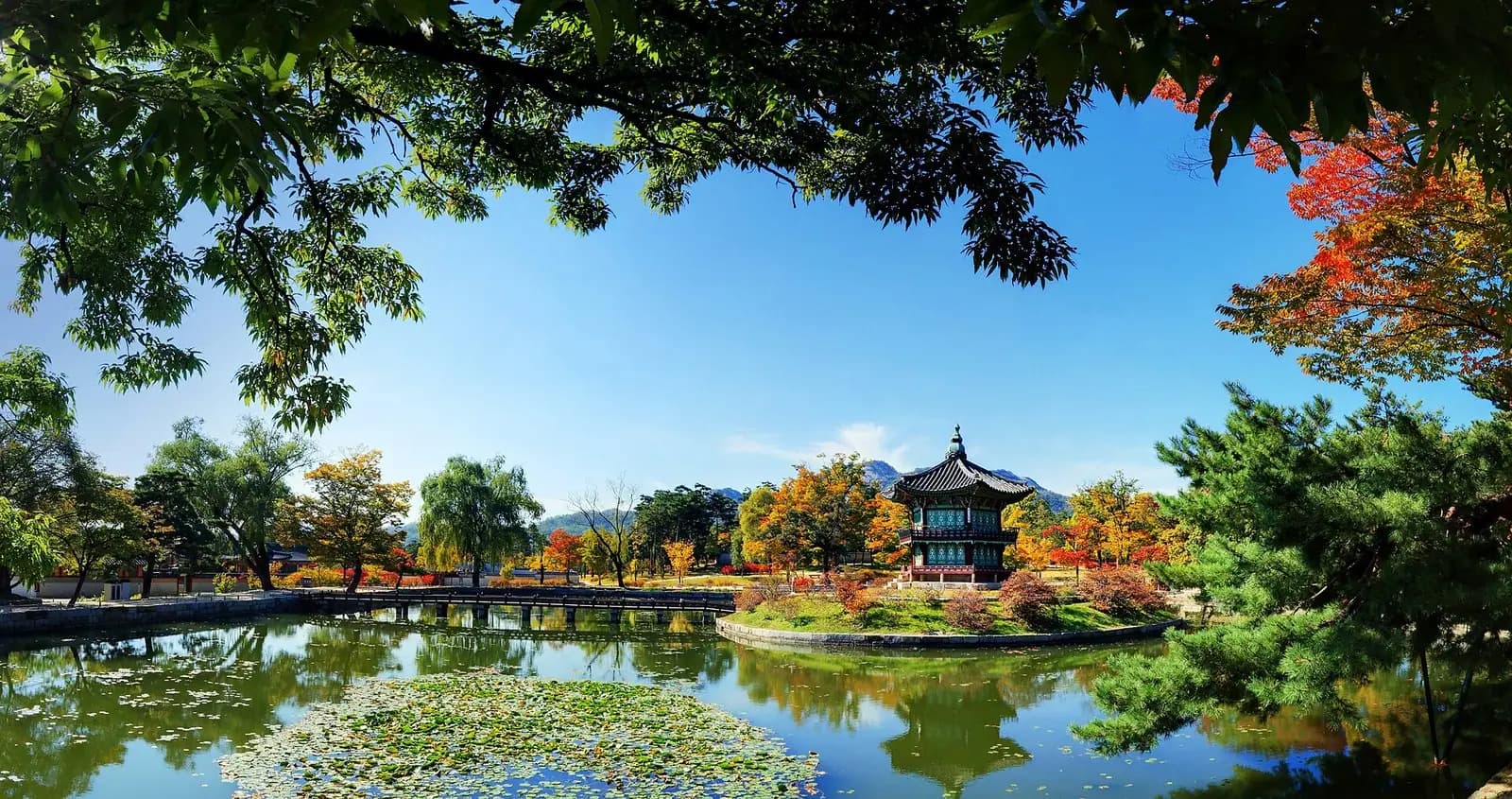
The reliable city spots are the palace grounds and their gardens, the ginkgo-lined streets of the older northern districts, Seoul Forest in Seongsu, Namsan and the paths up to the tower, and the stream and river paths. For anything more ambitious, Bukhansan and Inwangsan are the mountains inside or on the edge of the city, and the trails are busy on autumn weekends.
Ginkgo is the one to know. The yellow trees that line whole streets in Jongno and around the university areas are ginkgoes, and the fallen fruit smells strongly unpleasant, which is the single detail nobody warns visitors about.
What do locals do in Seoul in autumn that visitors miss?
They eat outside and they walk at night. Han River parks fill with picnic mats and delivery food on autumn evenings, which is a distinctly Korean scene: people order fried chicken to a patch of grass by the water and stay until it gets cold. Yeouido, Ttukseom near Seongsu, and Banpo are the main parks, and each is a short walk from a subway station.
A little more detail
Autumn is also the season of street food that only makes sense when it is cold: roasted chestnuts and sweet potatoes from carts, hotteok, and fish-shaped red bean pastries as the year turns. Seasonal food is one of the few things a local will reliably point you to that no list can, because the carts appear when the weather does.
The third habit is the temple and mountain day. Many Seoul residents treat a short hike as an ordinary weekend, not an expedition, and if you meet a local who hikes, an autumn morning on Inwangsan with a view back over the palace district is the best half-day in the city.
Is autumn a good time to meet a local in Seoul?
It is the best season for it, because the default plan can be a walk rather than an indoor sit. A walk removes most of the awkwardness of meeting a stranger: you are side by side, you are moving, and there is always something to point at. In December a walk is a negotiation with the cold, and in August it is a negotiation with humidity.
| Area | Autumn reason to go | Nearest anchor |
|---|---|---|
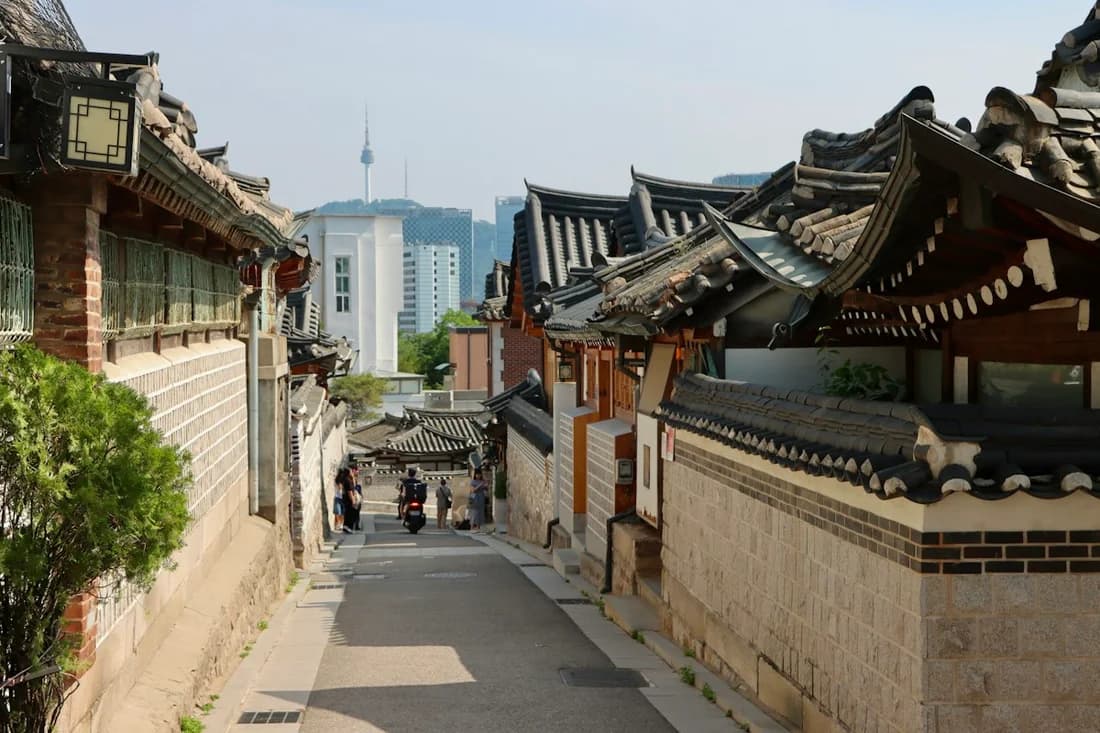
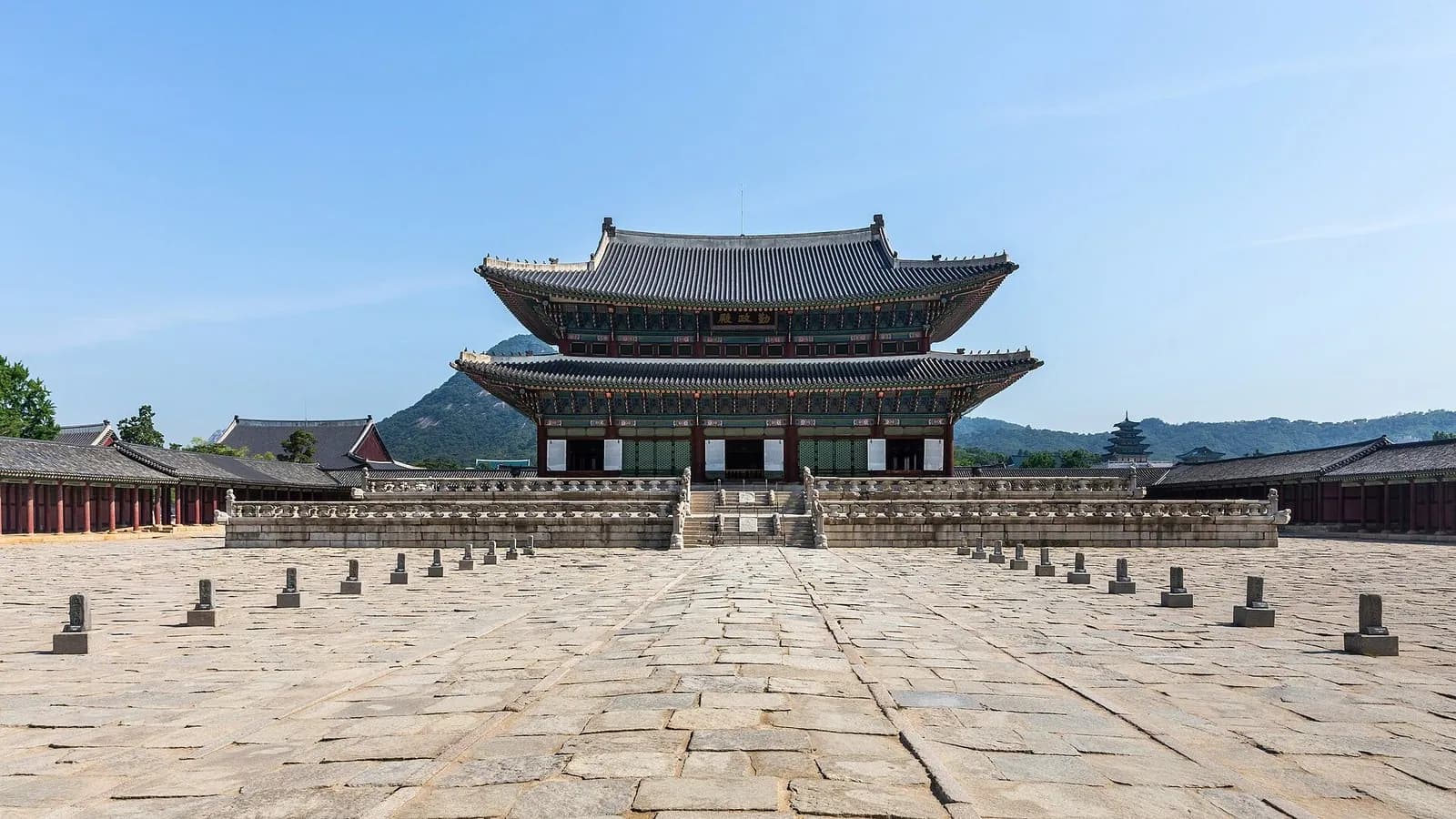
| Gyeongbokgung and Bukchon | Palace grounds and hanok alleys under color, tea houses when it turns cold | Anguk Station and Gyeongbokgung Station |
| Seongsu | Seoul Forest, the river path at Ttukseom, cafes with outdoor seating | Seoul Forest Station and Seongsu Station |
| Hongdae and Yeonnam-dong | The old railway park strip is at its best in October | Hongik University Station |
| Euljiro and Gwangjang Market | Cold-weather market food starts appearing, alleys are comfortable to walk | Euljiro 3-ga and Jongno 5-ga |
| Gangnam | Bongeunsa temple grounds, wide tree-lined avenues | Samseong Station |
A little more detail
The practical route is the same as any other season. On localseoul you send one request with your dates, the neighborhoods you want and a short message; verified locals see it on a board and one who likes it proposes a time and a public place. It is free during early access, and each person pays for their own coffee.
Say in the request that you would like to walk. Locals plan quite differently for a walk than for a cafe meeting, and autumn is when they have the best options.
What should you pack for a Seoul autumn trip?
Layers, real shoes, and one wind layer. Seoul in autumn is a walking city and the hills are not optional, so the single most useful thing in the bag is shoes you can do 15,000 steps in. A light jacket or a mid-weight coat by late November covers the evenings.
A little more detail
Skip the umbrella-heavy packing that summer demands, but keep a compact one. Autumn is dry by Korean standards rather than by desert standards, and a passing rain day happens. Indoor heating starts up in late autumn and cafes run warm, so something you can take off matters more than something thick.
Good questions.
When is peak autumn foliage in Seoul?
Usually somewhere between late October and mid-November in the city, with the mountains turning earlier than the streets. The exact peak shifts every year with the weather, so check a current foliage forecast close to your trip rather than relying on last year's dates.
Is October or November better for visiting Seoul?
October is milder and better for full days outdoors; November has better color in the city center but turns genuinely cold toward the end. If you want to be outside all day, choose October; if you want palace grounds in color with fewer crowds, choose early November.
Is autumn a busy season in Seoul?
Yes. It is one of the most popular stretches for both domestic and foreign travel, and accommodation around the Chuseok holiday and the foliage weeks fills early. Weekday visits to parks and mountain trails are noticeably calmer than weekends.
Can I meet a local for a walk rather than coffee?
Yes, and autumn is when that works best. Say so in your request on localseoul so the local can propose a park, a stream path or a palace-area route instead of a cafe. The meeting is still a public, free social meetup, not a guided tour.
Plans and opening hours can change. Check the venue or official source before you go. How we put these guides together · Suggest a correction
Get a feel for the neighborhood.
Keep exploring.
All guides ↗ Your kind of trip
Cold days, warm cafe stops
Make a winter day comfortable.
 Your kind of trip
Seoul over the holidays
Check what’s open before you go.
 Your kind of trip
Your first three days in Seoul
Pick a neighborhood. Leave room to wander.