First time in Seoul, 3 days: where a local fits in
Pick a neighborhood. Leave room to wander.
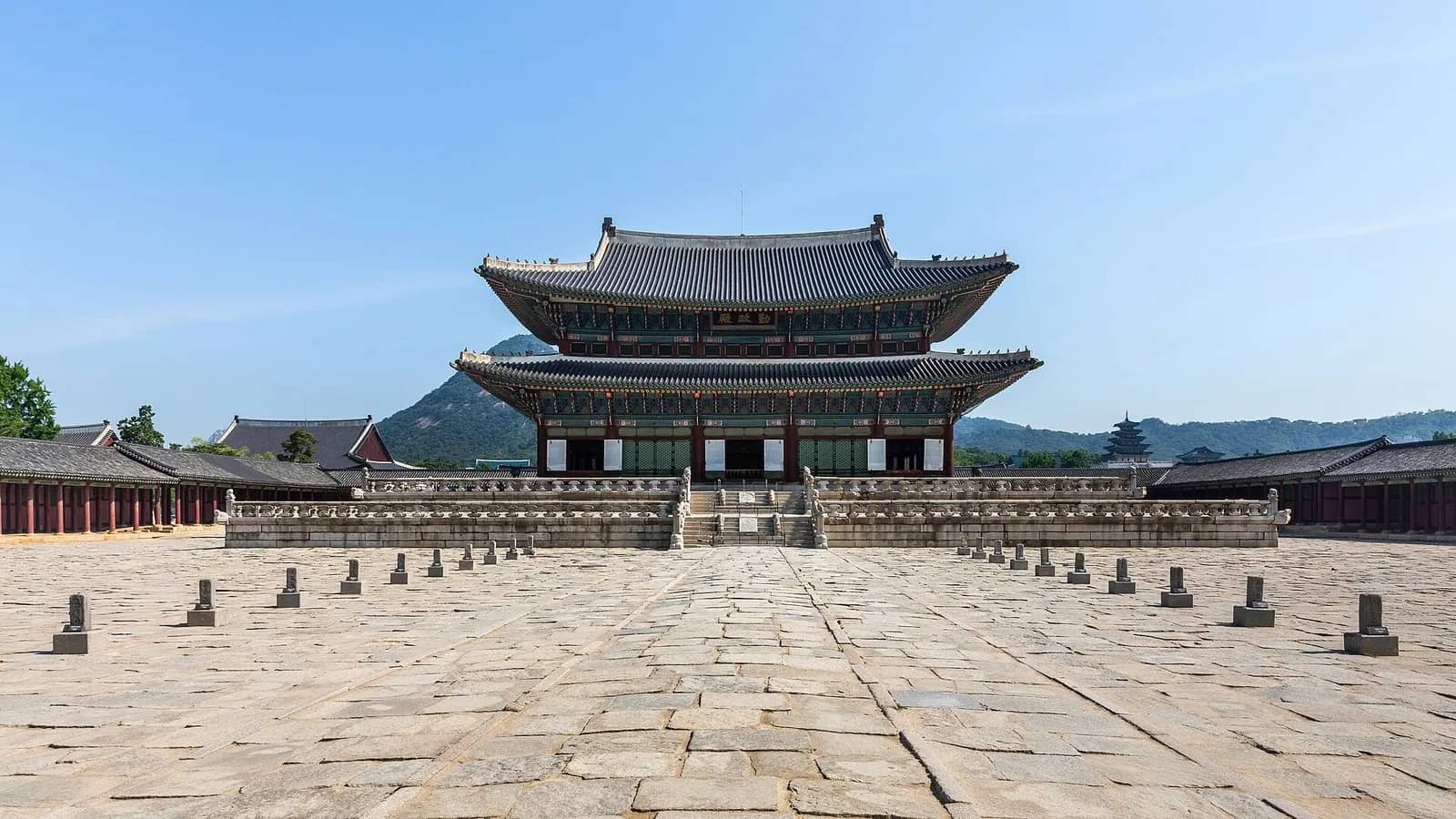
Here’s what to know.
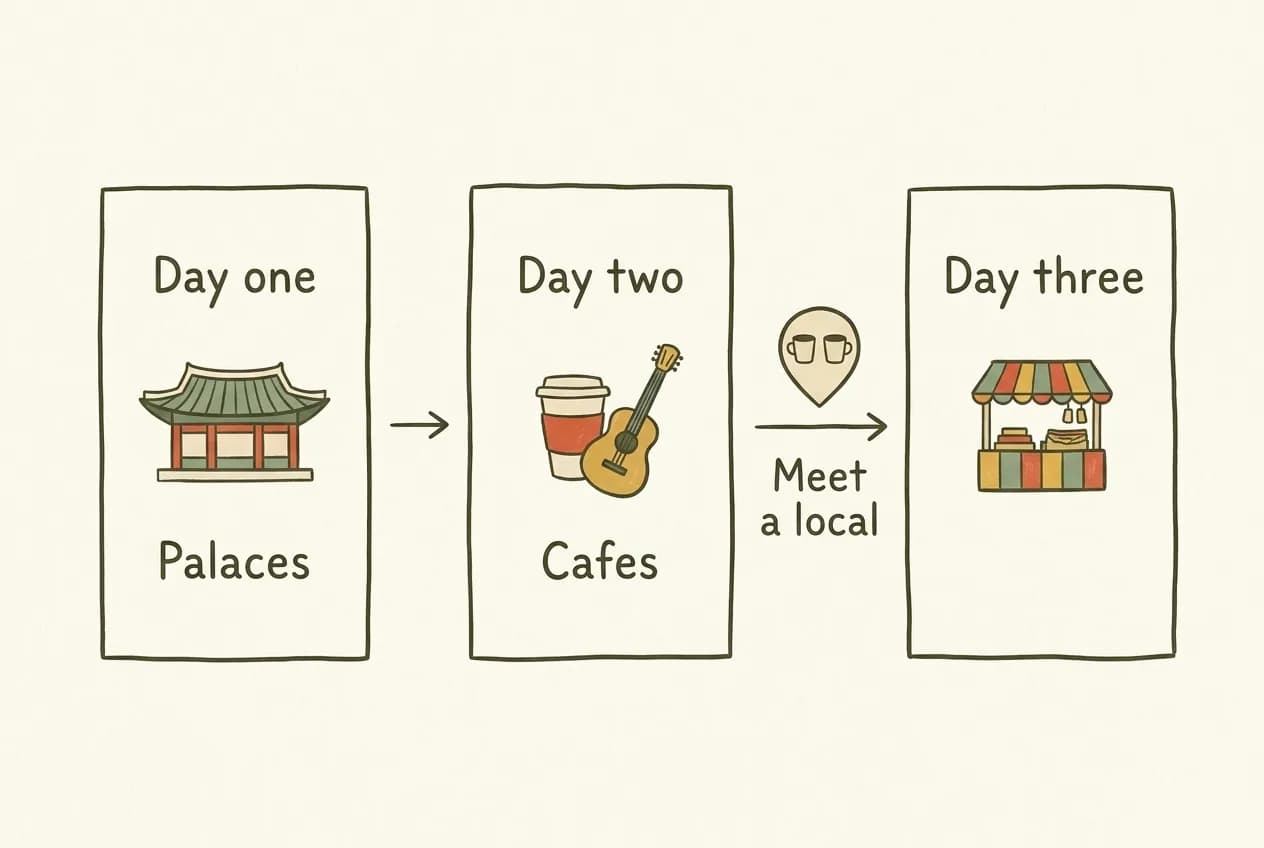
Three days is enough for the palace core, one cafe or nightlife district, and one market, if you group them by geography rather than by ranking. A local meeting fits best on day two or three: by then you know what you enjoyed, and the local can fill the gap rather than repeat the guidebook you already read on the plane.
Before you go
- Group each day around one part of the city.
- Check attraction hours before setting out.
- Keep time for a cafe stop and a spontaneous detour.
What should I check before a Bukchon walk?
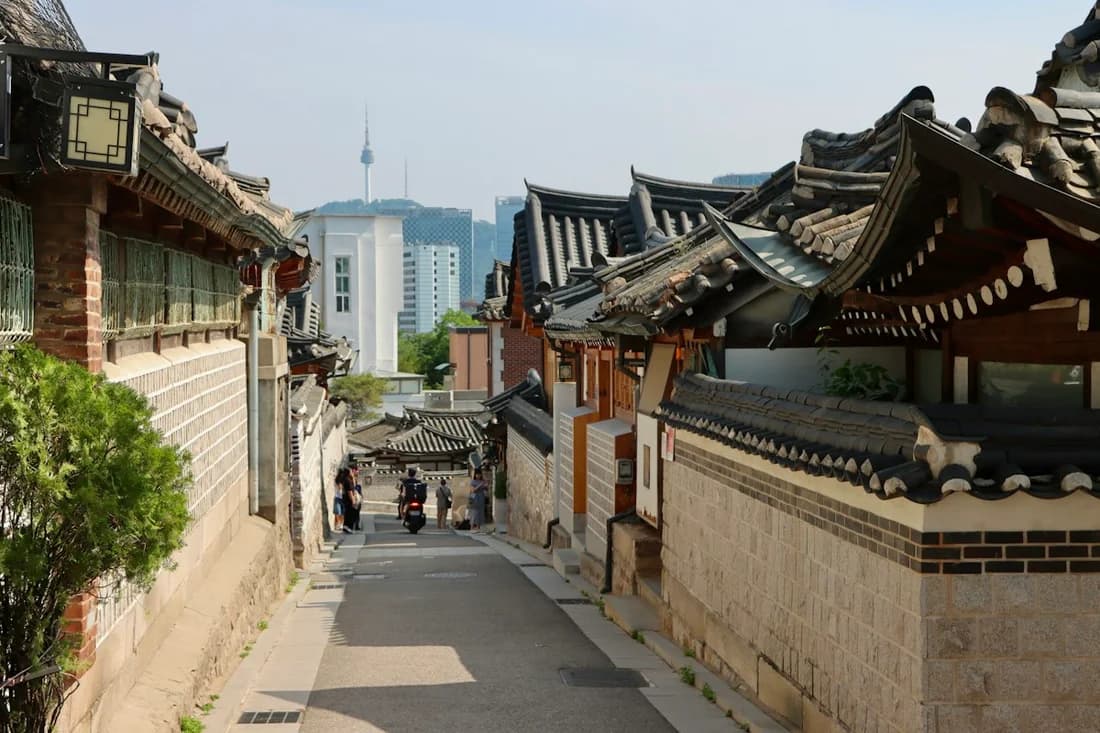
Bukchon is a residential neighborhood. The designated red zone restricts tourist visits to 10:00–17:00; this does not mean the same restriction covers every street or business in Bukchon. Check the city’s current zone notice, keep voices low and avoid photographing inside homes. The city also asks visitors to respect Sunday as a rest day for the alleyways.
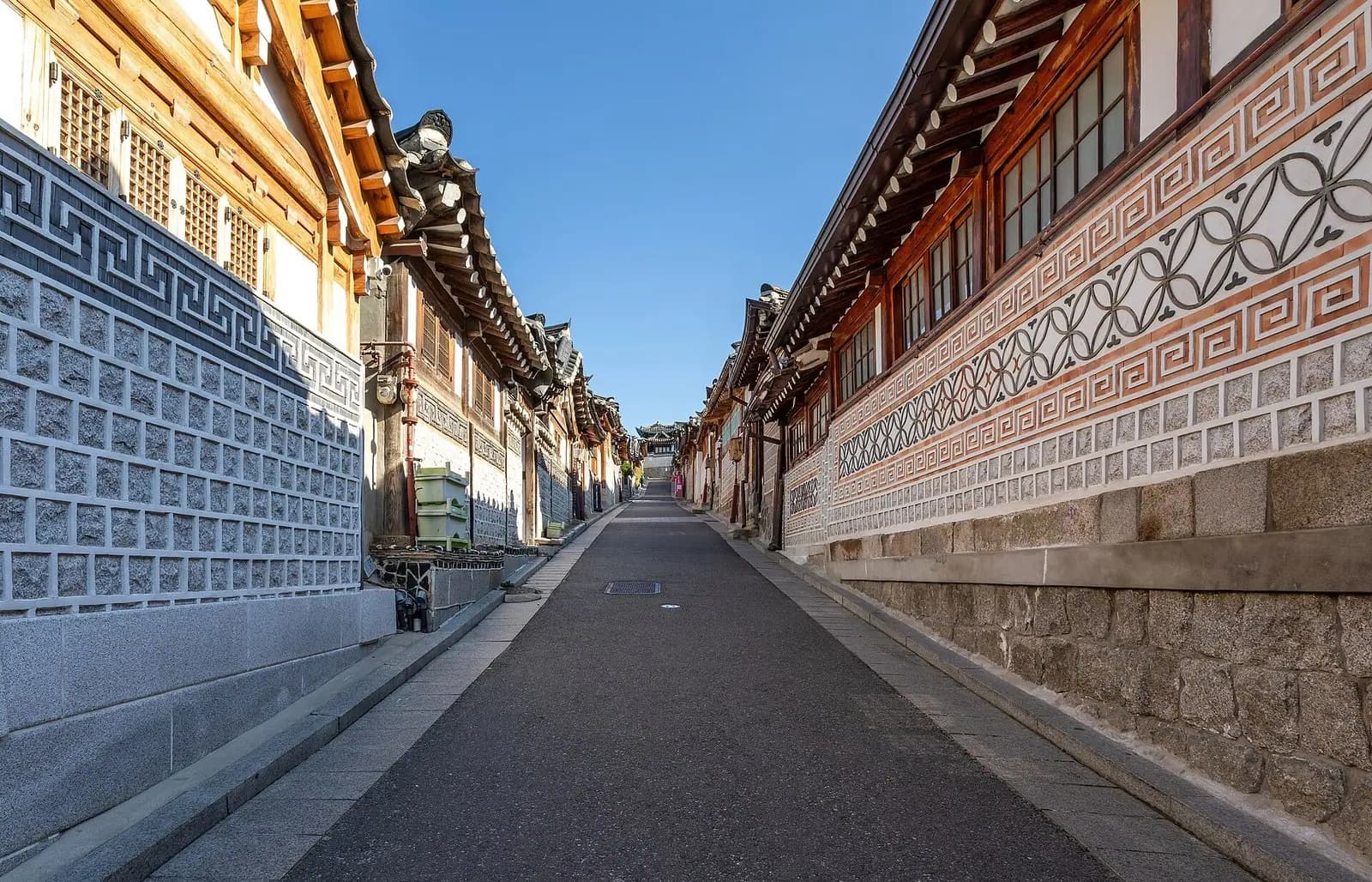
How should you split three days in Seoul?
Split Seoul by geography, not by attraction ranking. The city is large and the subway is good but not instant, so a day that crosses the Han River twice loses an hour to trains. The workable shape is one day in the historic north (Gyeongbokgung, Bukchon, Seochon, Insa-dong), one day in the west (Hongdae, Yeonnam-dong, Mangwon or Ikseon-dong), and one day in the east or center (Seongsu and Seoul Forest, or Euljiro and Gwangjang Market).
| Day | Area | Shape of the day |
|---|---|---|
| Day 1 | Gyeongbokgung, Bukchon, Seochon | Palace in the morning, hanok alleys and tea houses after lunch, Gwanghwamun at dusk |
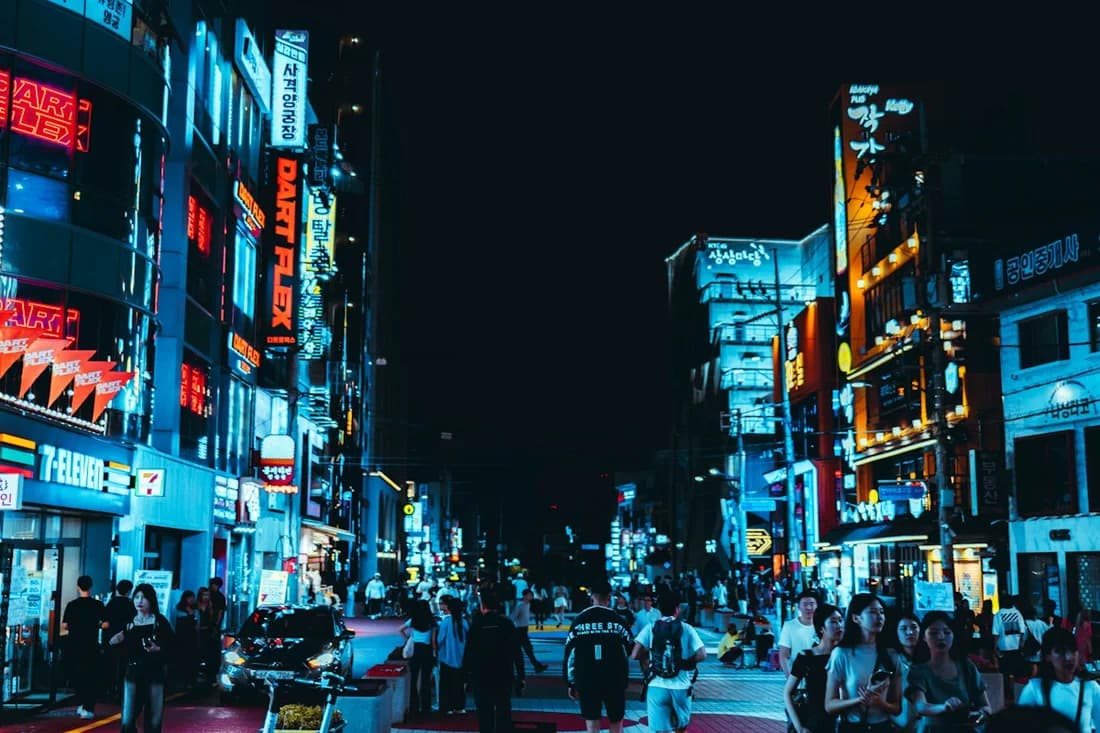
| Day 2 | Hongdae and Yeonnam-dong, or Ikseon-dong | Late start, cafes and vintage shops, dinner, live music or a quiet alley bar |
| Day 3 | Seongsu, or Euljiro and Gwangjang Market | Coffee and pop-ups and Seoul Forest, or market food from late afternoon |
A little more detail
Anchor each day on one thing that has fixed hours and build around it. Gyeongbokgung is closed on Tuesdays and Changdeokgung on Mondays, so check the day before you plan the palace. Most markets are best in the afternoon and evening; most cafes and pop-ups open late morning.
Leave one evening completely unplanned. Seoul rewards the walk you did not schedule more than the third museum, and an unplanned evening is also the easiest slot to give to a local who suggests something happening that week.
Which day should you meet a local?
Day two or three, not day one. On day one you are jet-lagged, unsure of the subway, and still working out whether you like palaces or coffee more than you thought. By day two you can say something specific, and specific is what makes the meeting good: "I liked the market food, where do you actually eat" produces a far better afternoon than "show me Seoul".
A little more detail
Put the meeting in the middle of a day rather than at the end of one. A late-afternoon coffee that turns into dinner is the natural shape, and it leaves an exit for both of you if the conversation is only polite rather than good.
If you are using localseoul, send the request before you fly. It is free during early access, verified Seoul residents pick requests off a board, most requests hear back within 48 hours, and a directly named local has 72 hours to reply. Nothing about it is a tour: you are arranging coffee, a meal or a walk with someone who lives there.
What does a local add that a guidebook does not?
Current information and ordering. Seoul's cafe and restaurant turnover is fast enough that a two-year-old list is unreliable, especially in Seongsu and Euljiro where the good places deliberately have no signage. A resident knows what opened this month, which branch of a chain is the original, and which alley is worth the ten-minute walk.
- Buy a rechargeable transit card at any convenience store on arrival; it covers subway, bus and most taxis.
- Install a Korean map app. Google Maps navigation is limited in Korea by law, so Naver Map or KakaoMap is what everyone actually uses.
- Check palace closing days before you build a morning around one.
- Carry a small amount of cash for markets and older restaurants, even though cards work almost everywhere.
- Learn three phrases: annyeonghaseyo (hello), gamsahamnida (thank you), igeo juseyo (this one, please).
A little more detail
The second thing is the menu itself. Plenty of neighborhood restaurants have no English menu and no pictures, and the difference between a fine meal and a great one is often knowing to ask for the side dish that is not written down. Watching someone order, and learning two or three phrases while you do it, changes the rest of your trip.
What a local does not add is logistics. They are not a guide, not a translator for the week, and not on call. The meeting is a social one between two adults, each paying for their own coffee.
What do most first-time visitors get wrong?
Over-scheduling is the main one. Five palaces in three days produces a blur; one palace and one long walk produces a memory. The second mistake is treating Seoul as a checklist of districts, which turns the trip into a subway tour with photographs at the end of each ride.
A little more detail
The third is timing food badly. Many Korean restaurants close between roughly 3 pm and 5 pm, markets are quiet in the morning and alive after dark, and the good bakeries sell out. Eat lunch at noon and dinner at six rather than drifting, or you will end up at the convenience store, which is genuinely fine but not what you flew for.
The fourth is assuming everything is walkable because it looks close on a map. Seoul is hilly and its blocks are long. Budget 20 minutes between places you thought were adjacent.
What if you only have three days and it is raining or very hot?
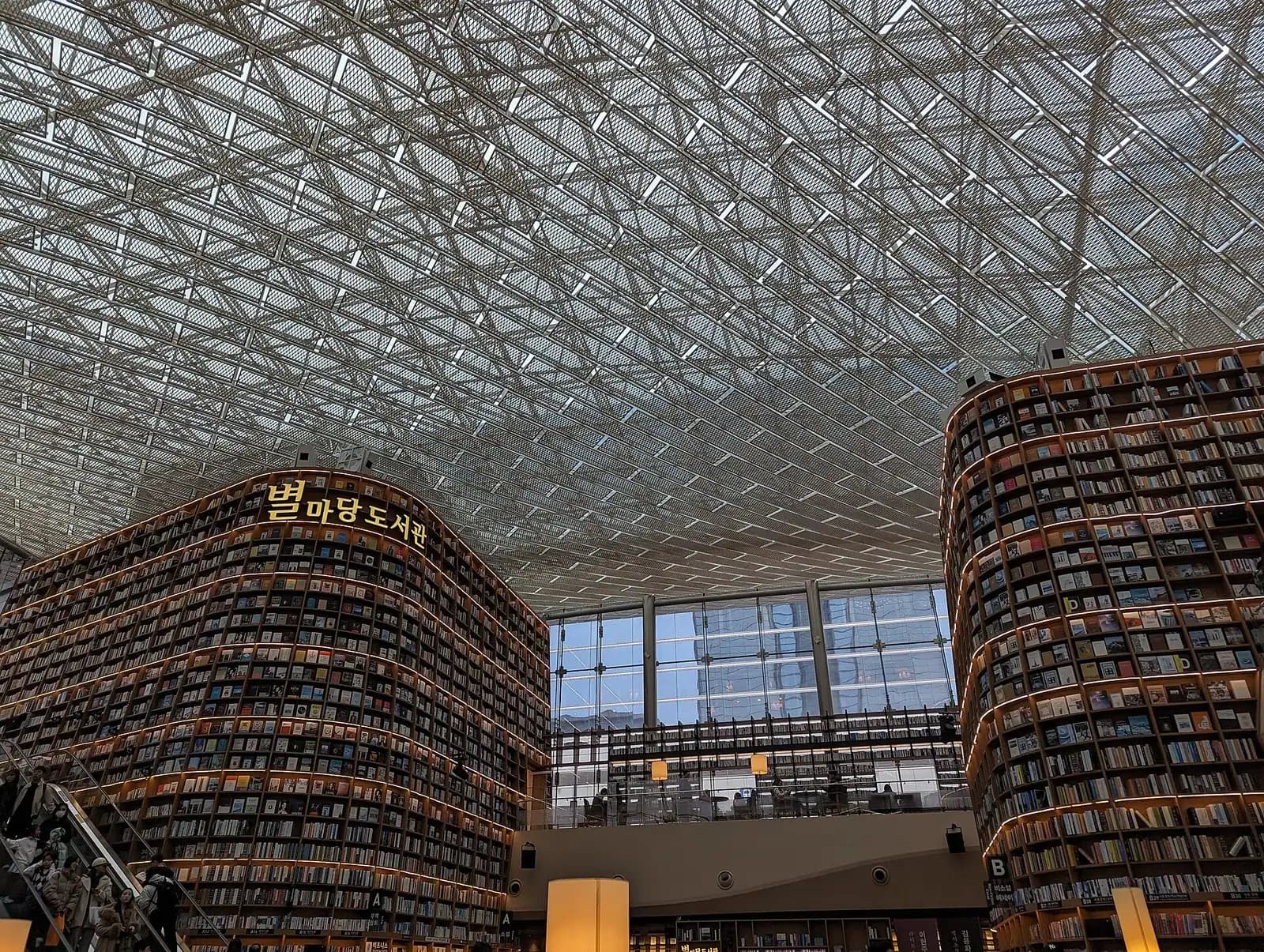
Shift indoors and downward. Seoul has an enormous indoor layer: underground shopping arcades at Euljiro and Gangnam, department store food halls, the Starfield Library at COEX, museums along the palace corridor, and cafe buildings four storeys tall in Hongdae and Seongsu. A rainy day is the best possible day for the National Museum of Korea or a long cafe afternoon.
A little more detail
Summer heat and humidity in July and August are genuinely heavy, and the monsoon period usually falls in that window. In that case reverse the day: indoors from late morning to late afternoon, outdoors after sunset when the markets and the Han River parks come alive. A local meeting works well in the evening slot for exactly this reason.
Good questions.
Is three days enough for Seoul?
It is enough for one historic day, one cafe or nightlife district, and one market, done properly. It is not enough to add day trips to the DMZ or Busan without cutting something, so pick depth over coverage on a first visit.
Which palace should I visit if I only pick one?
Gyeongbokgung, for scale and the National Folk Museum on the grounds, and because Bukchon and Seochon are a walk away on either side. It closes on Tuesdays. Changdeokgung with its rear garden is the quieter alternative and closes on Mondays.
Do I need to book a local in advance?
Yes, send the request before you arrive. On localseoul most requests hear back within 48 hours and a specific named local has 72 hours to reply, so a request sent the morning you land may not be matched in time for a three-day trip.
How much does meeting a local cost?
Nothing. localseoul is free during early access, and the local is not paid by you; each of you pays for your own coffee or food. After a verified meetup the local receives a KRW 10,000 Starbucks e-gift from localseoul.
Should I get a T-money card or use my credit card?
Get the transit card. Foreign contactless cards work in many places but not reliably on every bus and gate, and the card costs a few thousand won at any convenience store, where you also top it up in cash.
Sources & useful links
Plans and opening hours can change. Check the venue or official source before you go. How we put these guides together · Suggest a correction
Get a feel for the neighborhood.
Keep exploring.
All guides ↗ Make friends
Make a friend, not an itinerary
A coffee is a good place to start.
 Make friends
Good company on a short trip
Make the first hello easier.
 Your kind of trip
A layover with room to breathe
Plan around the flight first.