Yeonnam-dong: Hongdae's quiet side
A green path and a cafe detour.
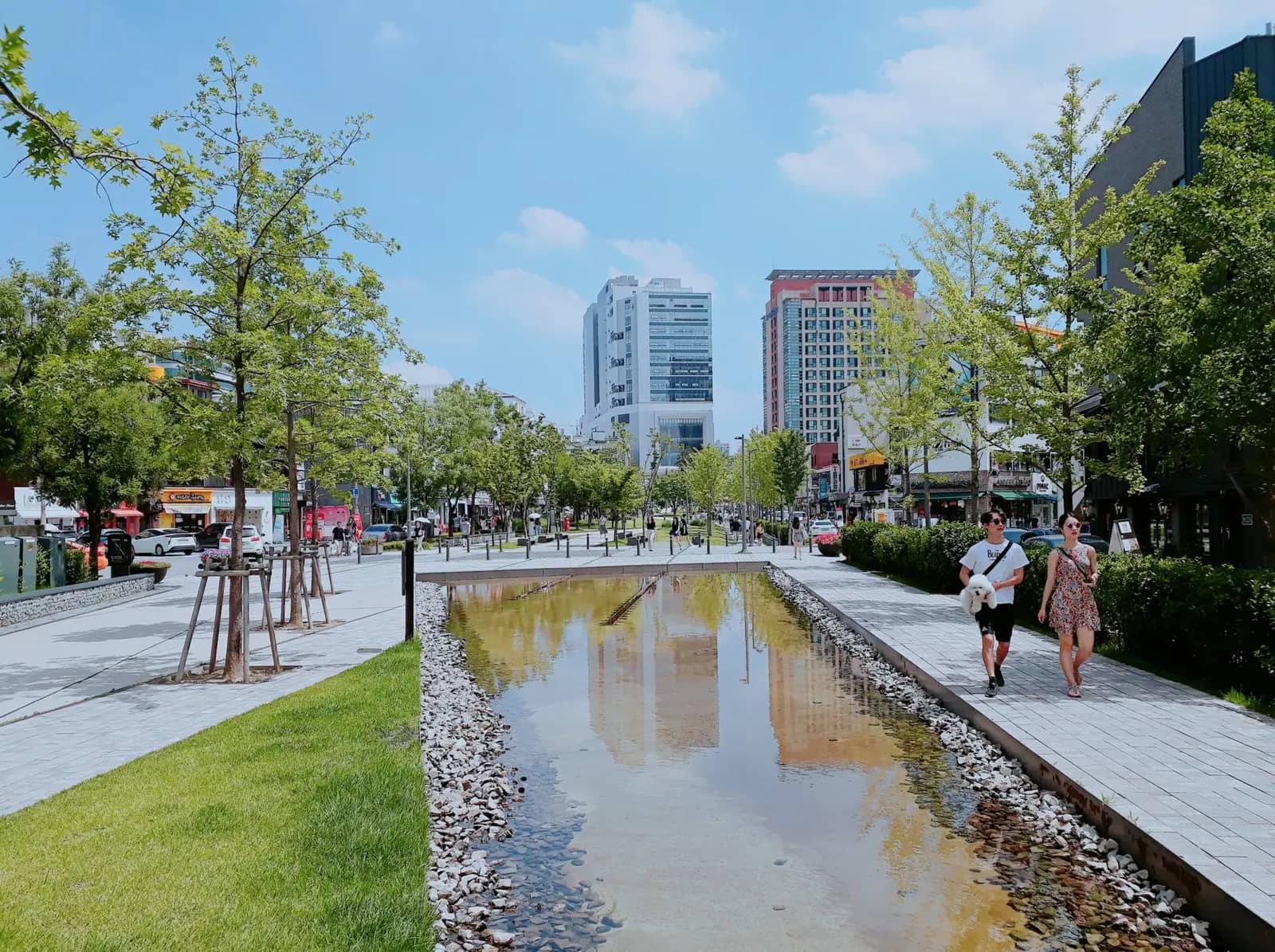
Here’s what to know.
Yeonnam-dong is the residential neighborhood immediately north of Hongdae, in Mapo-gu, reached from exit 3 of Hongik University Station on subway line 2. Its spine is the Gyeongui Line Forest Park, a converted railway strip locals call Yeontral Park. Low-rise houses have been turned into cafes and small restaurants.
Before you go
- Pin your arrival station and a meeting place.
- Check today’s opening hours before setting out.
- Leave time to walk and choose an indoor backup.
What is Yeonnam-dong, and how is it different from Hongdae?
Yeonnam-dong is what Hongdae looks like when you remove the busking square and the clubs. It is a low-rise residential district of two- and three-storey houses, many of them converted into cafes, bakeries and twenty-seat restaurants, spread over a grid of quiet streets rather than one main strip.
| Hongdae | Yeonnam-dong | |
|---|---|---|
| Core scene | Busking, clubs, live venues | Cafes, small restaurants, the park |
| Street form | Wide commercial strips | Residential grid and alleys |
| Peak hours | Evening until late | Late morning to early evening |
| Typical visit | One night out | A long afternoon |
| Nearest station | Hongik Univ (line 2, exits 8-9) | Hongik Univ (line 2, exit 3) |
A little more detail
The two areas are continuous on foot. From exit 3 of Hongik University Station you are in Yeonnam within two minutes; from the busking square it is about a ten-minute walk north. Residents treat them as one neighborhood with two moods, and often move between them in a single evening.
The practical difference is noise and seating. Hongdae is designed for standing and moving; Yeonnam is designed for sitting down. If you have been in Seoul for a few days and want a long conversation rather than a queue, this is the closest place to do it.
What is the Gyeongui Line Forest Park?
The park that runs through Yeonnam-dong is a former railway right-of-way. When the Gyeongui line was put underground, the surface strip was turned into a narrow linear park running several kilometers through Mapo-gu, and the Yeonnam section is its busiest stretch.
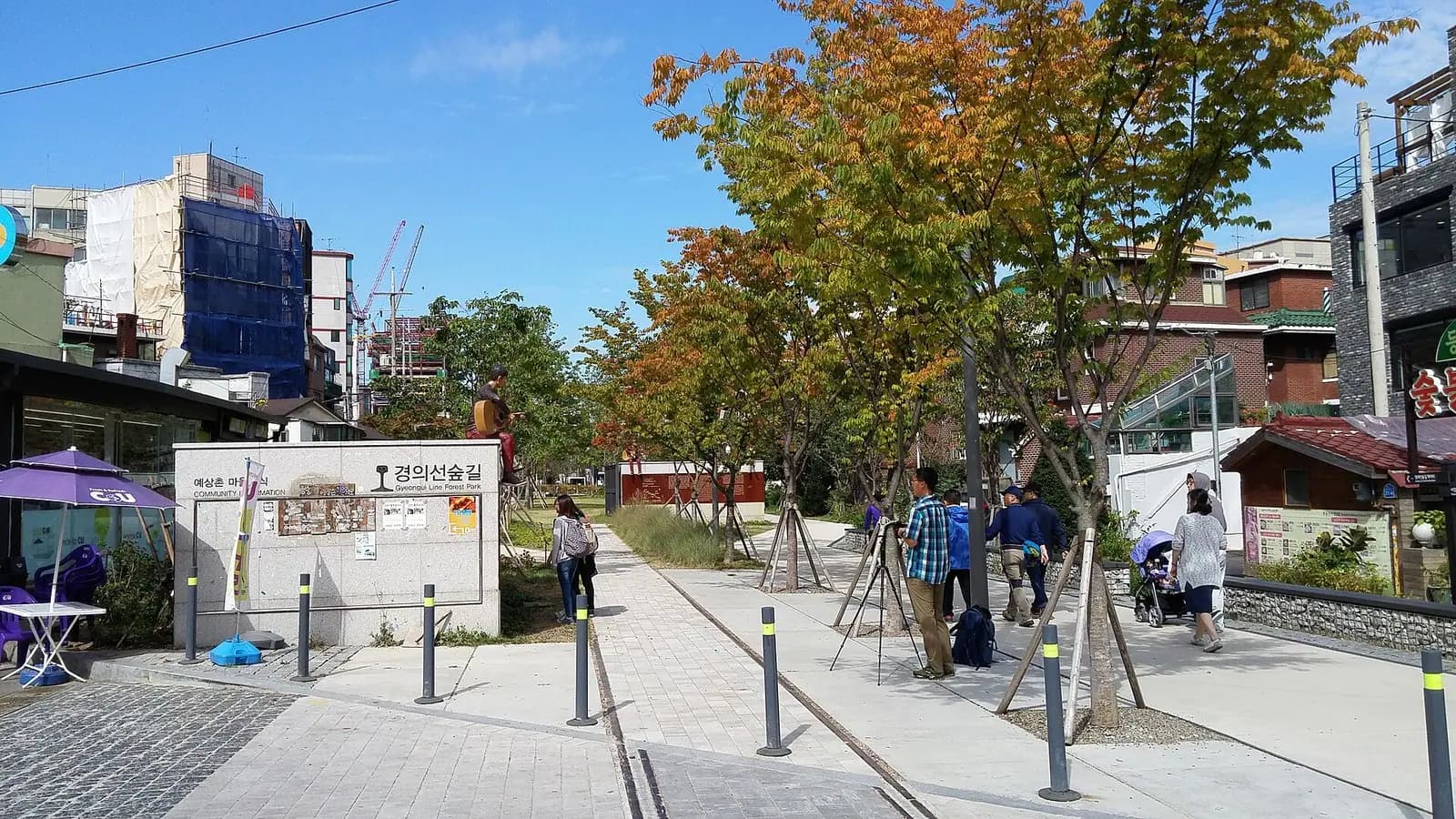
A little more detail
On warm weekends the grass fills with people sitting on mats with convenience-store food and takeaway coffee, which is a genuinely local habit rather than a tourist activity. Nobody is selling anything on the grass; the cafes and shops line the streets on both sides.
The park also functions as a navigation tool. Almost everything in Yeonnam is described as being on one side of the park or the other, and following it northwest eventually brings you toward Gajwa, while southeast leads back to Hongik University Station and the AREX airport line.
What do you eat in Yeonnam-dong?
Yeonnam is known for two things: third-wave coffee and Chinese-Korean food. The coffee is the newer layer, in converted houses with ten seats and a single roast on offer. The Chinese-Korean layer is older, tied to the ethnic Chinese community historically settled around this part of Mapo, and it is why the neighborhood has an unusual density of restaurants serving jjajangmyeon, jjamppong and hand-pulled noodles.
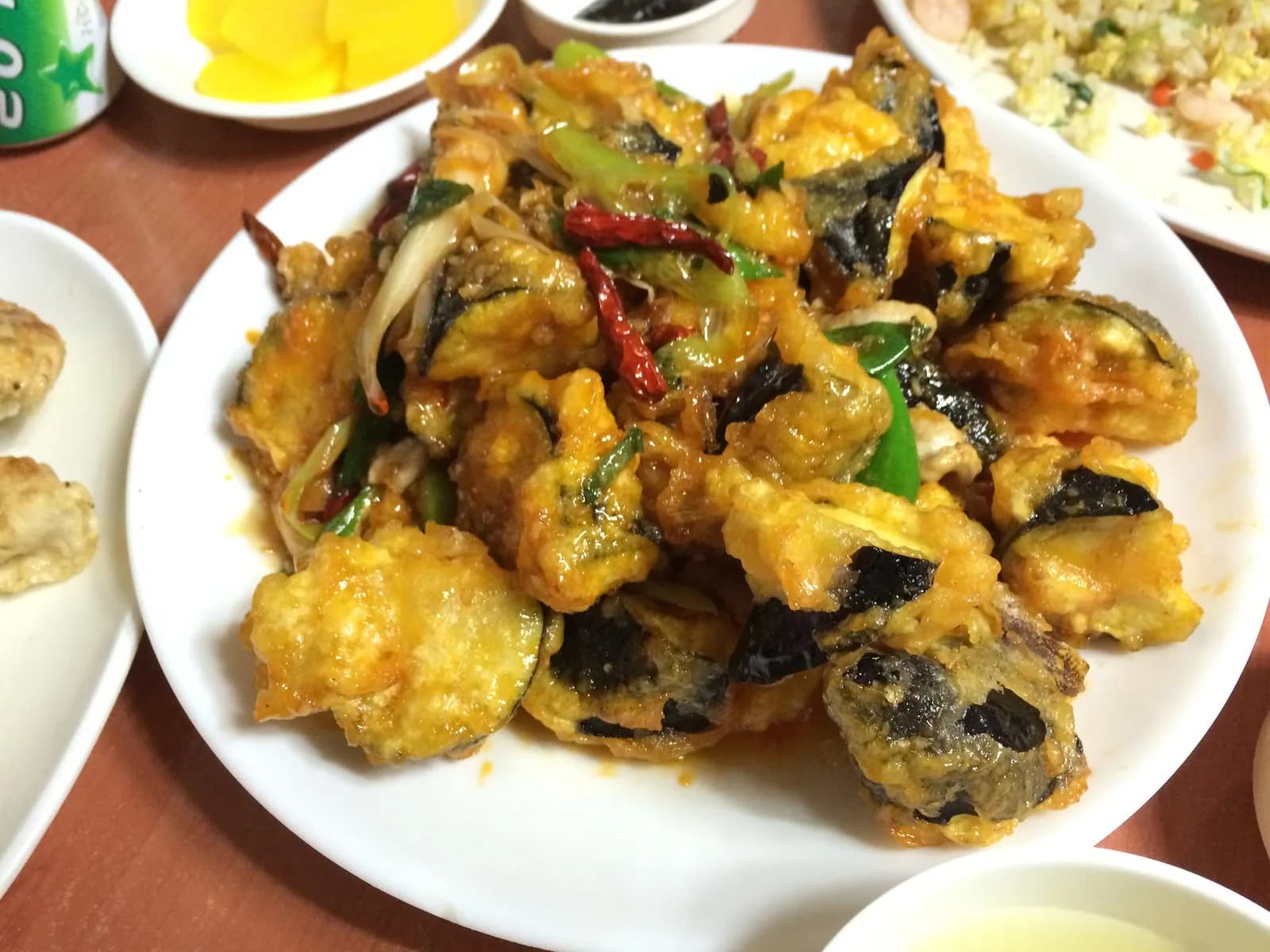
A little more detail
The third category is small restaurants that would be unremarkable in volume but are precise in what they do: one pasta kitchen, one izakaya-style place, one bakery that sells out by four in the afternoon. Because they are small, weekend evenings involve waiting lists, often through a Korean-language app on a tablet at the door.
Dongjin Market, an old covered market in the middle of the neighborhood, runs a weekend craft and food market in its lanes and is one of the few fixed landmarks that has survived the area's turnover.
When should you go?
Yeonnam is a daytime and early-evening neighborhood. Many cafes open around eleven, hit capacity between two and five on weekends, and close by nine or ten. If you arrive at midnight expecting Hongdae energy you will find closed shutters and a dark park.
A little more detail
Weekday afternoons are the best trade-off: everything is open, almost nothing has a queue, and the park is used by residents rather than visitors. Saturday afternoon is the opposite — the area is at its most photogenic and its least comfortable.
In autumn the park strip is one of the pleasanter places in western Seoul to sit outside, and in winter the neighborhood shifts indoors entirely, which suits its small rooms.
Is Yeonnam a good place to meet a Seoul resident?
It is one of the best in the city, for a structural reason: the cafes are small, quiet and built around tables, and the park gives you somewhere to go afterwards without a plan. Hongdae is loud and Myeongdong has nowhere to sit; Yeonnam solves both.
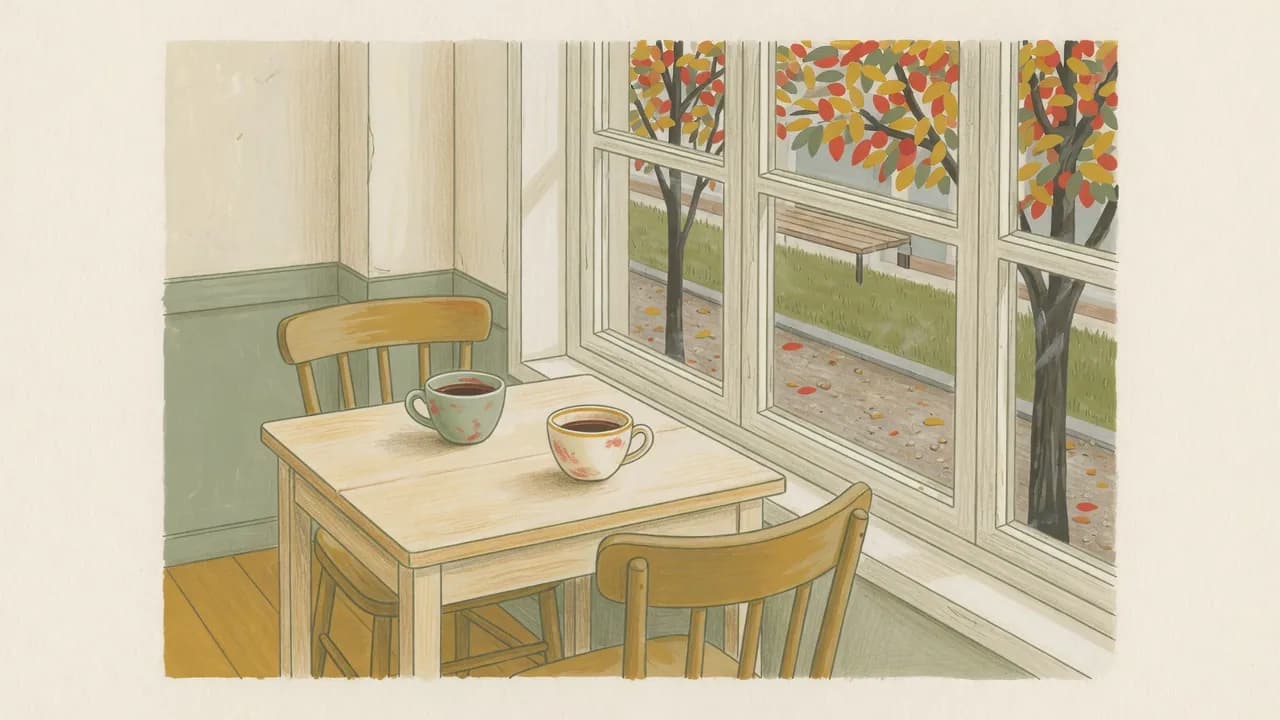
A little more detail
localseoul matches travelers with ID-verified residents for coffee, food or a walk, and Yeonnam falls inside the Hongdae area of the early-access pilot. Matching is free, the local is not paid by you, and first meetings happen in public places.
Good questions.
How do you get to Yeonnam-dong?
Take subway line 2, the AREX airport line or the Gyeongui-Jungang line to Hongik University Station and leave by exit 3. The Gyeongui Line Forest Park starts within two minutes of the exit and runs through the middle of the neighborhood.
Is Yeonnam-dong the same as Hongdae?
No, but they touch. Hongdae is the commercial and nightlife area around Hongik University; Yeonnam-dong is the residential district immediately north of it, built around a linear park, with cafes and small restaurants instead of clubs.
What is Yeontral Park?
A nickname for the Yeonnam section of the Gyeongui Line Forest Park, a long grass strip built on a buried railway. People sit on mats with convenience-store food and coffee. It is the neighborhood's main gathering space in warm months.
Is Yeonnam-dong worth visiting if I only have three days in Seoul?
Combine it with Hongdae rather than treating it as a separate trip. An hour or two in Yeonnam in the late afternoon, then Hongdae in the evening, covers both sides of the area without a second subway journey.
Plans and opening hours can change. Check the venue or official source before you go. How we put these guides together · Suggest a correction
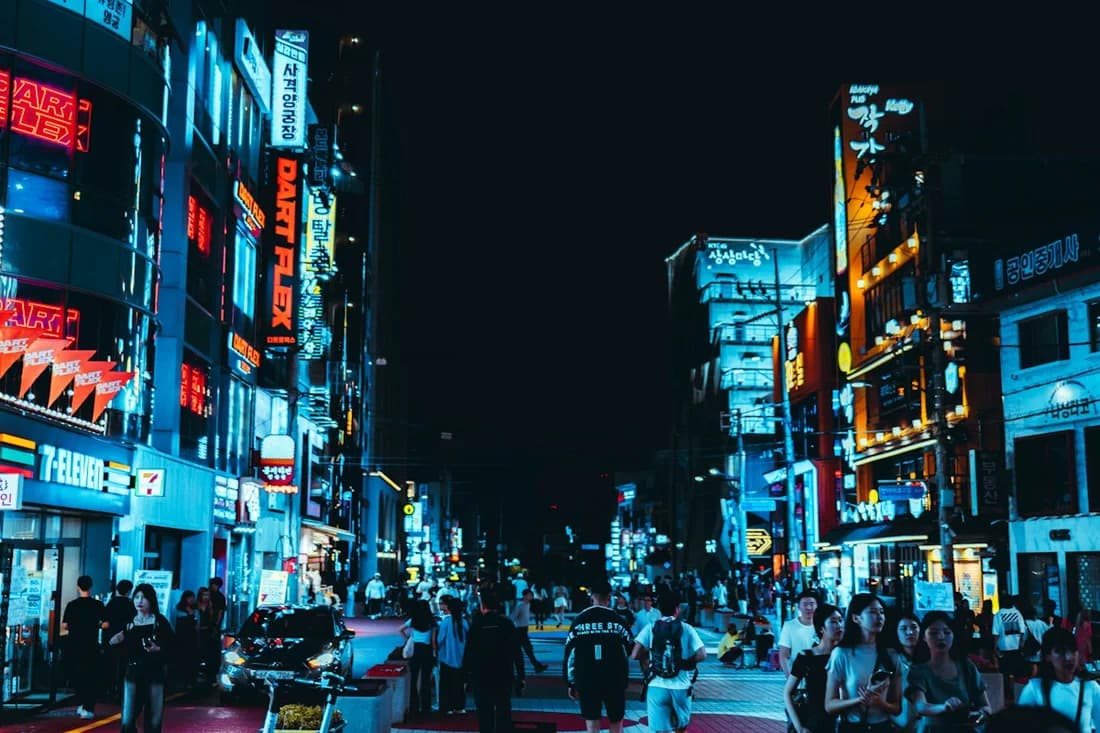
Get a feel for the neighborhood.
Keep exploring.
All guides ↗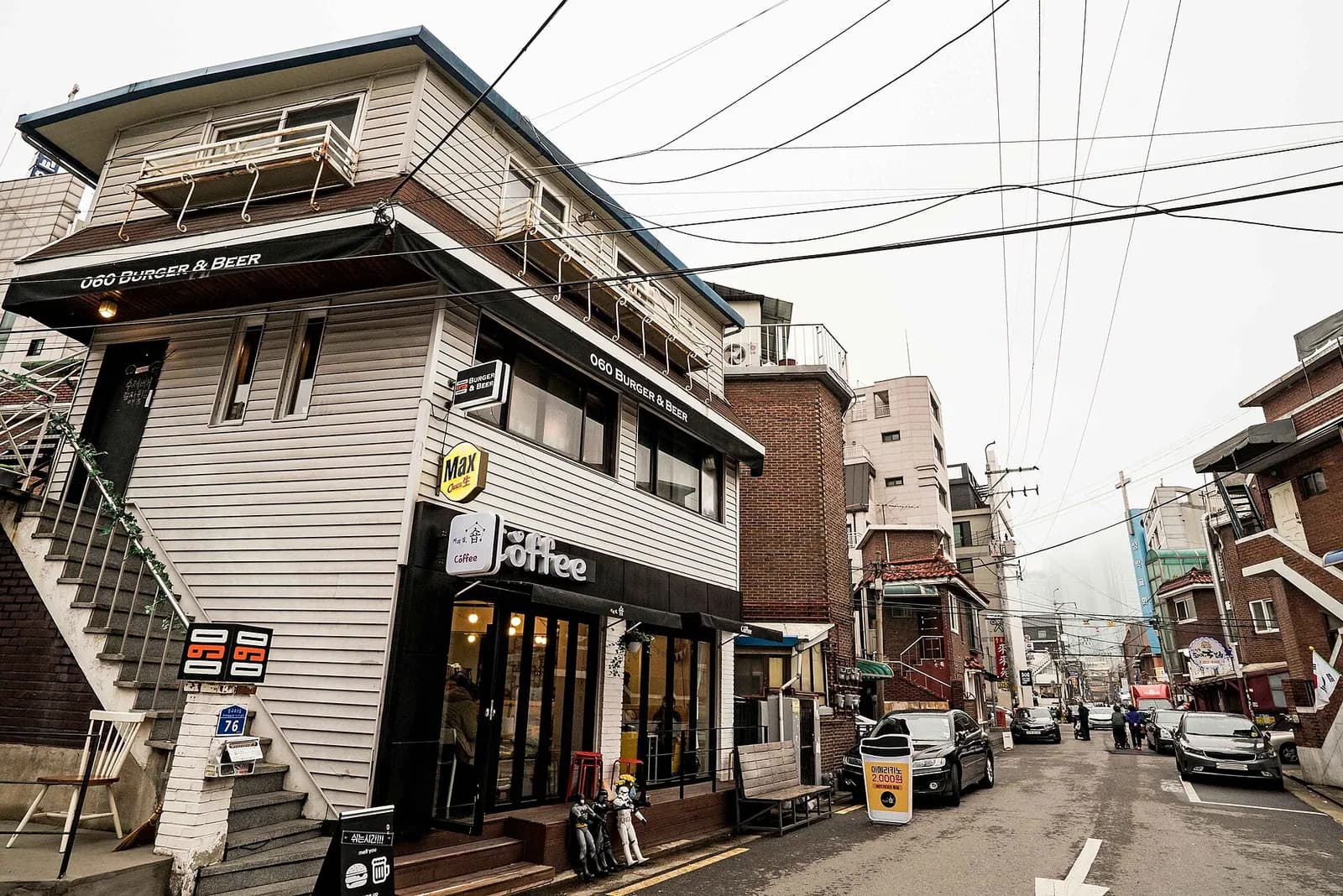 Neighborhoods
A market day in Mangwon
Browse, snack, then decide where to wander.
 Everyday know-how
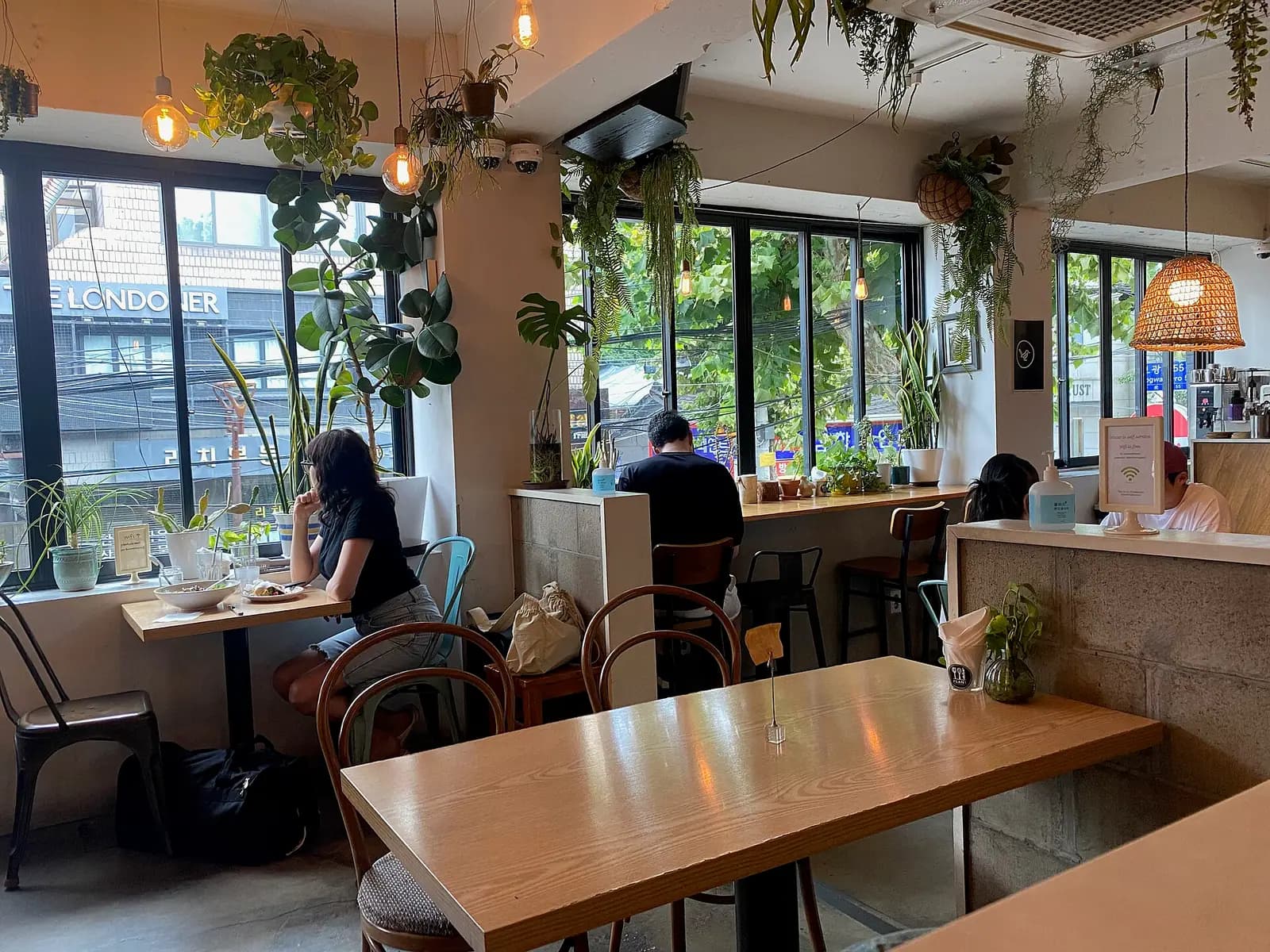
Let’s get coffee
Order, settle in, know the house rules.
 Make friends
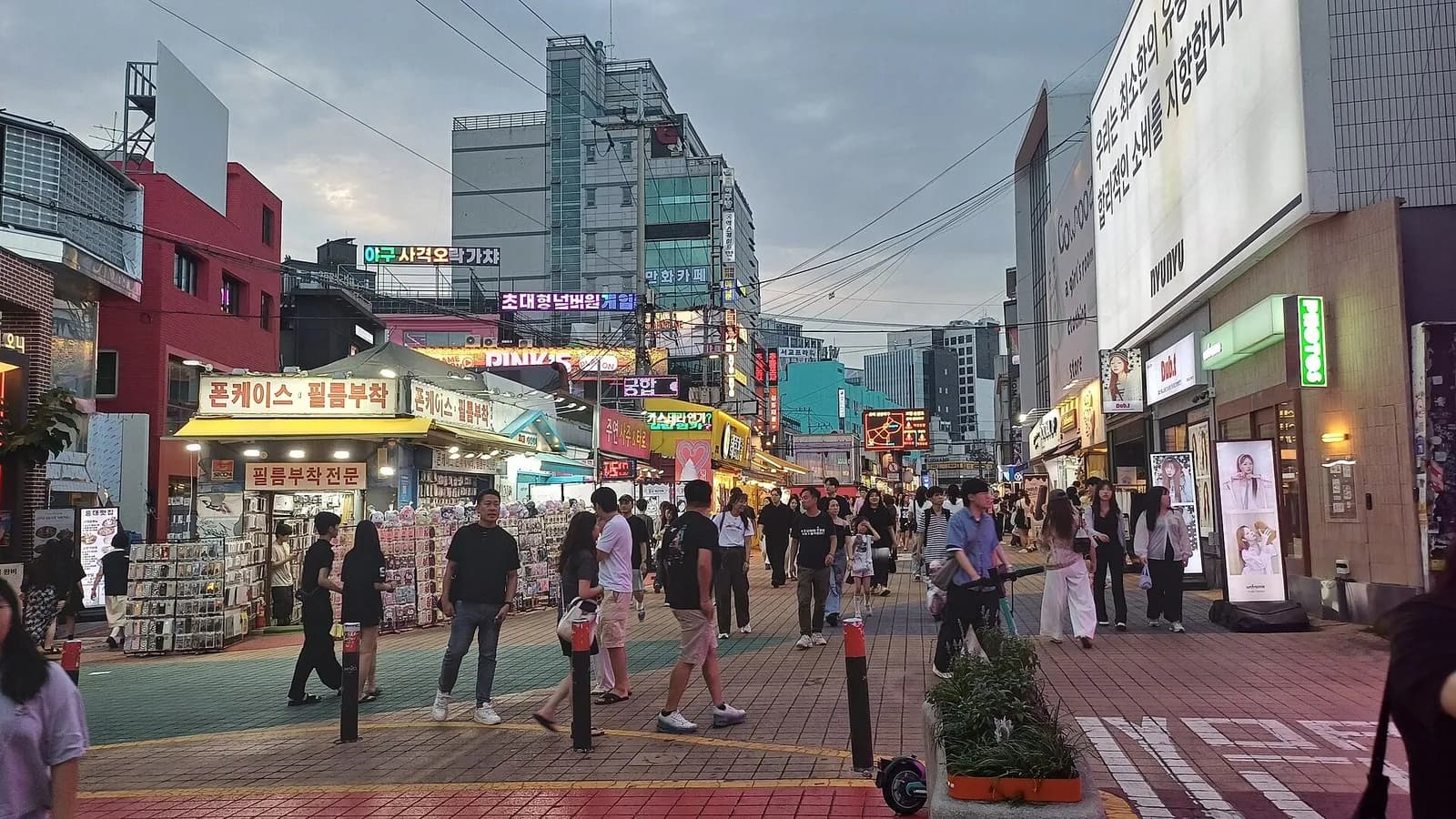
Make a friend, not an itinerary
A coffee is a good place to start.