How to set a meeting point in Seoul (exits, stations, landmarks)
A better plan than “meet at the station.”
Here’s what to know.
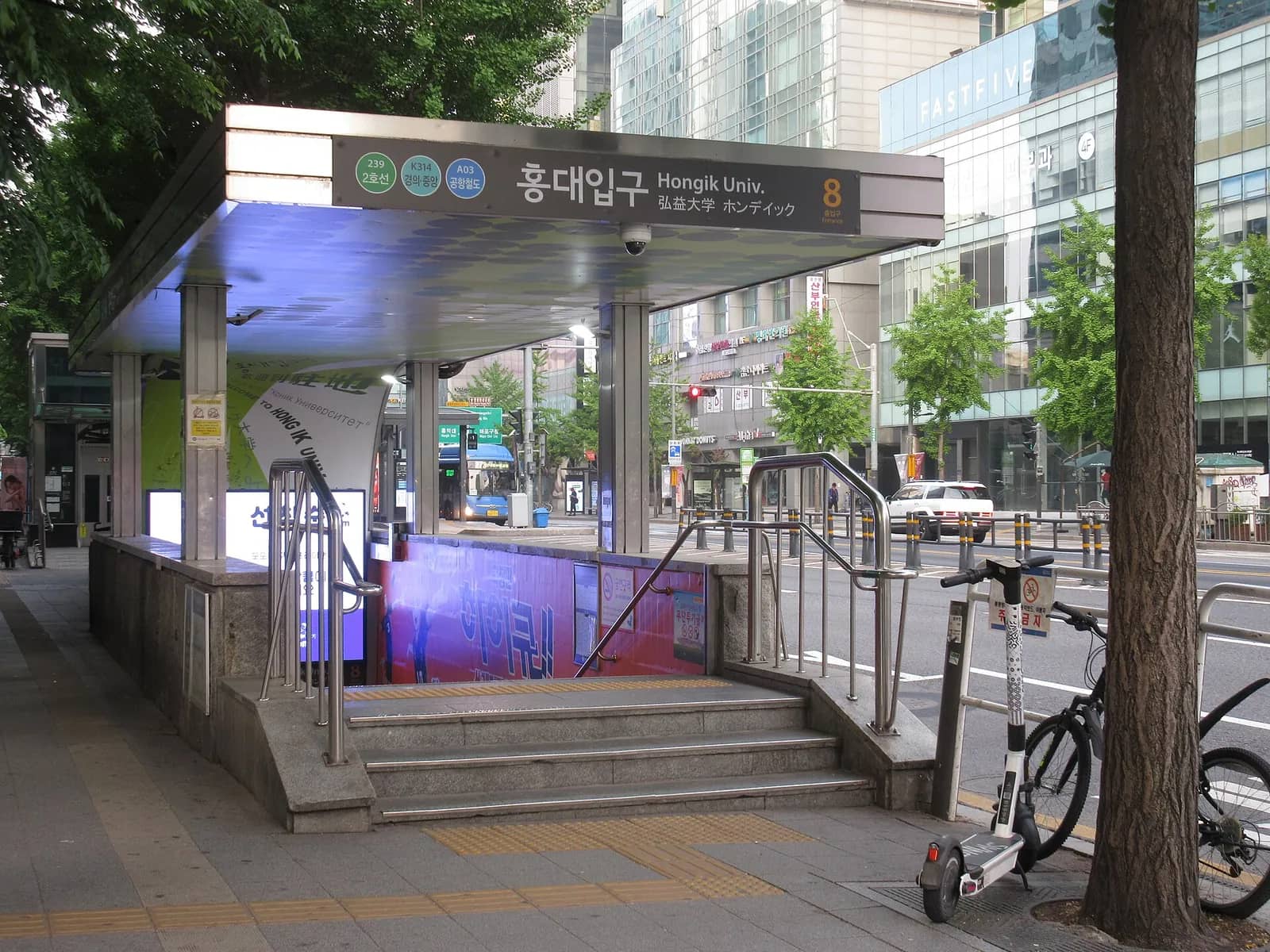
Meet at a named station, a numbered exit and a specific point such as street level beside the exit sign. Send a map pin as well. Large stations can have several connected areas, so “at the station” is not enough. Check the current station map for an elevator route and the exact last train for your journey.
Before you go
- Send the station name, line and numbered exit.
- Agree whether you’ll meet at street level.
- Check the station map if you need an elevator.
What should my meeting message include?
Send the station name, line, numbered exit, time and whether you mean street level. Add a map pin or a photo of the agreed sign. Confirm the same place in the messaging app you will use that day.
- Station name, written in English and Korean if possible.
- Exit number and a clear street-level landmark.
- Meeting time and a simple backup if one of you is delayed.
Why not just meet inside the station?
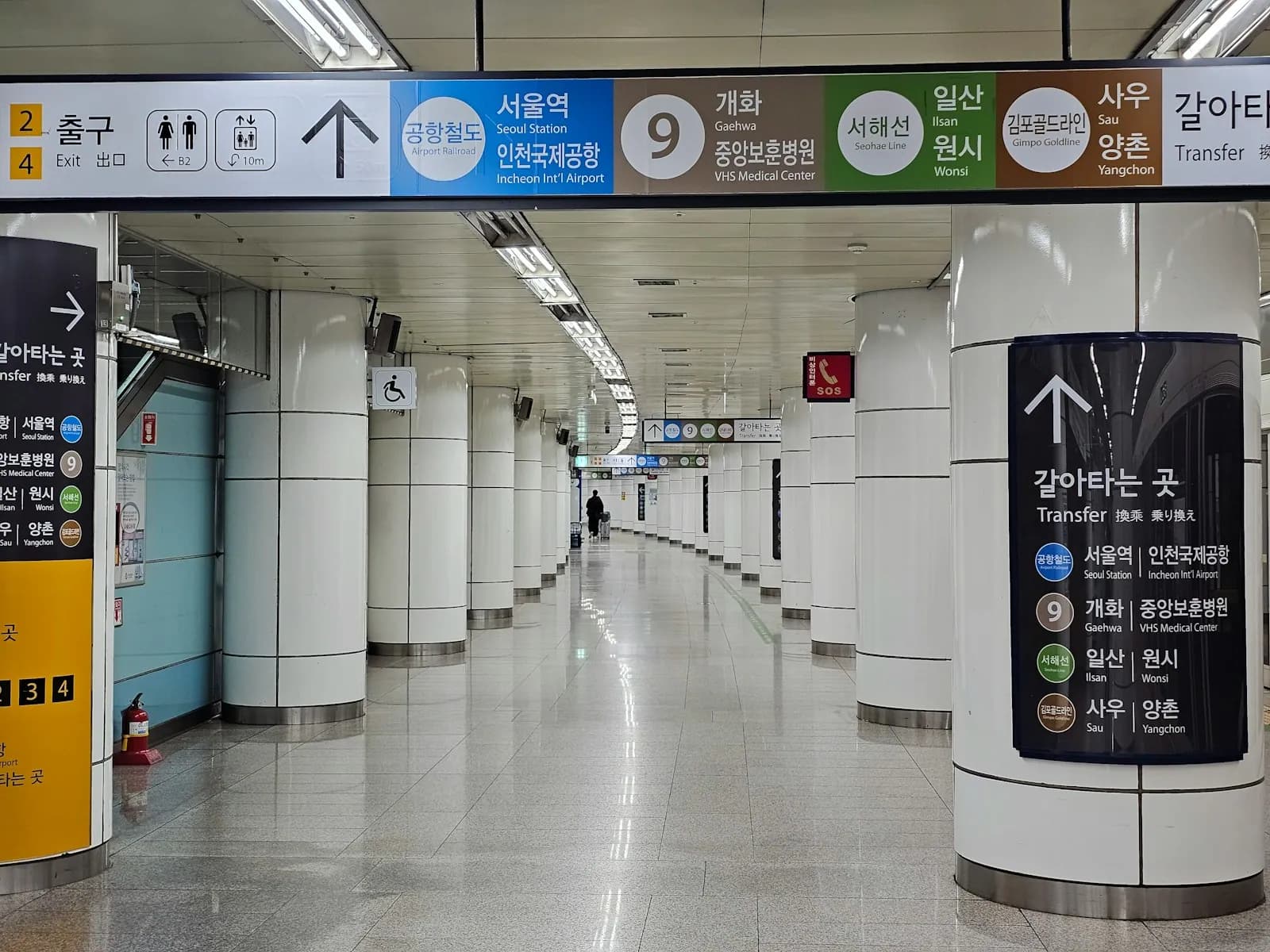
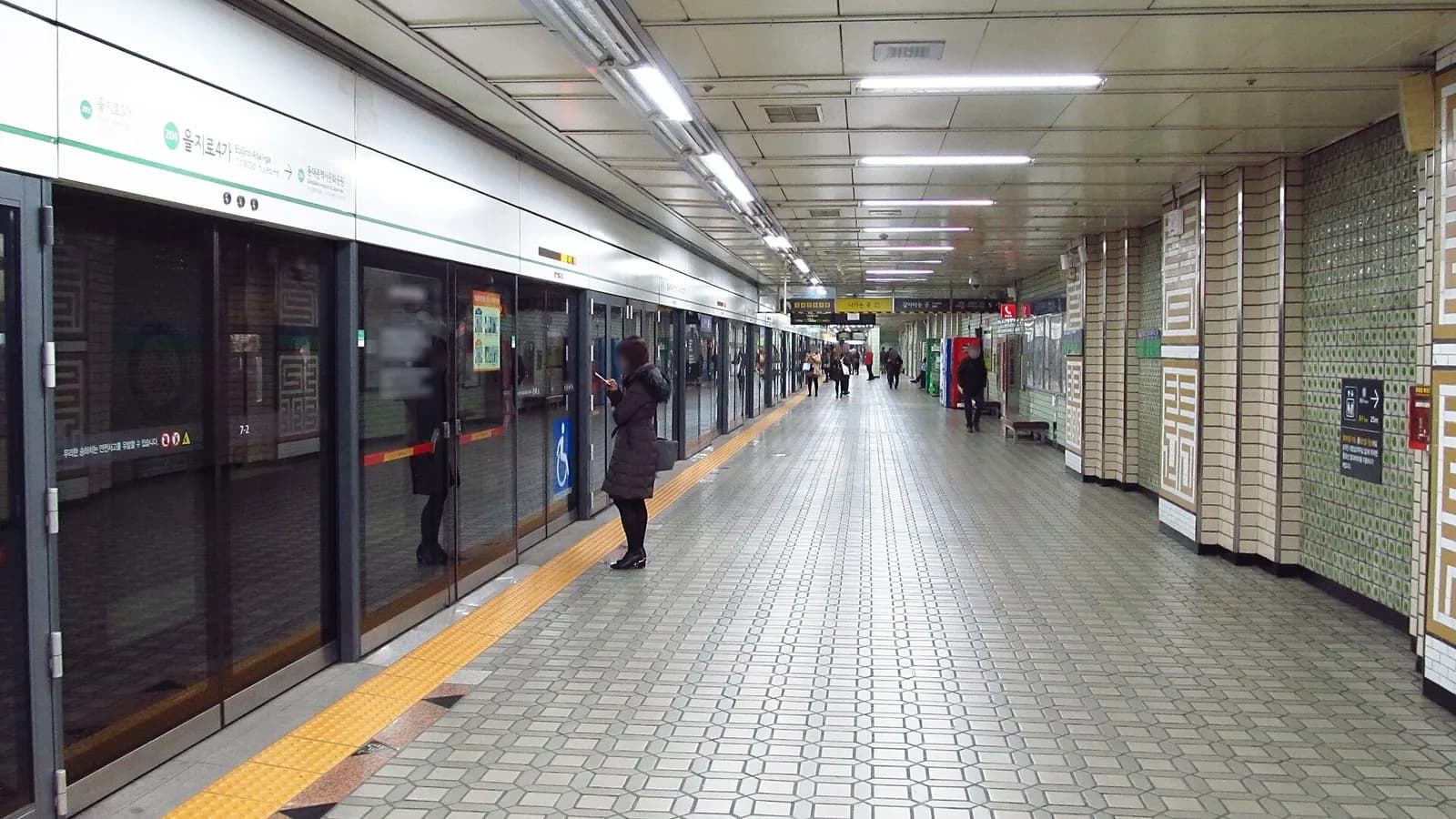
Ticket gates, platforms, shopping corridors and different lines can be far apart. If you meet inside, name a specific landmark and say whether it is inside or outside the paid area. Avoid blocking gates or stairs while waiting; move to a safe spot nearby and tell the other person exactly where you are.
What if I need an elevator or have a suitcase?
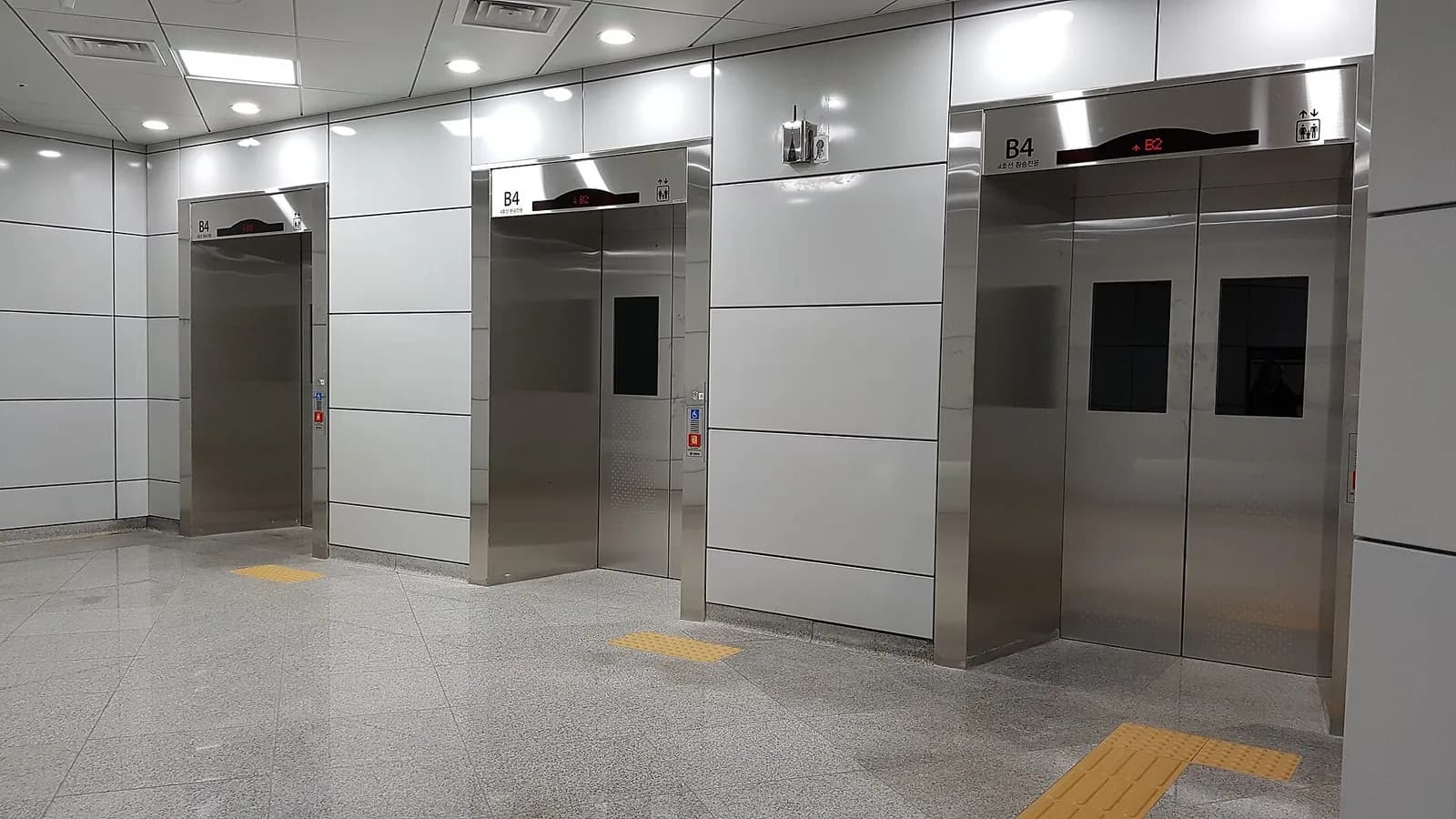
Use the station’s current accessibility map before agreeing on an exit. The most convenient numbered exit is not necessarily the step-free route. Agree to meet at the elevator’s street entrance if needed, and check for temporary closures or service notices. A map pin helps avoid crossing busy roads to reach the wrong side.
How do I plan the trip home?
Check the timetable for your exact station, direction, destination and day. Last-train times and train destinations vary; do not use a single “midnight” rule for Seoul. Confirm any required transfer and allow time to reach the platform.
- Look up the route in Seoul Metro’s official station and timetable tool.
- Check whether the final train actually reaches your destination.
- Agree on a backup way home before staying out later.
Good questions.
Is an exit number enough?
It is a good start, but add the station name and whether you mean street level. A map pin or an agreed landmark is useful at larger interchange stations.
Should I use the same exit if I need an elevator?
Not necessarily. Check the station’s current accessibility map and agree on the elevator entrance instead. The numbered exit beside your destination may have stairs or a different access route.
Are weekend last trains later than weekday trains?
Do not assume that. Timetables vary by line, direction and day. Check the exact journey in the official timetable or a current route planner before making an evening plan.
Sources & useful links
Plans and opening hours can change. Check the venue or official source before you go. How we put these guides together · Suggest a correction
Get a feel for the neighborhood.