Is Seoul friendly to foreign visitors?
Language, small gestures and expectations.
Here’s what to know.
Seoul is very easy for visitors and moderately reserved socially. Service is efficient, crime is low, signage and transport are foreigner-ready, and strangers will help you when asked. What Seoul does not have is casual small talk with strangers, which visitors from more outwardly social cultures often misread as coldness rather than as a different default.
Before you go
- Start with one shared interest.
- Choose a public place you can both find.
- Keep the plan simple and respect a no.
What does friendly mean in a Korean context?
Friendliness in Korea is expressed through action rather than through warmth of manner. Ask for directions and someone may walk you to the place rather than point. Drop something and three people will tell you. What you will not usually get is a smile from a stranger on the street or conversation with the person next to you on the subway, because neither is the norm.
A little more detail
Service interactions follow the same pattern. Staff are fast, correct and formal, and they do not perform friendliness the way staff in North America often do. A flat delivery is not rudeness; it is the standard register for a transaction between strangers.
Once you are introduced to someone, the register changes completely. Hospitality inside a relationship is generous, insistent and often surprising to visitors, which is exactly why getting the introduction matters more here than in many other cities.
How easy is Seoul to get around as a foreigner?
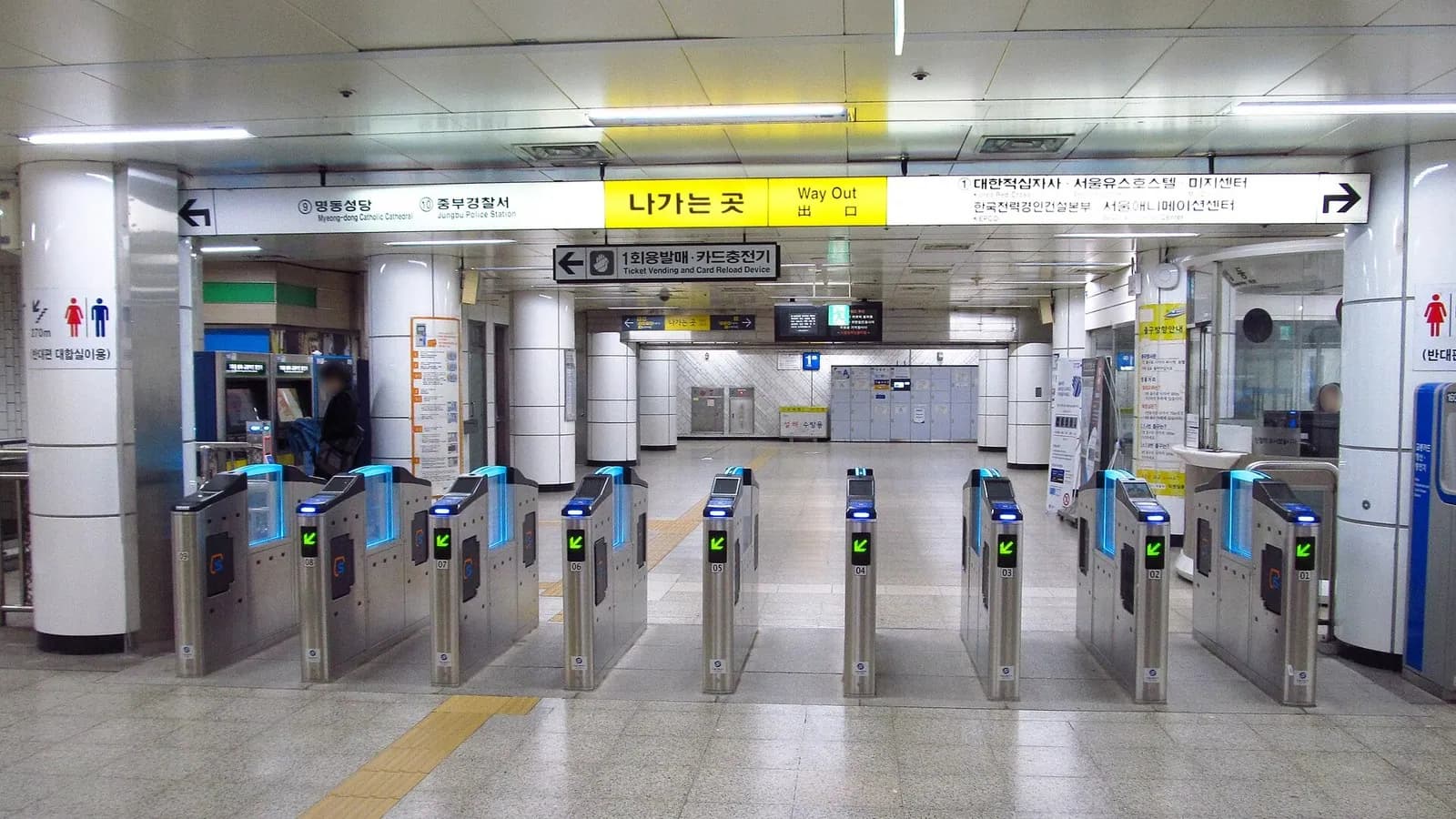
Practically, it is among the easiest large cities in the world. Subway stations carry numbered lines and station codes, announcements run in Korean, English, Chinese and Japanese, and every exit is numbered, which makes "exit 6" a reliable meeting point. A rechargeable T-money card works on subway, buses and most taxis.
A little more detail
The important exception is mapping. Google Maps cannot provide walking or driving directions inside Korea because of data export restrictions, so download Naver Map or Kakao Map before arriving. Transit directions in Google work; walking directions largely do not, and this catches out almost every first-time visitor.
Payment is nearly cashless. Cards are accepted almost everywhere including small restaurants, though a few market stalls and older shops still prefer cash, so carrying some notes is worth it around Gwangjang and Namdaemun.
Where is the friction for foreign visitors?
Language is the main one, and it is uneven. Signs, menus in tourist areas and transport are well covered in English. Neighborhood restaurants, older shops and anything outside the central districts frequently are not, and staff may be reluctant to attempt English even when they read it.
- Google Maps walking directions do not work in Korea
- Some booking apps require a Korean phone number or resident verification
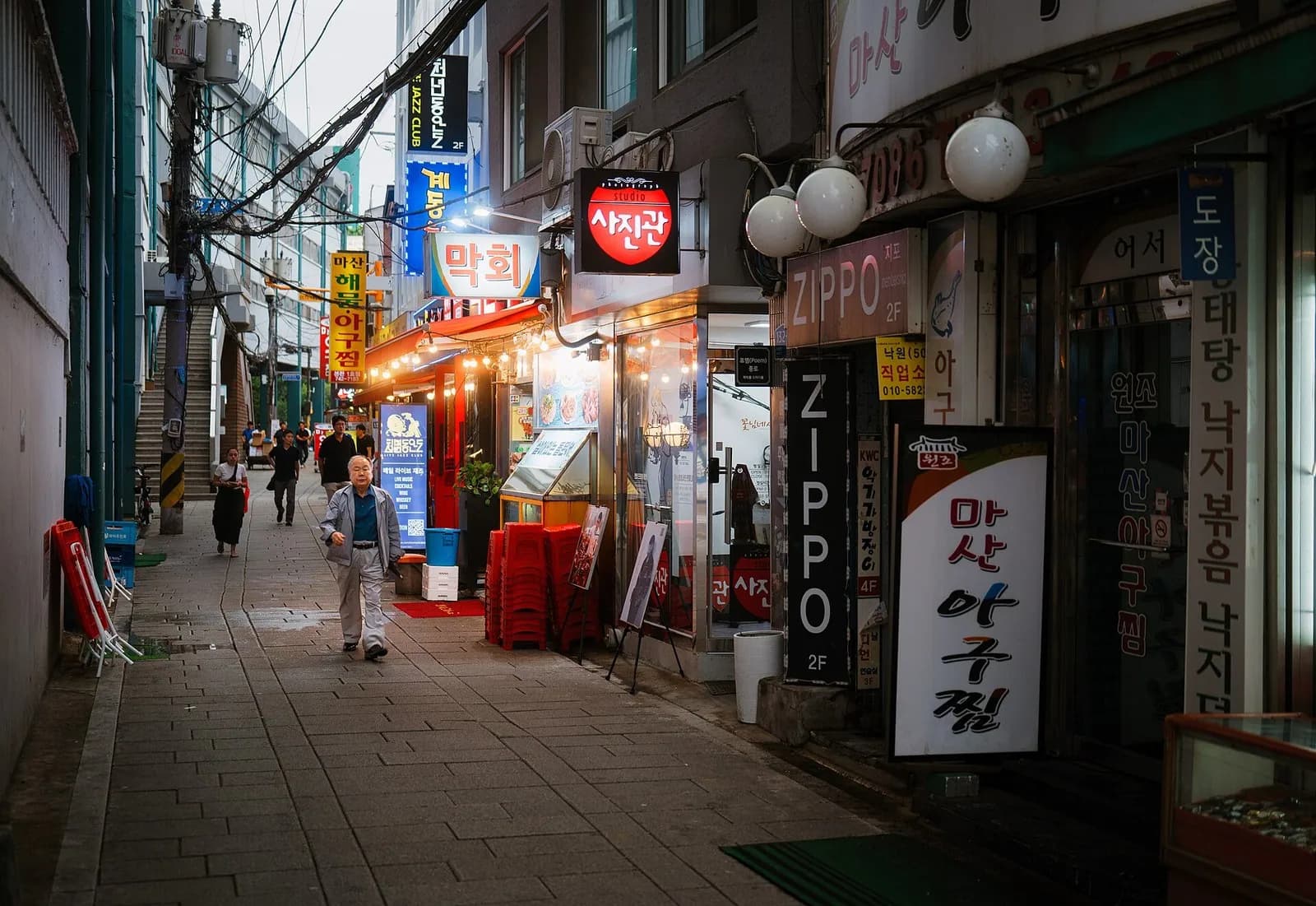
- Menus in residential neighborhoods are often Korean only
- Barbecue and stew restaurants may require a two-person minimum order
- Tipping does not exist and attempting it causes confusion
A little more detail
A second friction is that some businesses, particularly small bars and a few restaurants, prefer not to serve customers they cannot communicate with. This is not universal and it is less common than online discussion suggests, but it exists and it is worth knowing so that a refusal does not ruin an evening.
The third is reservation and app dependence. Popular restaurants, pop-ups in Seongsu and some exhibitions run bookings through Korean apps that require a Korean phone number or ID verification. This is the single most common reason a visitor cannot get into somewhere they planned around, and it is usually solvable only by someone with a Korean account.
How do Koreans generally view foreign visitors in 2026?
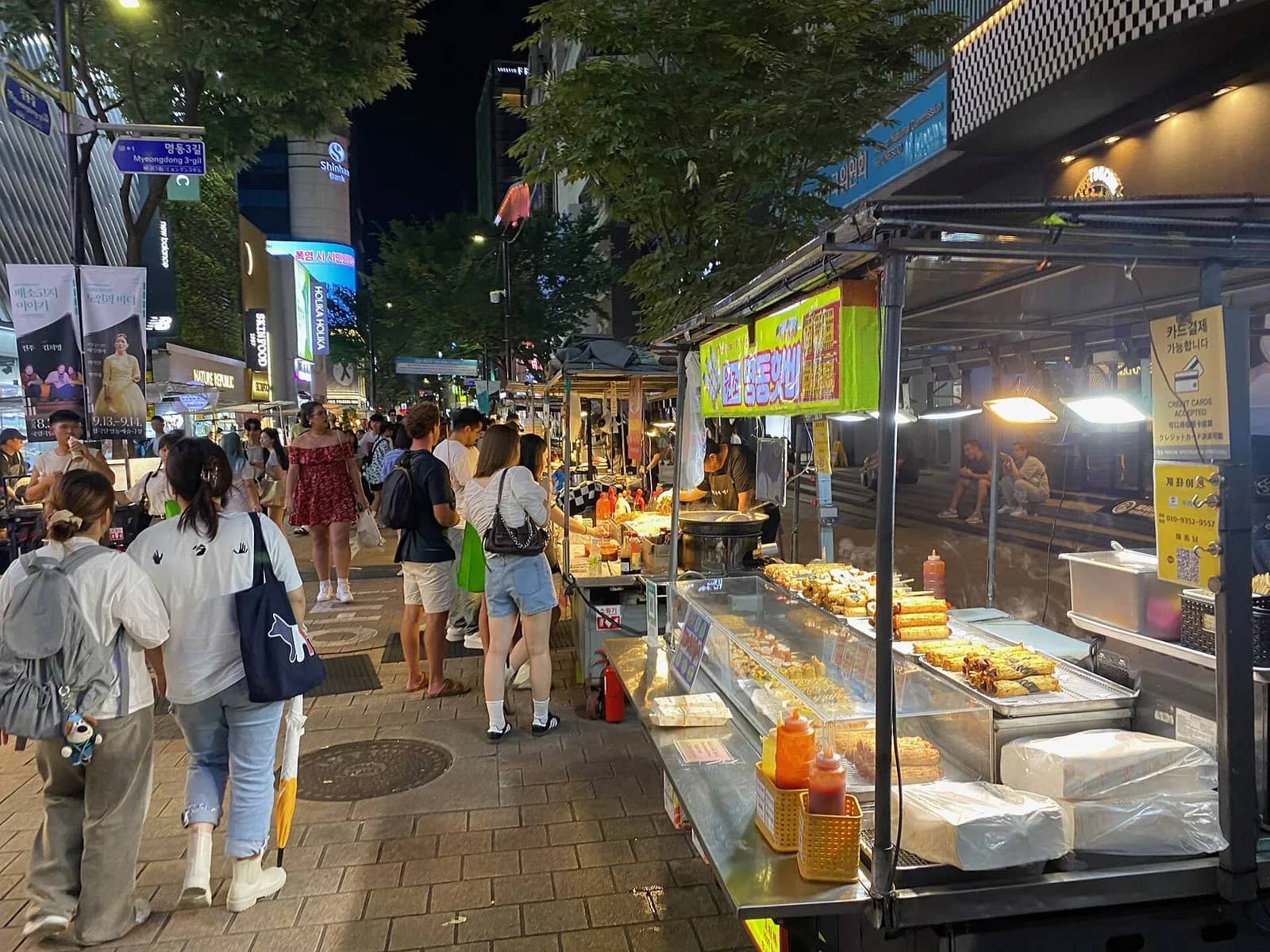
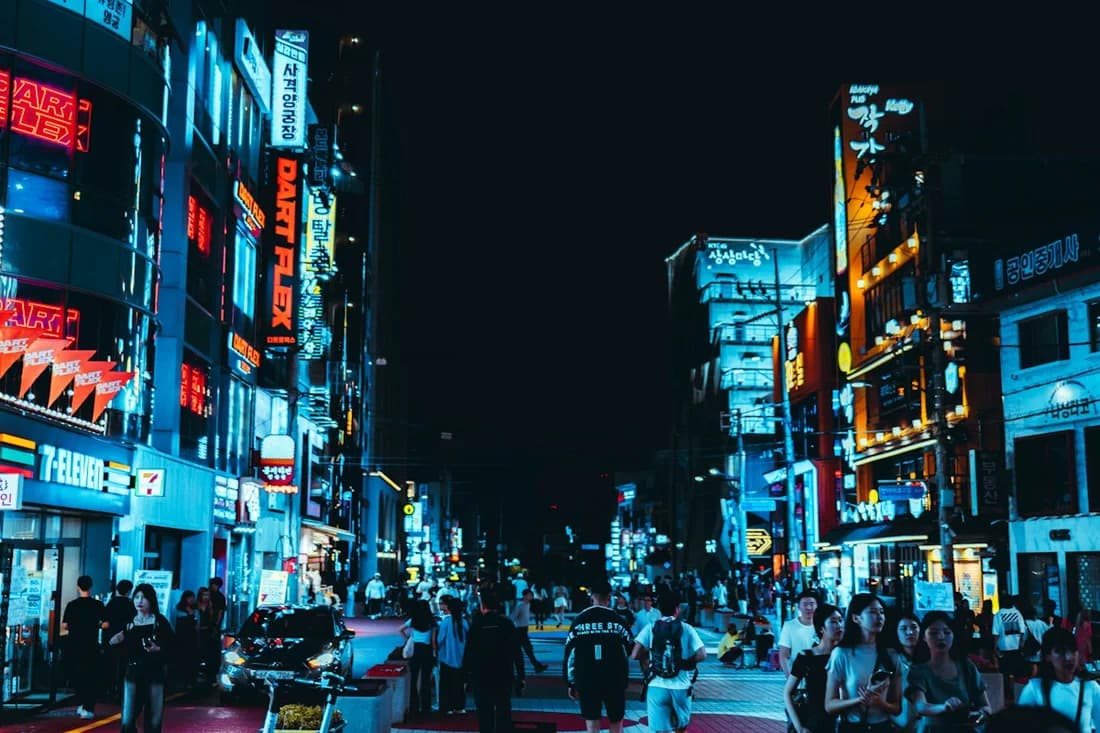
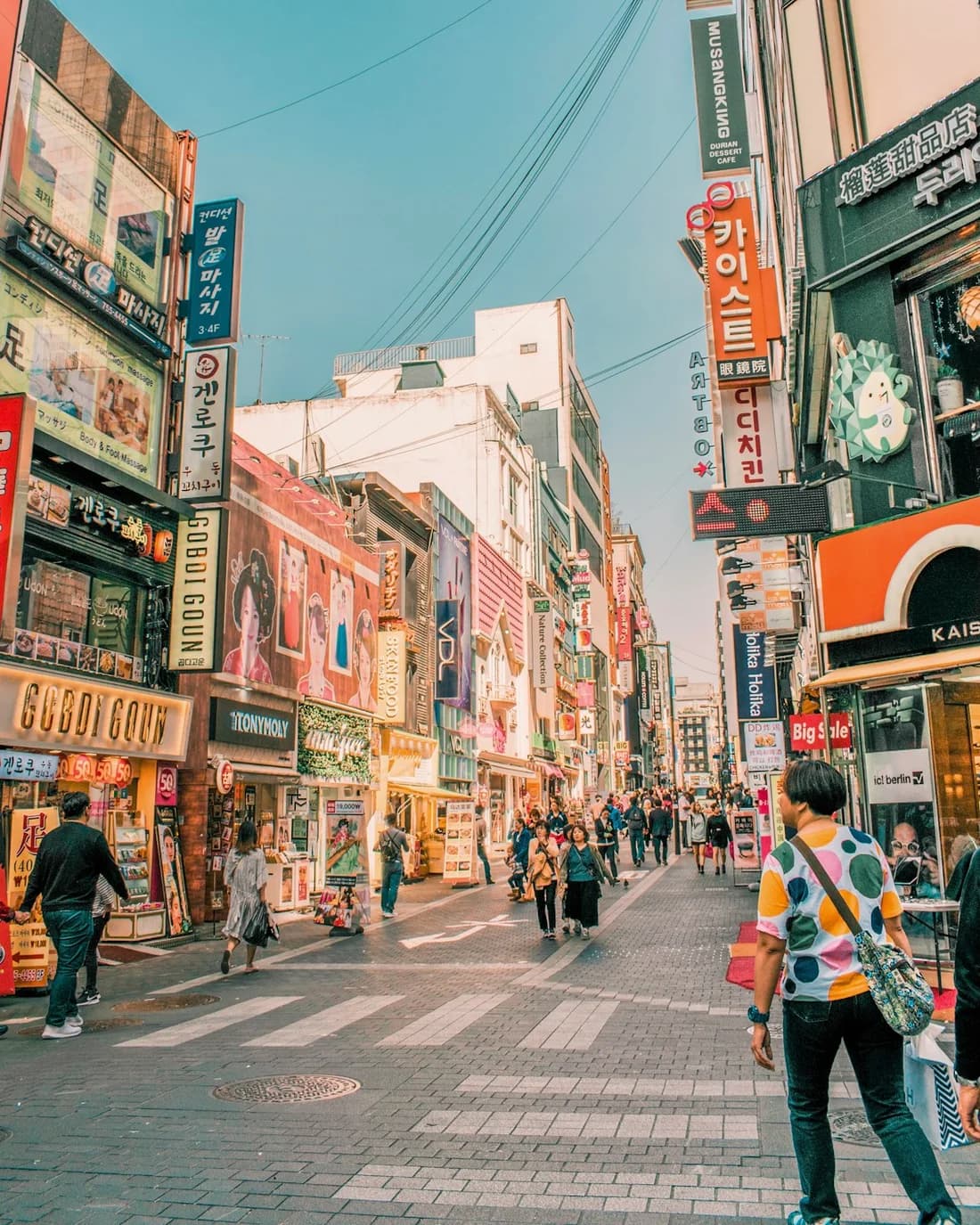
Seoul has been receiving very large numbers of foreign visitors, and central districts such as Myeongdong, Hongdae and Bukchon are thoroughly used to them. In those areas you are unremarkable. The attitude you meet is mostly neutral professionalism rather than either enthusiasm or hostility.
A little more detail
In residential districts, attention increases mildly and helpfulness usually does too. Curiosity about where you are from is common and is not intrusive by local standards. Older residents in particular may ask direct questions about age, marital status or job early in a conversation; this is normal Korean conversational structure rather than rudeness.
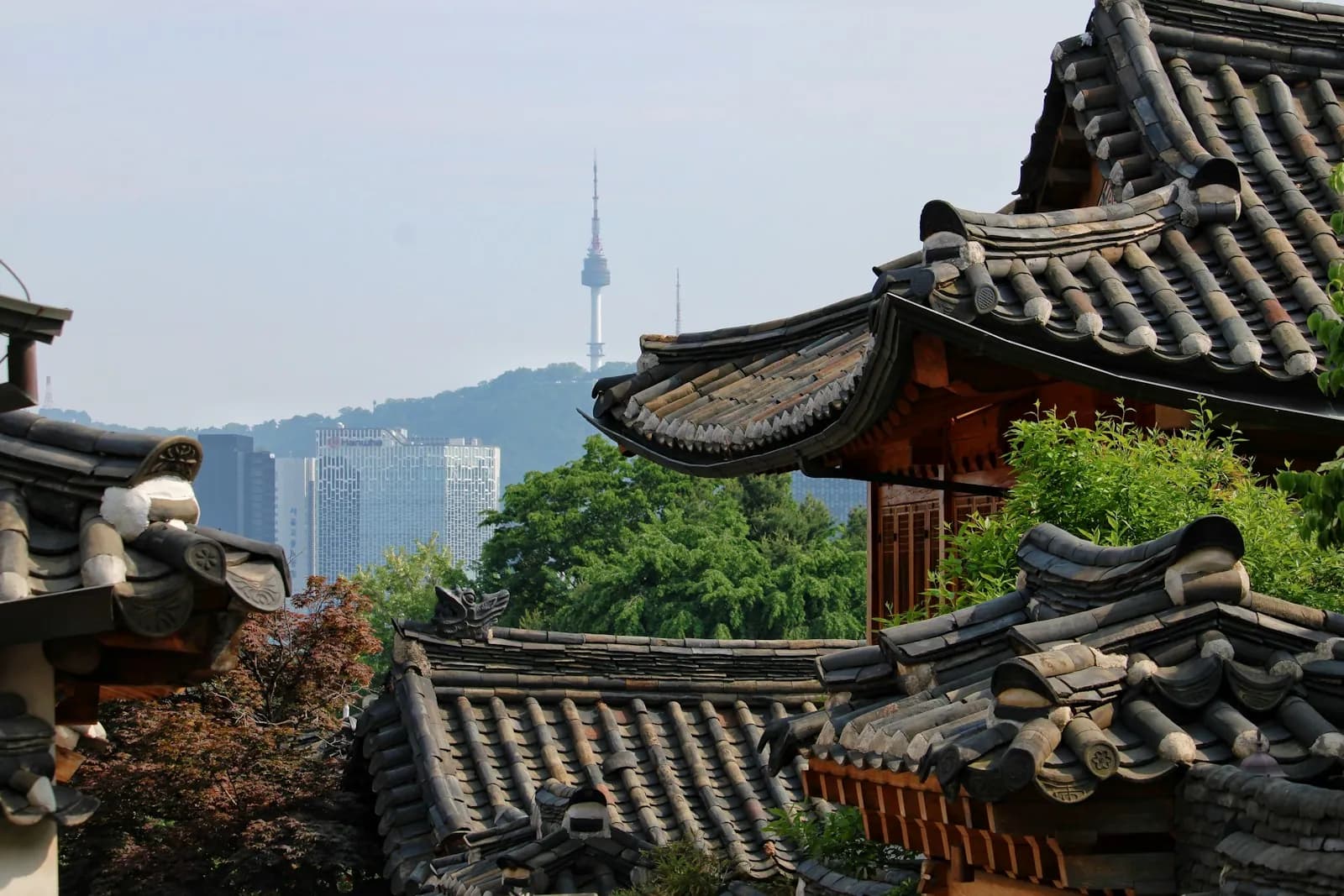
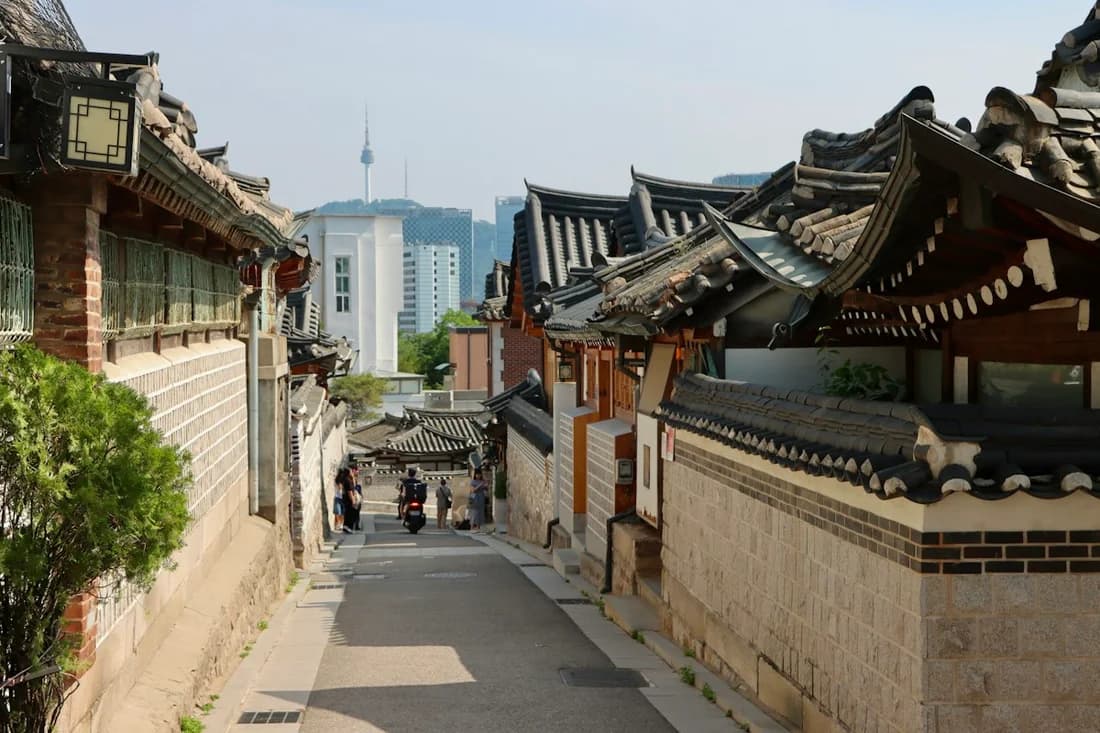
Where genuine tension exists, it is usually about behavior rather than nationality. Bukchon Hanok Village is a residential neighborhood where quiet-hour rules were tightened in recent years because of noise and trespass by visitors, and residents there are visibly tired of it. Keeping your voice down and staying off private steps is the whole of what is being asked.
What behavior makes a visitor welcome?
Follow the queue and volume norms, because these are the ones Koreans notice. Stand in line, keep phone calls off the subway, keep your voice low in residential streets and on public transport, and do not eat while walking in a crowded area. None of these is difficult, and all of them are visible.
A little more detail
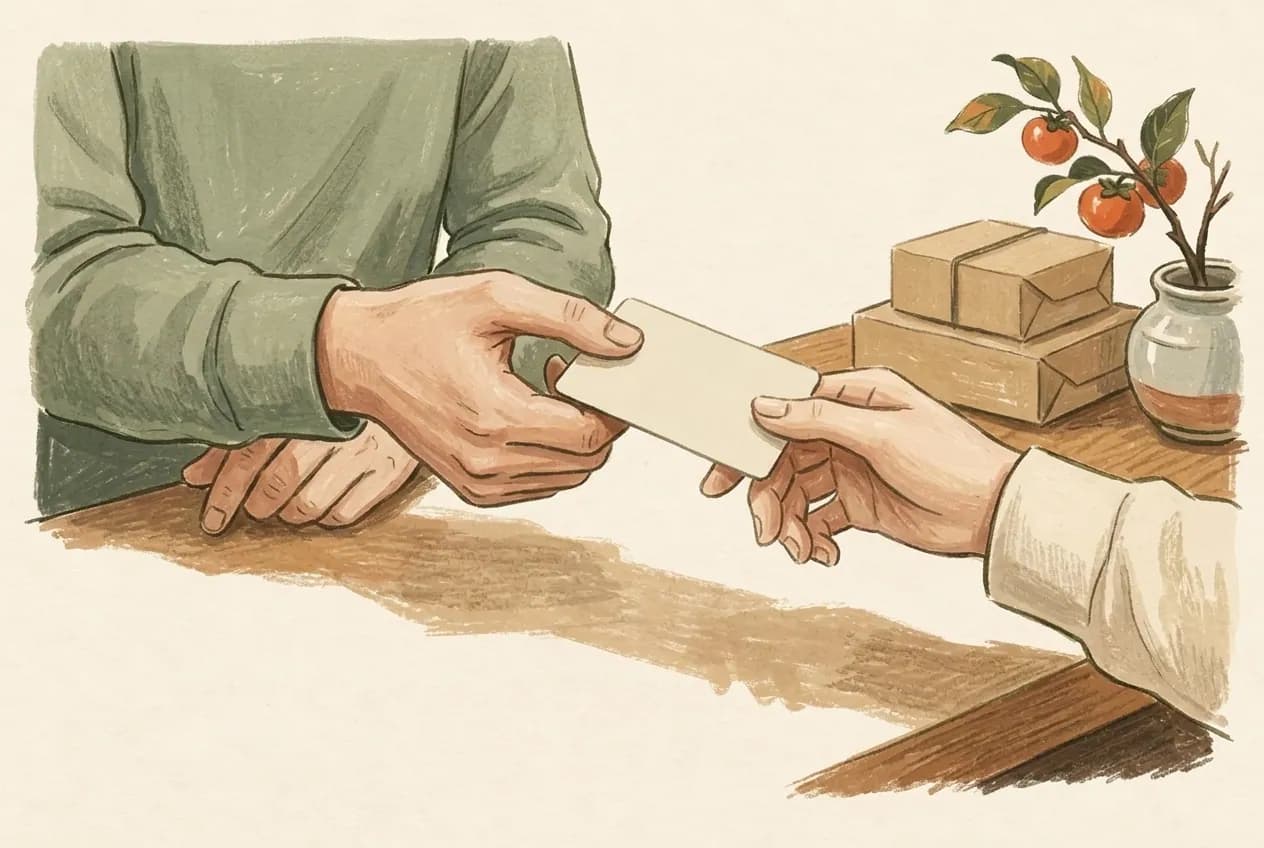
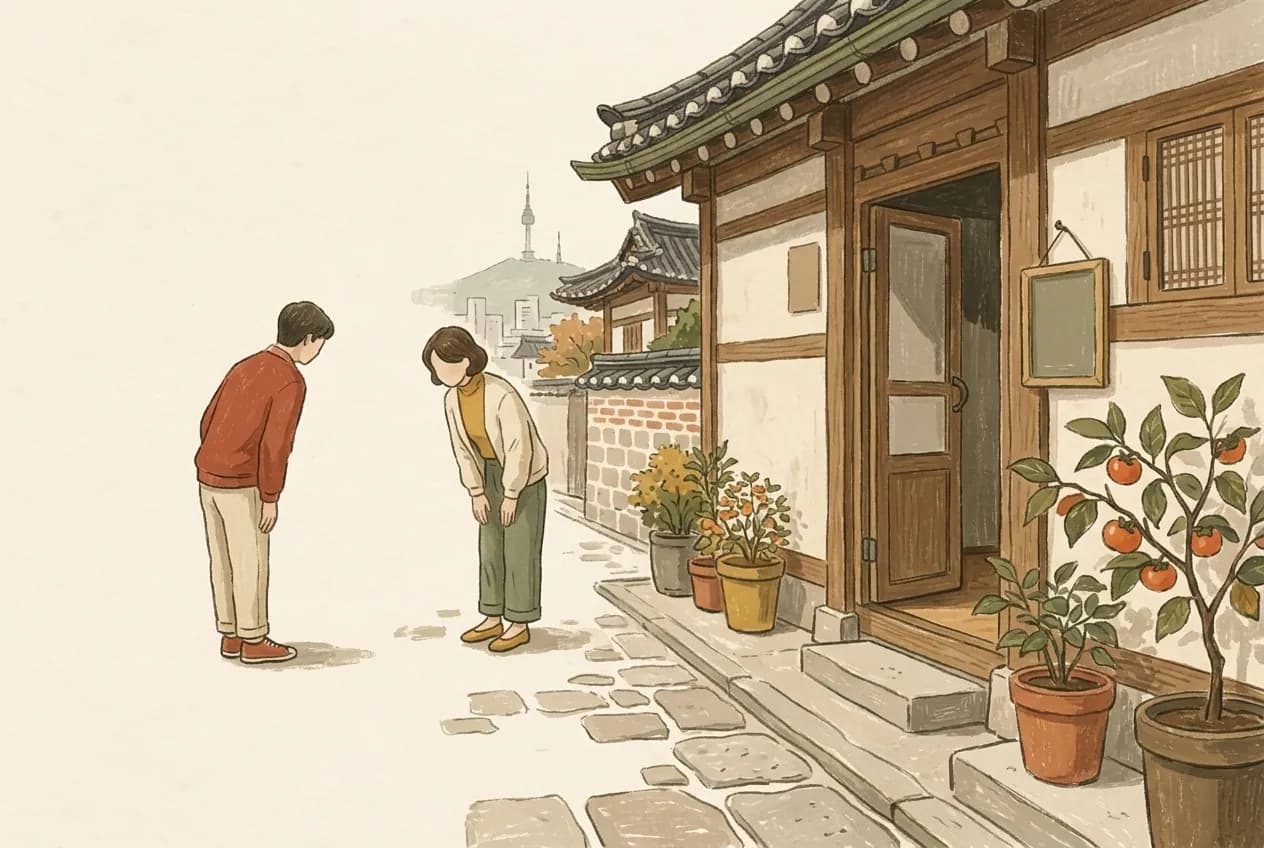
Use the two-hand convention. Receiving or giving anything to someone older, including money, a card or a glass, is done with two hands or with the left hand supporting the right forearm. It takes one trip to become automatic and it registers immediately.
Learn four phrases. "Annyeonghaseyo" (hello), "gamsahamnida" (thank you), "juseyo" (please give me, used when ordering) and "jeogiyo" (excuse me, used to call staff). Calling staff across a restaurant with "jeogiyo" is expected in Korea and is not impolite, which surprises visitors who have been trained to wait to be noticed.
Does having a local contact change the experience?
It changes access more than it changes hospitality. A resident can call a restaurant that does not take foreign bookings, read a Korean-only menu, and know that a particular alley empties out after eight. Those are ordinary abilities that are unavailable to a visitor no matter how well prepared.
A little more detail
It also shifts your position from spectator to guest in a way that is specific to Korea, where the host usually takes responsibility for the outing. Services such as localseoul match travelers with ID-verified residents for coffee, food or a walk on that basis, at no cost during early access. It is a social introduction rather than a guide service, so the resident is a person you are meeting, not someone working for you.
Good questions.
Do people in Seoul speak English?
Enough for transport, tourist districts and chains, less so in neighborhood restaurants and small shops. Many residents read English better than they speak it, so writing or showing text often works when speaking does not. Papago handles the rest and using it openly is normal.
Is Seoul safe for foreign visitors?
Yes by most measures. Violent street crime is rare, public transport is safe late at night, and lost property is frequently returned. The practical risks are inflated bills at bars you were invited into off the street and pressure to keep drinking, both of which are avoidable.
Do I need to tip in Korea?
No. There is no tipping culture in restaurants, taxis, hotels or salons, and staff may try to return money you leave. Service charges are included where they apply. Attempting to tip creates awkwardness rather than goodwill.
Are there places in Seoul that refuse foreign customers?
A small number of bars and restaurants do decline customers they cannot communicate with, usually stating it as a language policy. It is uncommon in central districts and is not a general pattern in the city, but it happens often enough that it is worth knowing in advance.
Is it rude to ask a Korean their age?
No, and you may well be asked yours first. Age determines which speech level and which terms of address are appropriate in Korean, so establishing it early is functional rather than personal. Answering directly is fine and ends the question.
Plans and opening hours can change. Check the venue or official source before you go. How we put these guides together · Suggest a correction
Get a feel for the neighborhood.
Keep exploring.
All guides ↗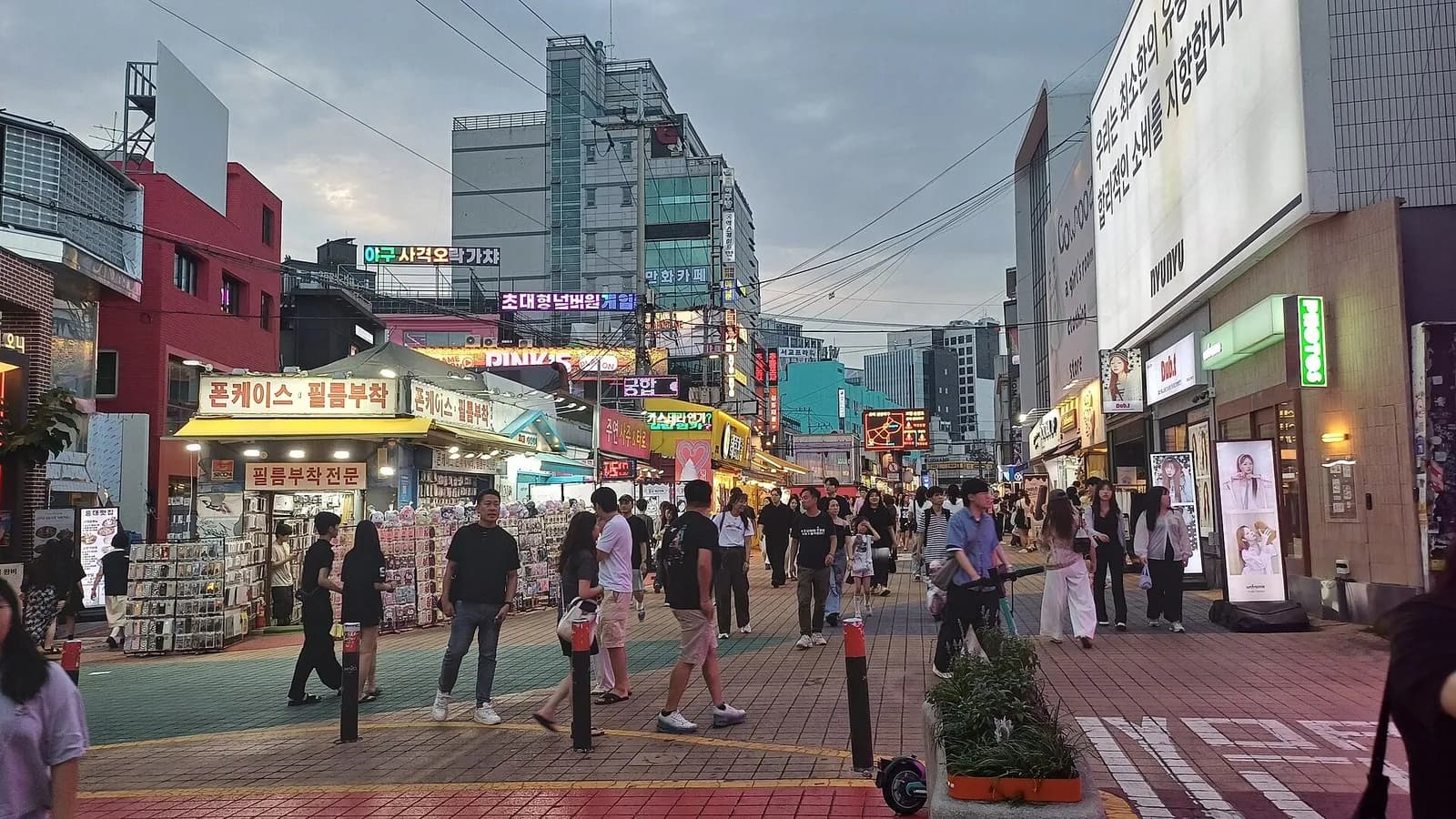 Make friends
Make a friend, not an itinerary
A coffee is a good place to start.
 Make friends
The first hello
A few small things that help.
 Make friends
What should we talk about?
Start with curiosity, skip the interview.