Sinsa and Garosu-gil with a local
A Sinsa stroll beyond the main road.
Here’s what to know.
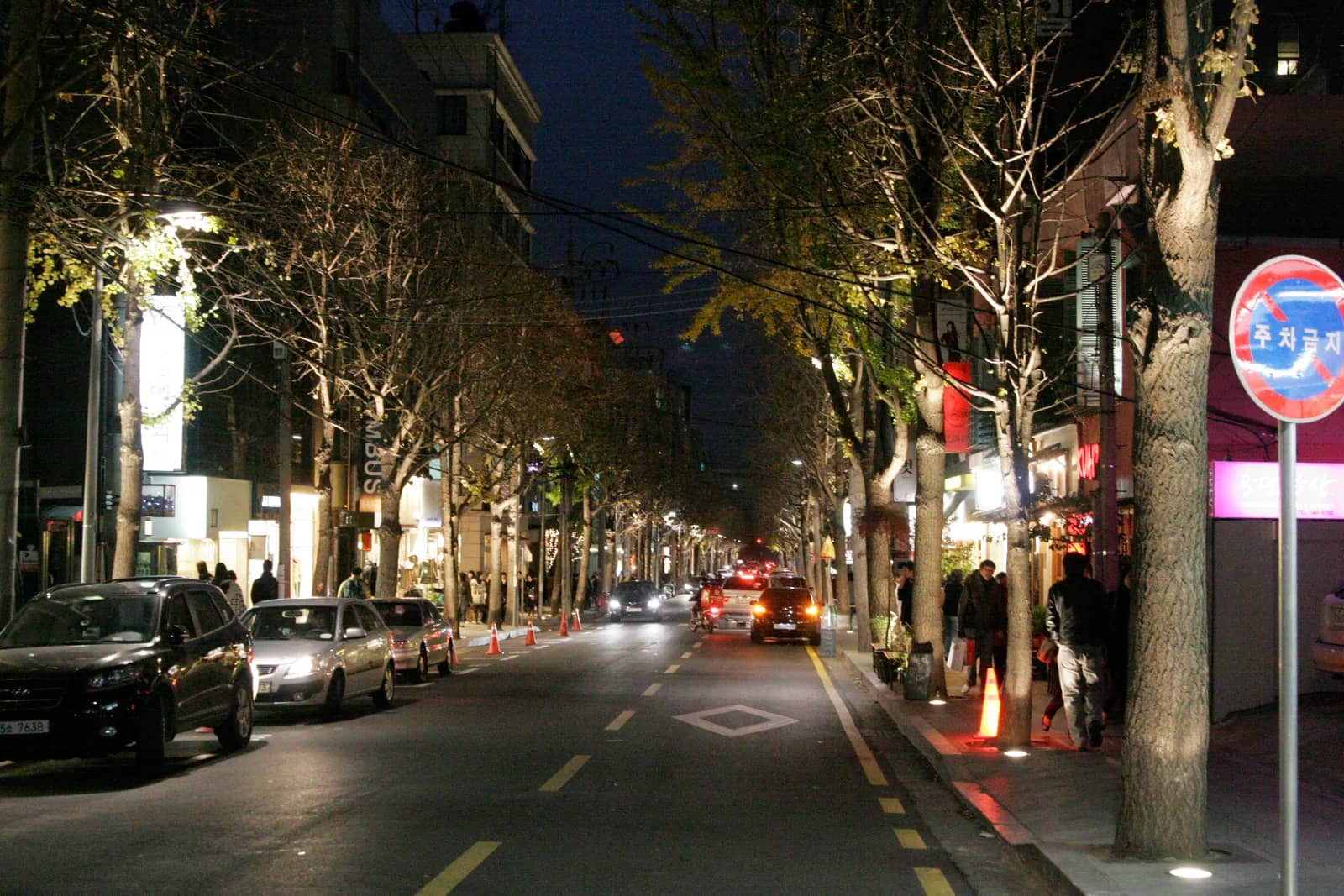
Sinsa-dong is in Gangnam-gu, just south of the Han River. Its main draw is Garosu-gil, a ginkgo-lined street of flagship stores and cafes running north from Sinsa Station on subway line 3 and the Sinbundang line. The back alleys beside it are quieter, and Apgujeong and Dosan Park lie east.
Before you go
- Pin your arrival station and a meeting place.
- Check today’s opening hours before setting out.
- Leave time to walk and choose an indoor backup.
What is Garosu-gil?
Garosu-gil means tree-lined street, and the name is literal: a roughly seven-hundred-meter stretch of Sinsa-dong planted with ginkgo trees, running north from near Sinsa Station toward the river. It became Seoul's first street of independent boutiques and cafes in the 2000s and has since filled with brand flagships and beauty stores.
A little more detail
Its character has changed with rents. The independent shops that made its reputation largely moved into the parallel back alleys, which Koreans nickname Serosu-gil and Naerosu-gil, and those alleys are now where the smaller cafes, wine bars and studios are.
In late autumn the ginkgos turn yellow, which is the street's best moment and also its most crowded. The trees also drop fruit that smells strongly, a detail no guidebook mentions and every resident knows.
How do you get there, and what is nearby?
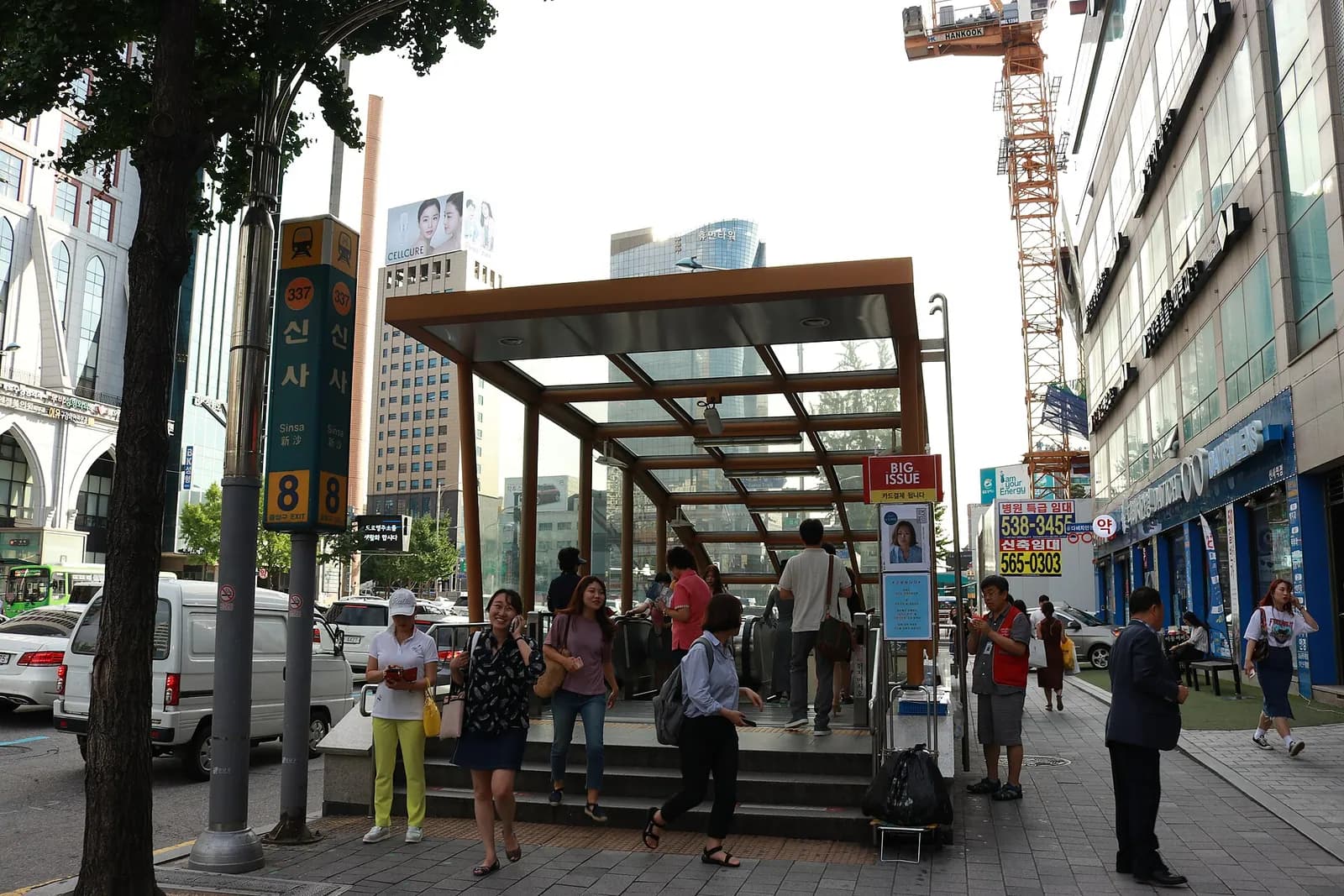
Sinsa Station serves subway line 3 and the Sinbundang line; exit 8 puts you at the southern end of Garosu-gil. The street runs north for about ten minutes' walk, ending near the Han River road.
| Garosu-gil (Sinsa) | Apgujeong / Dosan | |
|---|---|---|
| Main use | Flagship shopping, cafes | Fine dining, design offices, clinics |
| Price level | High | Higher |
| Street form | One long tree-lined street plus back alleys | Wide roads, low density |
| Station | Sinsa (line 3, Sinbundang) | Apgujeong Rodeo (Suin-Bundang) |
| Best time | Afternoon into early evening | Evening |
A little more detail
East of Sinsa, the Apgujeong area continues the same register at a higher price: Apgujeong Rodeo Station on the Suin-Bundang line sits beside the redeveloped Rodeo street, and Dosan Park, a small green square surrounded by restaurants and design offices, is between the two.
Apgujeong is also Seoul's cosmetic-surgery district, with clinics concentrated along the main roads. Visitors sometimes come for consultations; that is a separate kind of trip and worth researching independently rather than treating as sightseeing.
Is Garosu-gil still worth going to in 2026?
It depends what you want. As a shopping street it has become predictable — many of the same global and Korean brands you would find in a large mall, at street level under trees. As a walk it remains one of the more pleasant streetscapes in Gangnam, which is otherwise built for cars.
A little more detail
The honest recommendation from residents is to walk Garosu-gil once for the trees and the flagships, then spend the actual time in the back alleys one block either side, where the independent places went. The two are thirty seconds apart and feel unrelated.
If your interest is Korean fashion labels specifically, Seongsu north of the river has taken much of that energy since the early 2020s. Sinsa now leans more toward beauty and established brands.
What do you eat and drink around Sinsa?
Sinsa is a cafe and brunch district before it is a restaurant one. Dessert cafes, bakeries and specialty coffee are dense along and beside Garosu-gil, and many stay open late enough to work as an after-dinner stop.
A little more detail
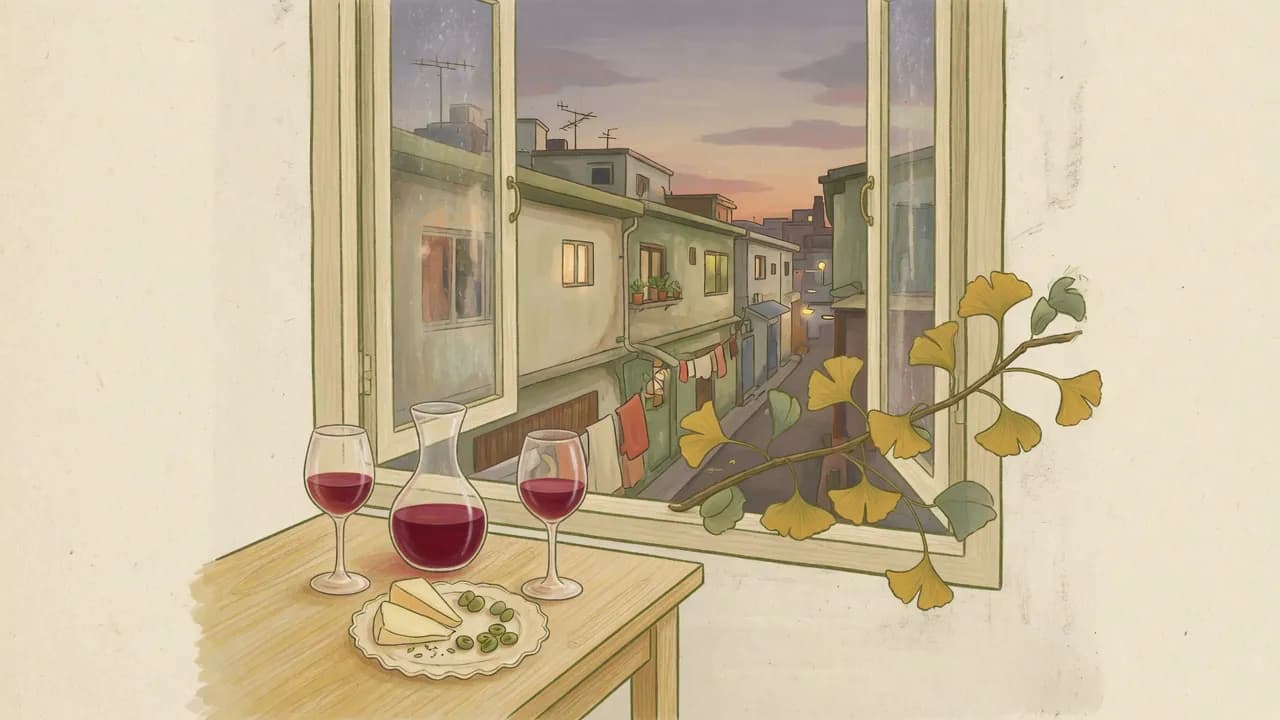
For meals, the back alleys hold small Italian, Japanese and modern Korean kitchens at Gangnam prices, and the area south toward Sinsa Station has the ordinary Korean lunch places that serve the surrounding offices. The gap between the two price levels is large and is not visible from the street.
Drinking here means wine bars and cocktail bars rather than the tent-and-soju model of Jongno. It is one of the easier parts of Seoul to have a quiet drink with conversation, and one of the more expensive.
How does this fit into a Gangnam day?
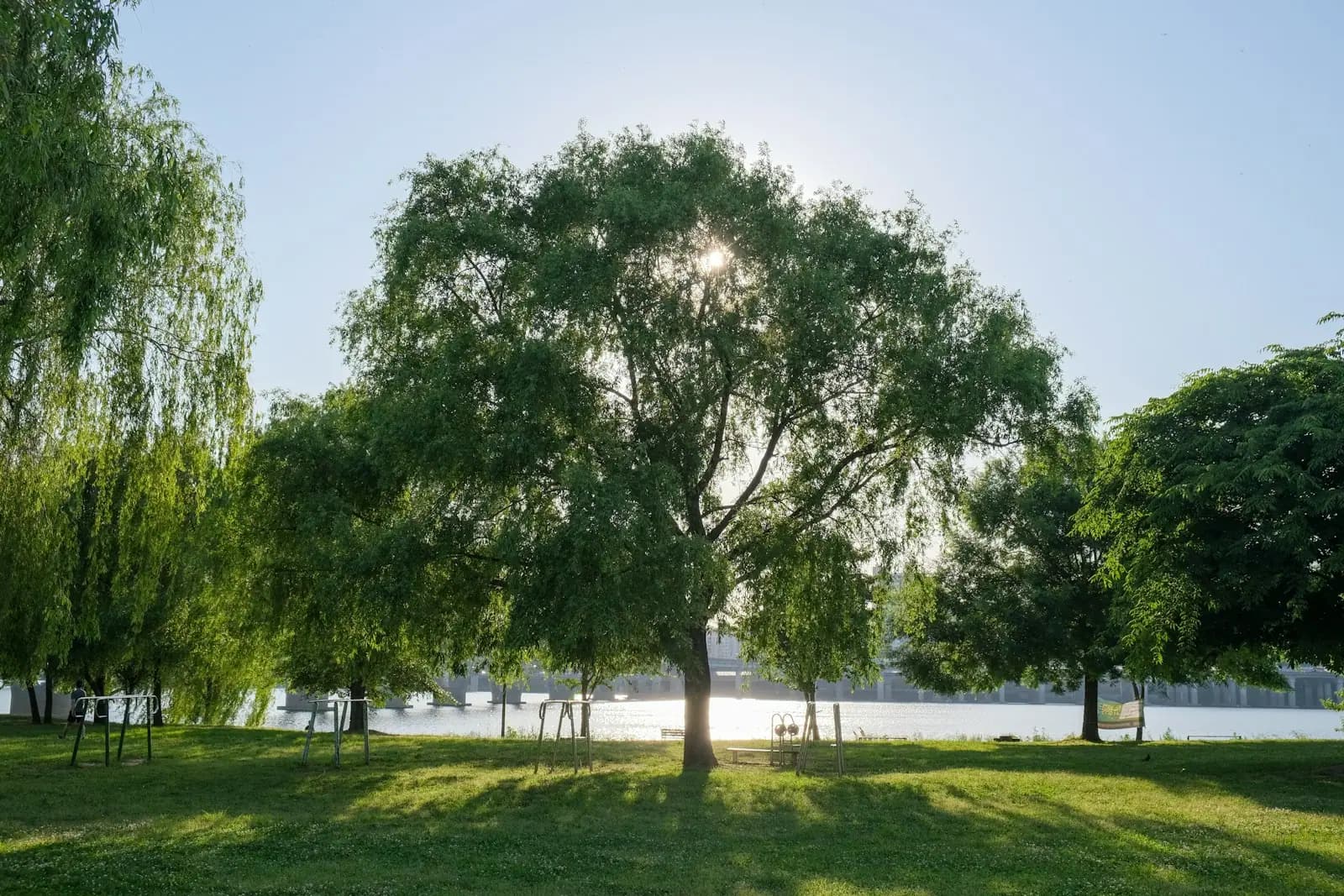
Sinsa is the northwest corner of Gangnam-gu and pairs naturally with the river rather than with Gangnam Station, which is twenty minutes south and a different environment entirely. A common local sequence is Garosu-gil in the afternoon, Dosan Park or Apgujeong for dinner, then the riverside at Jamwon or Banpo.
A little more detail
It is also the shortest hop from the Itaewon and Hannam side: Hannam Bridge connects them directly, so a taxi between Hannam-dong and Sinsa takes only a few minutes outside rush hour.
localseoul matches travelers with ID-verified Seoul residents for coffee, food or a walk, free during early access, and Sinsa falls inside the Gangnam area of the early-access pilot. It is a social introduction, not a shopping tour.
Good questions.
Which exit is Garosu-gil from Sinsa Station?
Exit 8 of Sinsa Station, served by subway line 3 and the Sinbundang line, puts you at the southern end of the street. From there Garosu-gil runs north for about seven hundred meters toward the Han River road.
What is Serosu-gil?
A nickname for the narrow back alleys running parallel to Garosu-gil. As rents on the main street rose, many independent cafes, wine bars and small shops moved one block over, so the alleys now hold much of what made the area's reputation.
Is Garosu-gil expensive?
The main street is, since it is mostly brand flagships and dessert cafes in one of Seoul's most expensive districts. The back alleys and the ordinary restaurants nearer Sinsa Station are noticeably cheaper, though still above the city average.
When are the ginkgo trees yellow on Garosu-gil?
Generally late autumn, with Seoul's ginkgo color usually peaking around late October into November depending on the year. That is also when the street is busiest, so early morning on a weekday is the calmer option.
Plans and opening hours can change. Check the venue or official source before you go. How we put these guides together · Suggest a correction
Keep exploring.
All guides ↗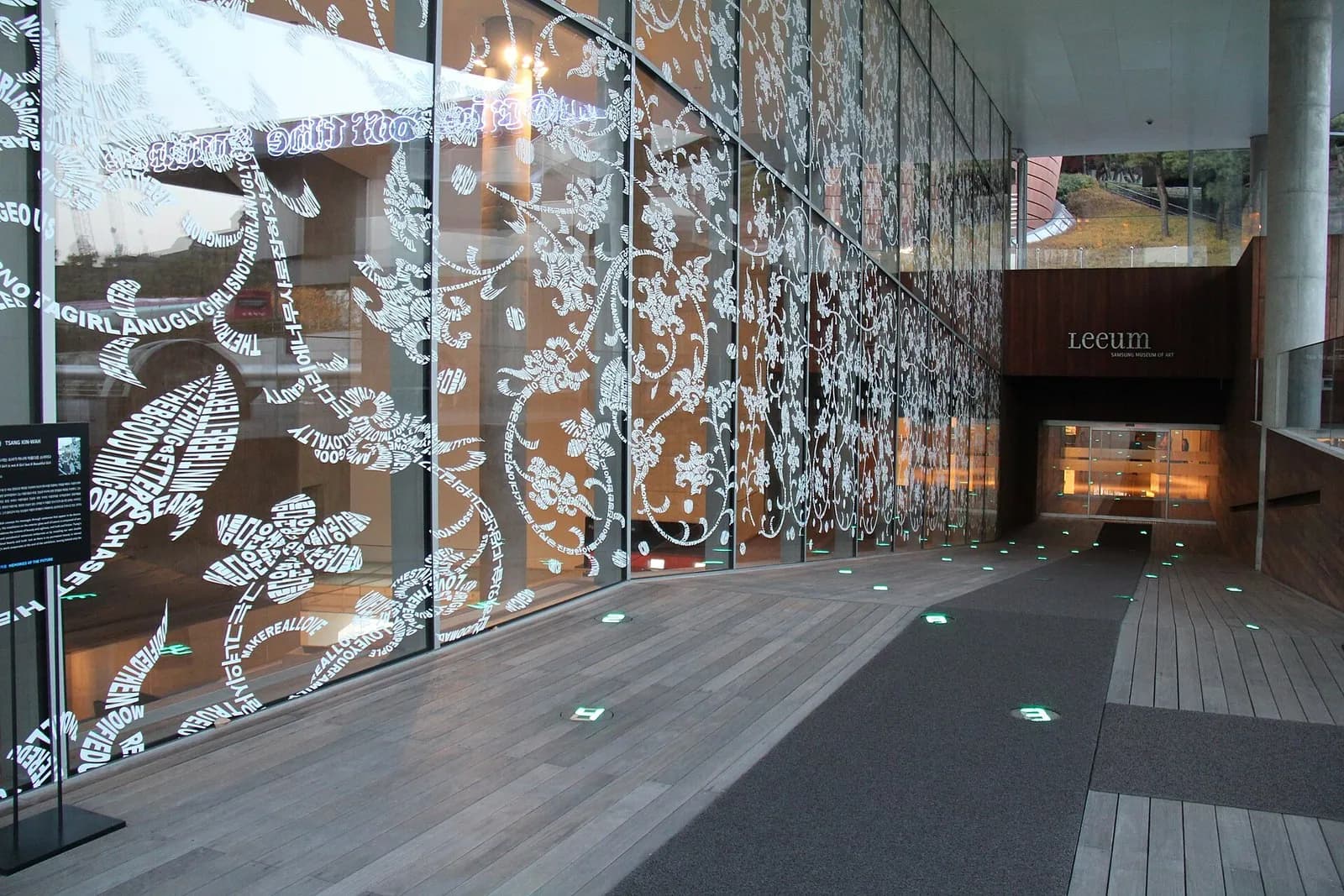 Neighborhoods
A wander through Hannam
Design, galleries and hilly side streets.
 Neighborhoods
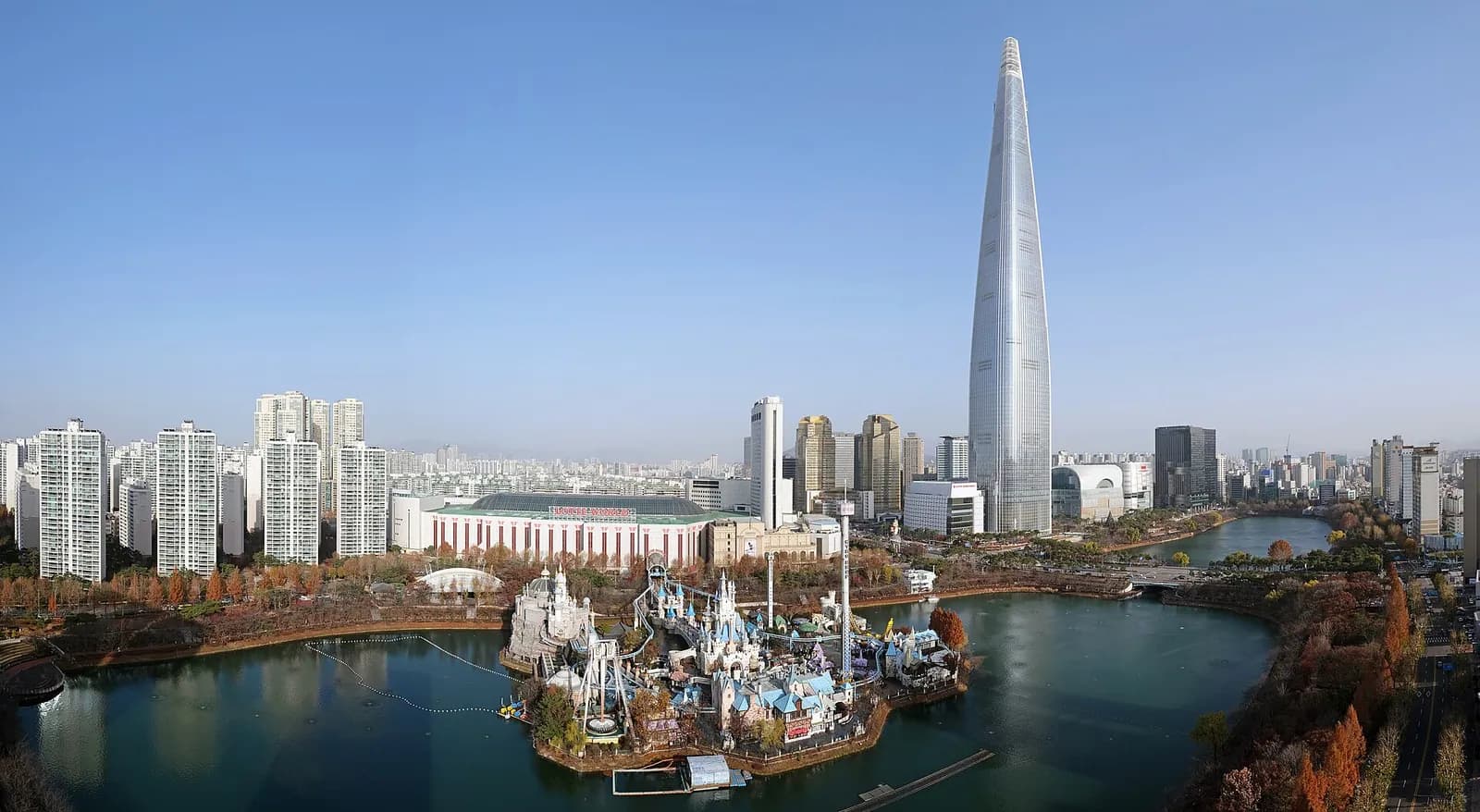
A lakeside day in Jamsil
Space to walk, with an indoor backup.
 Everyday know-how
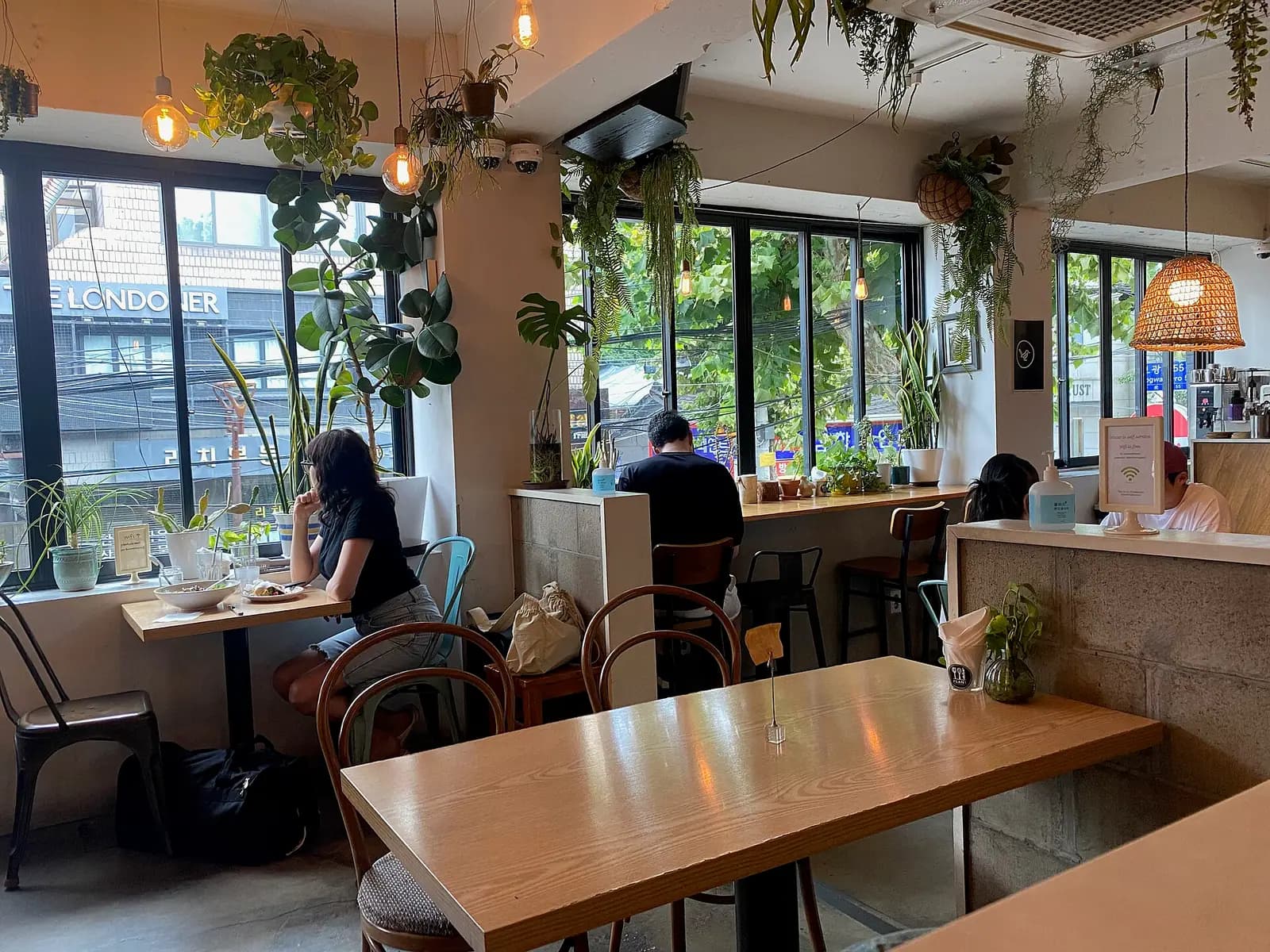
Let’s get coffee
Order, settle in, know the house rules.