Hannam-dong and the Hangang side of Yongsan
Design, galleries and hilly side streets.
Here’s what to know.
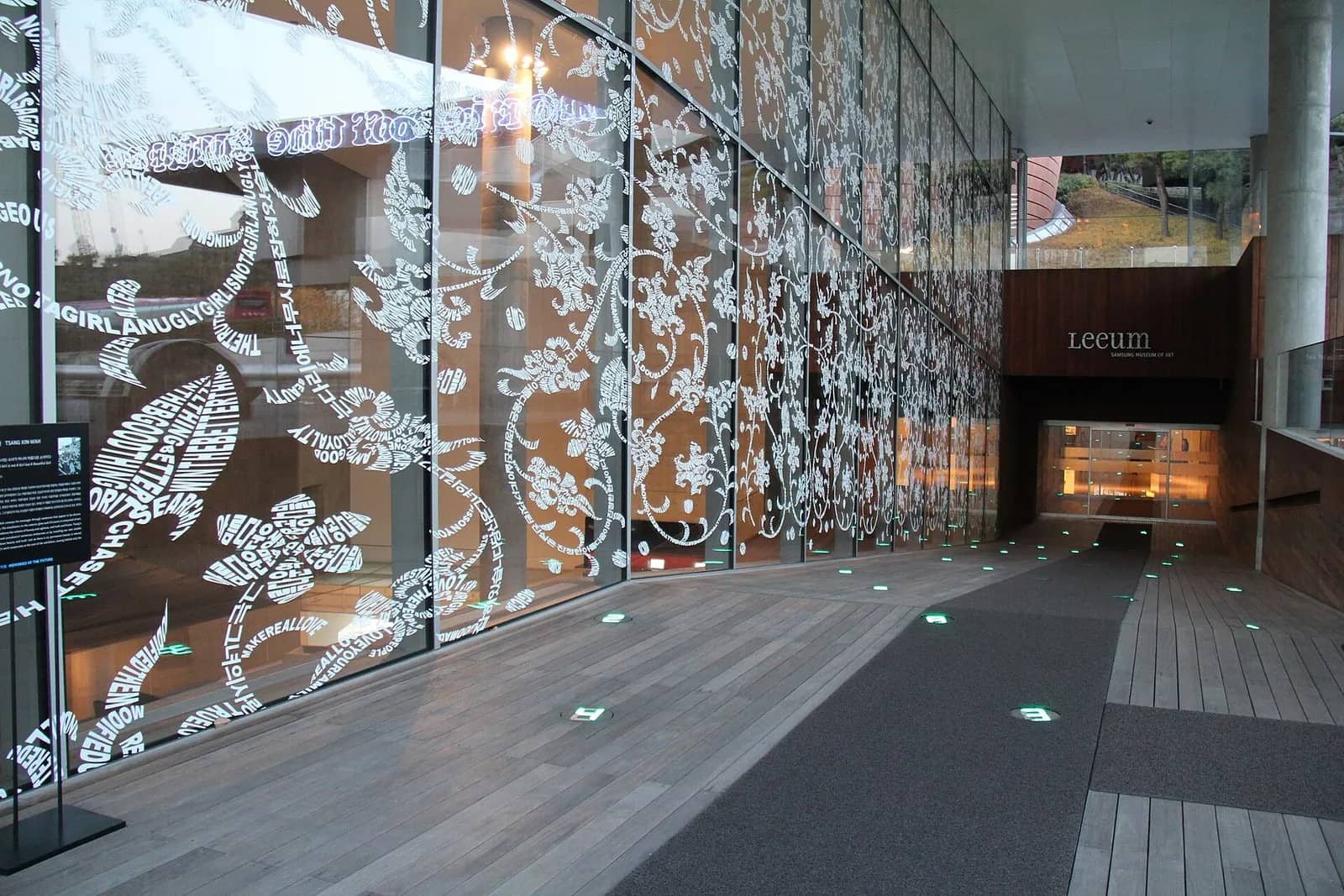
Hannam-dong is a wealthy hillside neighborhood in Yongsan-gu, between Namsan and the Han River, centred on Hangangjin Station on subway line 6. It holds major private art museums, embassies, designer flagships and quiet residential streets, and it is the calmest part of the Itaewon-Yongsan corridor.
Before you go
- Pin your arrival station and a meeting place.
- Check today’s opening hours before setting out.
- Leave time to walk and choose an indoor backup.
Where is Hannam-dong?
Hannam-dong occupies the slope between Namsan's southern foot and the north bank of the Han River, in the eastern half of Yongsan-gu. Hangangjin Station on line 6 is the main access point; Itaewon Station is one stop west, and Hannam Bridge carries traffic south to Apgujeong and Gangnam.
A little more detail
The neighborhood is steeply terraced. The commercial spine runs along Itaewon-ro at the top, the residential streets and embassy compounds spread across the middle, and the riverside expressway cuts along the bottom, which is why Hannam feels close to the Han without having an easy walk to it.
Most people arrive from Itaewon on foot along Itaewon-ro, which takes ten to fifteen minutes and is the natural continuation of an Itaewon afternoon.
What is Hannam-dong known for?
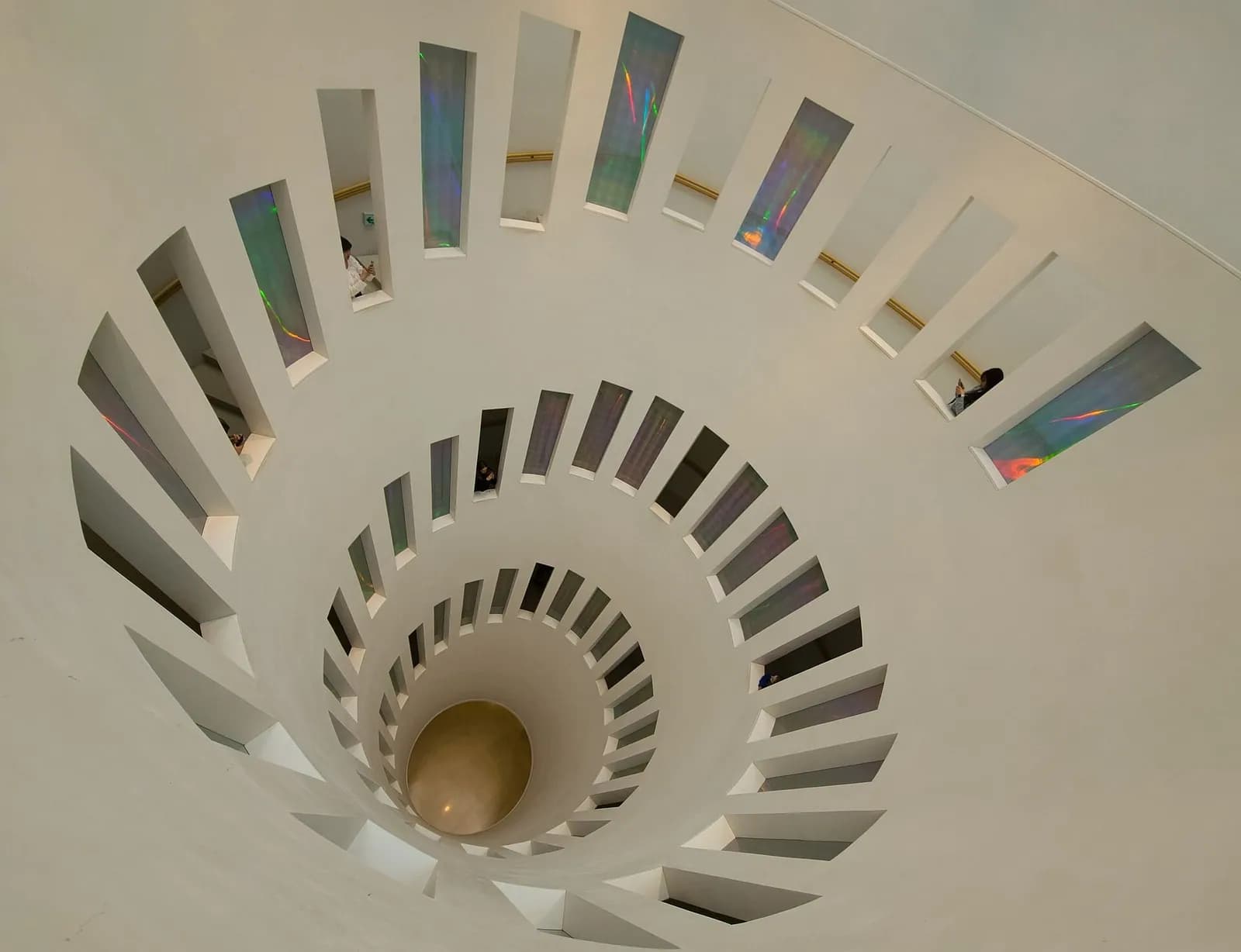
Art, first. Hannam holds one of Korea's most significant private museum complexes as well as a cluster of commercial galleries, and during Seoul's autumn art week the neighborhood is one of the two centers of gravity along with Samcheong-dong. Exhibitions here usually require advance booking.
A little more detail
Second, it is a diplomatic and expensive residential district: embassies, ambassadorial residences and hillside apartment complexes, which is why the streets are quiet and the retail is sparse but expensive. Designer flagships and concept stores cluster along the main road rather than spreading into the lanes.
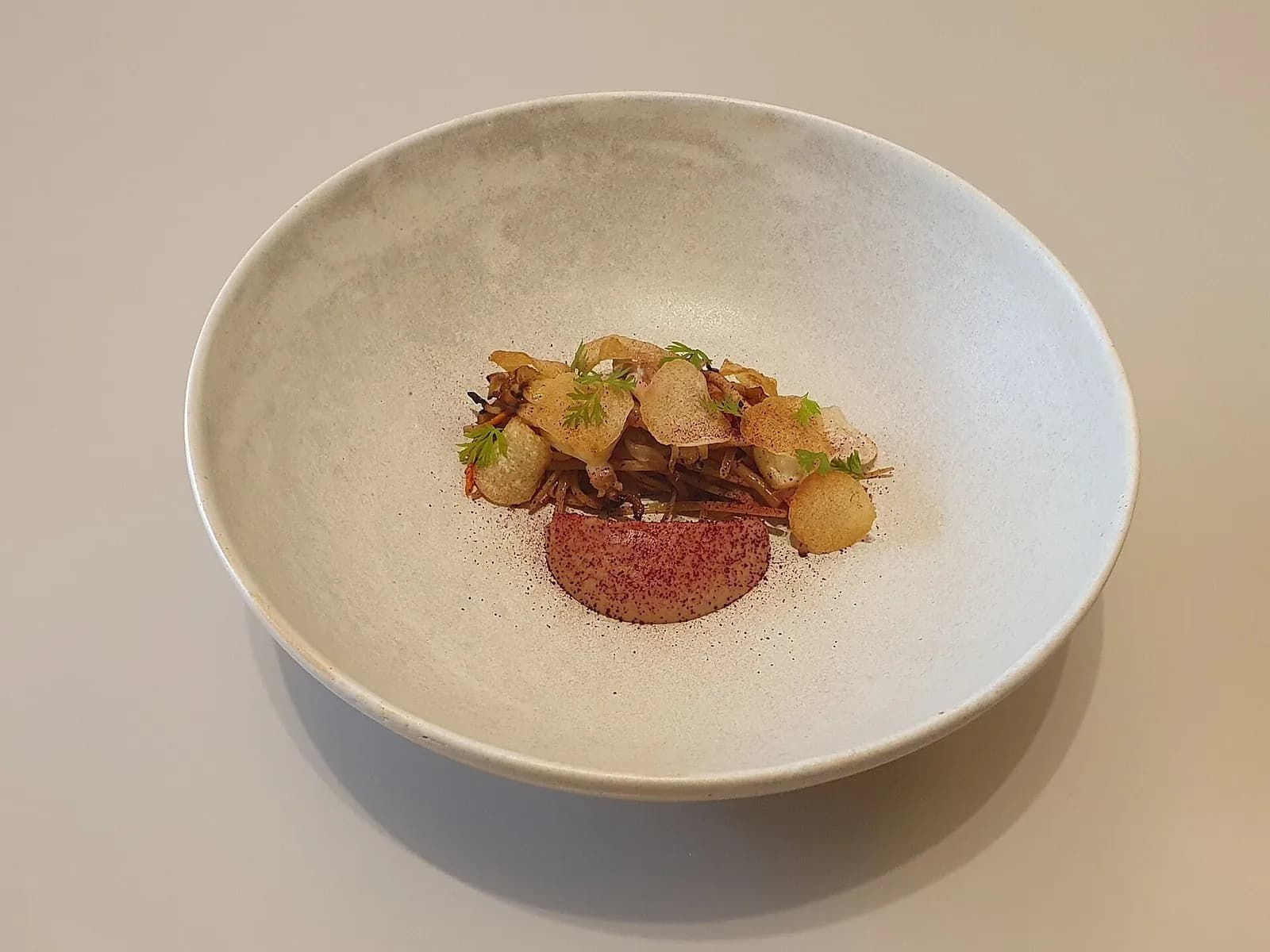
Third, food. Hannam's restaurants skew toward the careful and the small — modern Korean, wine bars, bakeries — and prices are visibly higher than in neighbouring Haebangchon or Gyeongnidan-gil. It is a neighborhood for one good meal rather than a crawl.
How do you get to the Han River from here?
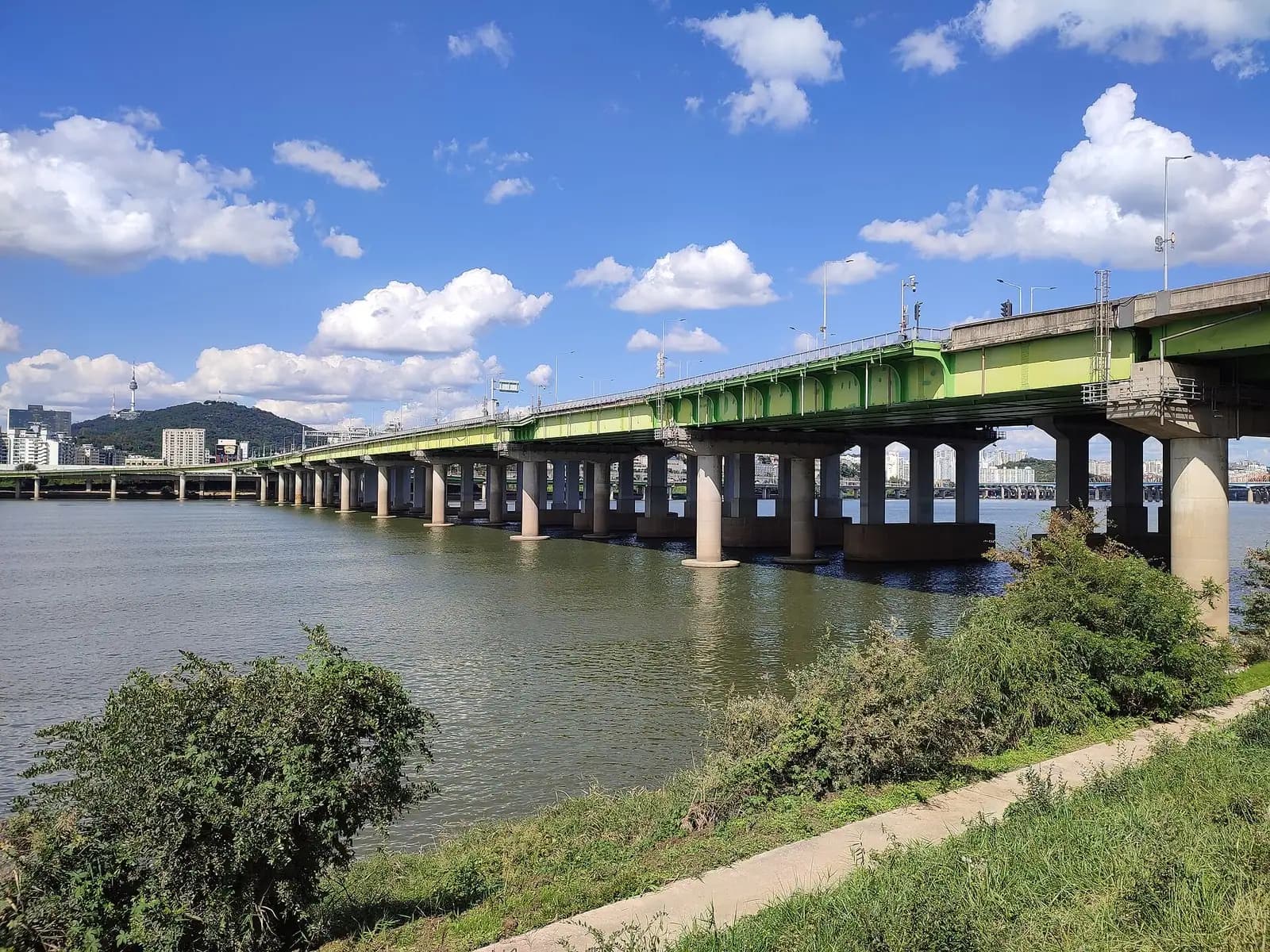
You do not walk to the river directly from Hannam-dong; the expressway and rail lines cut it off. The usual routes are the riverside parks to the west and east, reached by subway rather than on foot.
| Time of day | Hannam-dong | Better done elsewhere |
|---|---|---|
| Morning | Quiet streets, bakeries | Palace areas in Jongno |
| Midday to late afternoon | Museums and galleries (book ahead) | Markets |
| Early evening | One careful dinner | Cheap drinking streets in Jongno or Euljiro |
| Night | Wine bars, early closing | Hongdae or Itaewon for late hours |
A little more detail
The nearest practical access is Ichon-dong, further west along the river in Yongsan-gu, where Ichon Station on line 4 and the Gyeongui-Jungang line puts you near both the National Museum of Korea and a pedestrian route down to the riverside park. Seobinggo and Hangang Rail Bridge sit along the same stretch.
The other option is to cross Hannam Bridge south into Gangnam-gu, which is the shortest hop between the Itaewon side and Apgujeong. By taxi it takes a few minutes; by subway it means going back west and changing lines, which is usually slower.
How does Hannam compare with Itaewon next door?
They are adjacent and completely different in register. Itaewon is loud, cheap in parts, international and open late; Hannam is quiet, expensive, design-led and largely finished by mid-evening. The border is roughly Hangangjin Station.
A little more detail
For a visitor, the sensible approach is to treat them as one walk with two halves: galleries and coffee in Hannam in the afternoon, then downhill and west into Itaewon's hills for dinner. Doing it in reverse means arriving in Hannam after most of it has closed.
Is Hannam worth a visit, and what does a local add?
Hannam rewards visitors who care about contemporary art, design retail or architecture, and it is a poor use of time for anyone who does not. There is no market, no street food strip and no nightlife of consequence; the neighborhood's value is concentrated in a handful of institutions and a handful of restaurants.
A little more detail
What a resident adds is timing and booking. Major exhibitions here sell out reservation slots, gallery hours are short, and many of the good restaurants take reservations weeks ahead through Korean-language apps that are hard to use from abroad.
localseoul matches travelers with ID-verified Seoul residents for coffee, food or a walk, free during early access. It is a social introduction rather than a tour, and a local who knows Yongsan will usually suggest starting at Hangangjin or Itaewon Station.
Good questions.
Which station is Hannam-dong?
Hangangjin Station on subway line 6 is the main one, with Itaewon Station one stop west. Hannam-dong spreads across the hillside on both sides of Itaewon-ro between the two, so either exit works depending on which end you want.
Is Hannam-dong expensive?
Yes, by Seoul standards. It is one of the city's most expensive residential districts, and its cafes, restaurants and shops price accordingly. Neighbouring Haebangchon and Gyeongnidan-gil, ten to twenty minutes west on foot, are considerably cheaper.
Can you walk from Hannam-dong to the Han River?
Not easily. The riverside expressway and rail lines separate the neighborhood from the water. Use Ichon-dong further west, on line 4 and the Gyeongui-Jungang line, for the nearest straightforward access to a riverside park.
What is there to do in Hannam-dong on a rainy day?
It is one of the better rainy-day areas in Seoul: private art museums, commercial galleries, design stores and bookshops are all indoors and close together along the main road. Book museum entry in advance where it is required.
Plans and opening hours can change. Check the venue or official source before you go. How we put these guides together · Suggest a correction
Keep exploring.
All guides ↗ Neighborhoods
An afternoon in Itaewon
Food, hills and a neighborhood crossroads.
 Neighborhoods
Make a day of Yongsan
Museums, a meal and a useful station.
 Neighborhoods
Side streets around Garosu-gil
A Sinsa stroll beyond the main road.