Seochon, the west side of Gyeongbokgung
A Seochon walk with a cafe stop.
Here’s what to know.
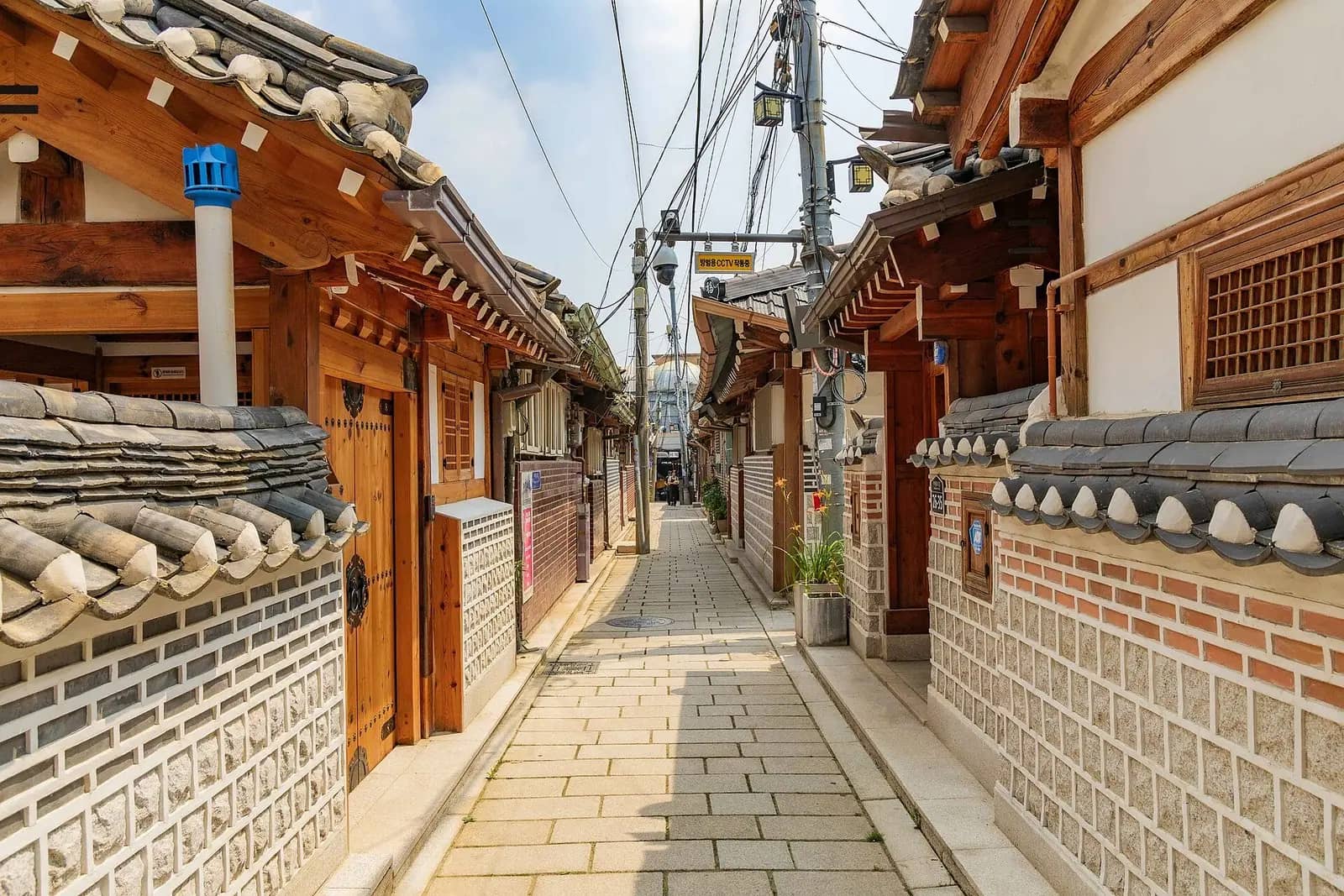
Seochon means the west village: the area between Gyeongbokgung Palace and Inwangsan mountain, in Jongno-gu, reached from Gyeongbokgung Station on subway line 3. It is a working residential neighborhood with a traditional market, bookshops, galleries and old houses, and it is markedly quieter than Bukchon on the palace's east side.
Before you go
- Pin your arrival station and a meeting place.
- Check today’s opening hours before setting out.
- Leave time to walk and choose an indoor backup.
Where is Seochon and how do you get there?
Seochon is the group of dong immediately west of Gyeongbokgung — Tongin-dong, Ogin-dong, Chebu-dong and their neighbours — bounded by the palace wall on one side and the slope of Inwangsan on the other. Exit 2 of Gyeongbokgung Station on line 3 puts you at its southeastern corner.
A little more detail
Because the palace is the boundary, Seochon and Bukchon are about a fifteen-minute walk apart around the palace's south side, or a longer walk around the north. Most visitors do the palace first and then choose a side; residents usually pick the west one.
The neighborhood climbs gently as you go north and west, and the highest streets run into the Inwangsan trailheads. Nothing in Seochon is steep enough to be difficult, but the northern end is noticeably uphill from the station.
What is Seochon actually used for by residents?
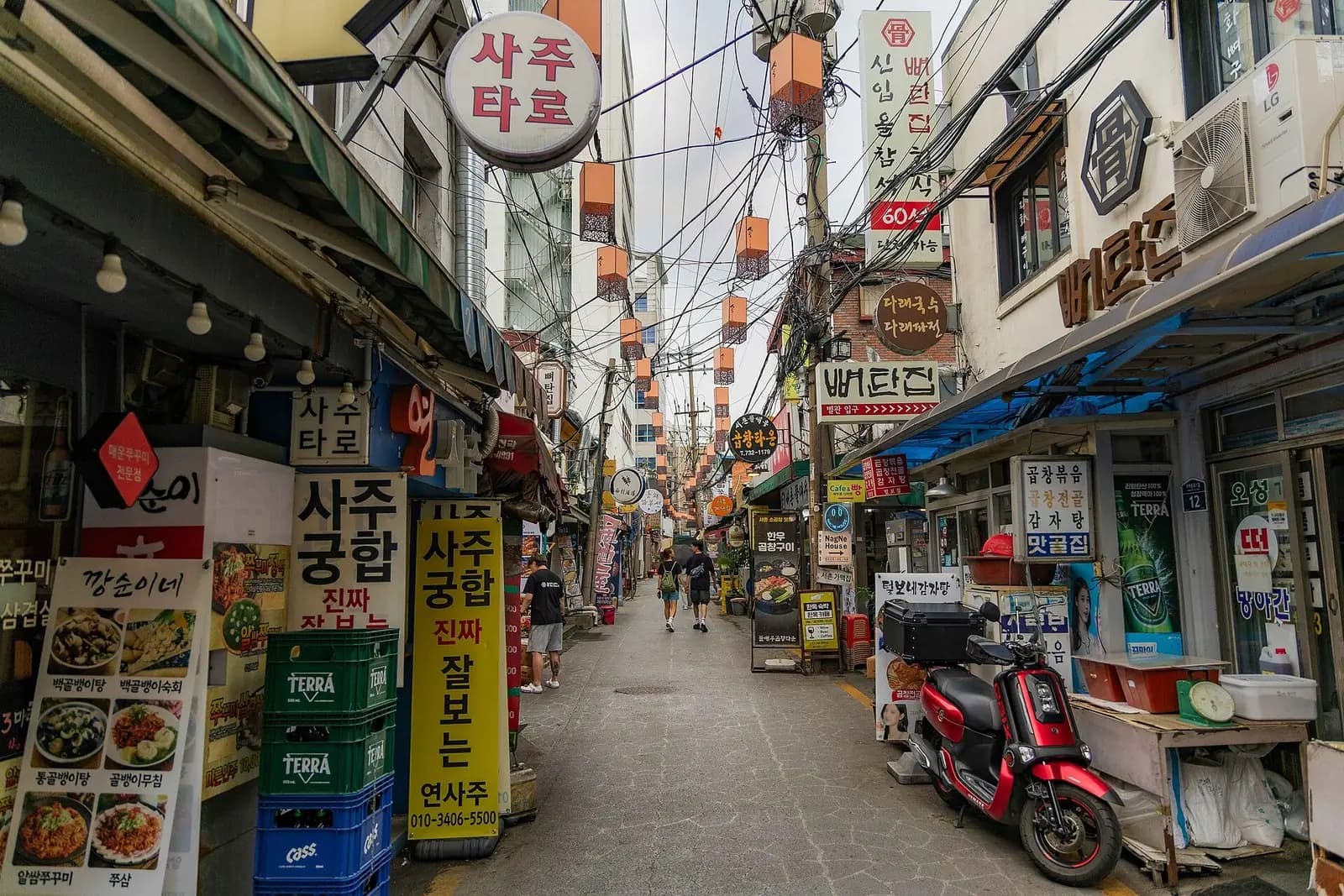
Seochon is a neighborhood people live in, which is its whole appeal. The core of daily life is Tongin Market, a narrow covered market that sells groceries and cooked food to households as well as visitors, and the food streets around Sejong Village that serve the offices and government buildings nearby at lunch.
A little more detail
Layered on top is a long artistic history. Writers and painters lived in these streets through the twentieth century, and several of their houses are now small museums; independent bookshops, printmakers and one-room galleries have followed. It is the densest concentration of small cultural spaces in central Seoul.
The third layer is the hillside at the top: Suseong-dong Valley, a small restored stream valley below Inwangsan, and the trails above it. Residents use it as an ordinary evening walk, which is unusual for somewhere ten minutes from a palace.
How is Seochon different from Bukchon?
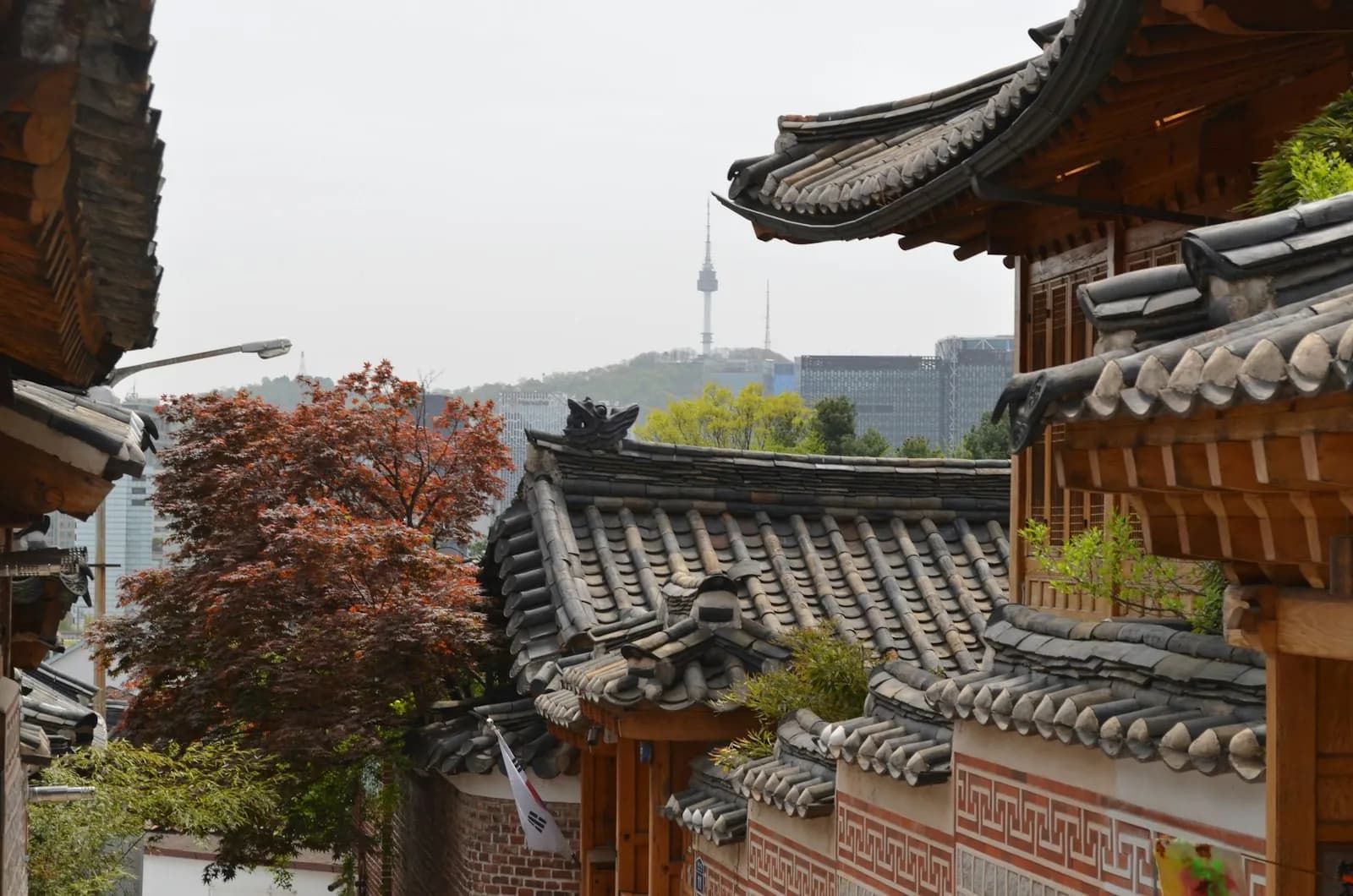
Bukchon is a hanok village on a hillside that visitors come to see; Seochon is a mixed neighborhood that visitors come to spend time in. Bukchon's houses are mostly private homes with quiet-hour rules; Seochon's streets are shops, markets, cafes and workshops that expect customers.
| Seochon (west) | Bukchon (east) | |
|---|---|---|
| Built form | Mixed: hanok, 1960s-80s houses, shops | Concentrated hanok |
| Main draw | Market, galleries, bookshops, hillside | Rooflines, views, hanbok photos |
| Crowding | Moderate | Heavy at midday |
| Station | Gyeongbokgung (line 3) | Anguk (line 3) |
| Good for | Eating and lingering | Walking and looking |
A little more detail
The other difference is density of visitors. Bukchon's main viewpoints can be shoulder to shoulder in the middle of the day; Seochon's streets rarely are, outside a few well-photographed corners.
What do you eat in Seochon?
Seochon's food is neighborhood food rather than destination food. Tongin Market's stalls sell fried and stir-fried tteokbokki, jeon, mandu and banchan, and the market runs a lunchbox scheme where visitors buy brass tokens at the information counter and use them at participating stalls to assemble a tray.
A little more detail
Around the market and along Jahamun-ro are the everyday Korean restaurants that feed the surrounding offices: kalguksu, baekban set meals, grilled fish, gukbap. Lunch hours here run roughly noon to one, and that is when the queues form and the food is freshest.
The cafe layer is smaller and quieter than in Yeonnam or Seongsu, often in converted houses with a handful of seats, and it tends to close earlier. Seochon is not a late-night neighborhood.
What about Cheong Wa Dae and Inwangsan?
The former presidential compound, Cheong Wa Dae, sits directly north of Gyeongbokgung between Seochon and Samcheong-dong, and has been open to the public since 2022. Entry has generally required a free reservation, so check the current system before going rather than turning up.
A little more detail
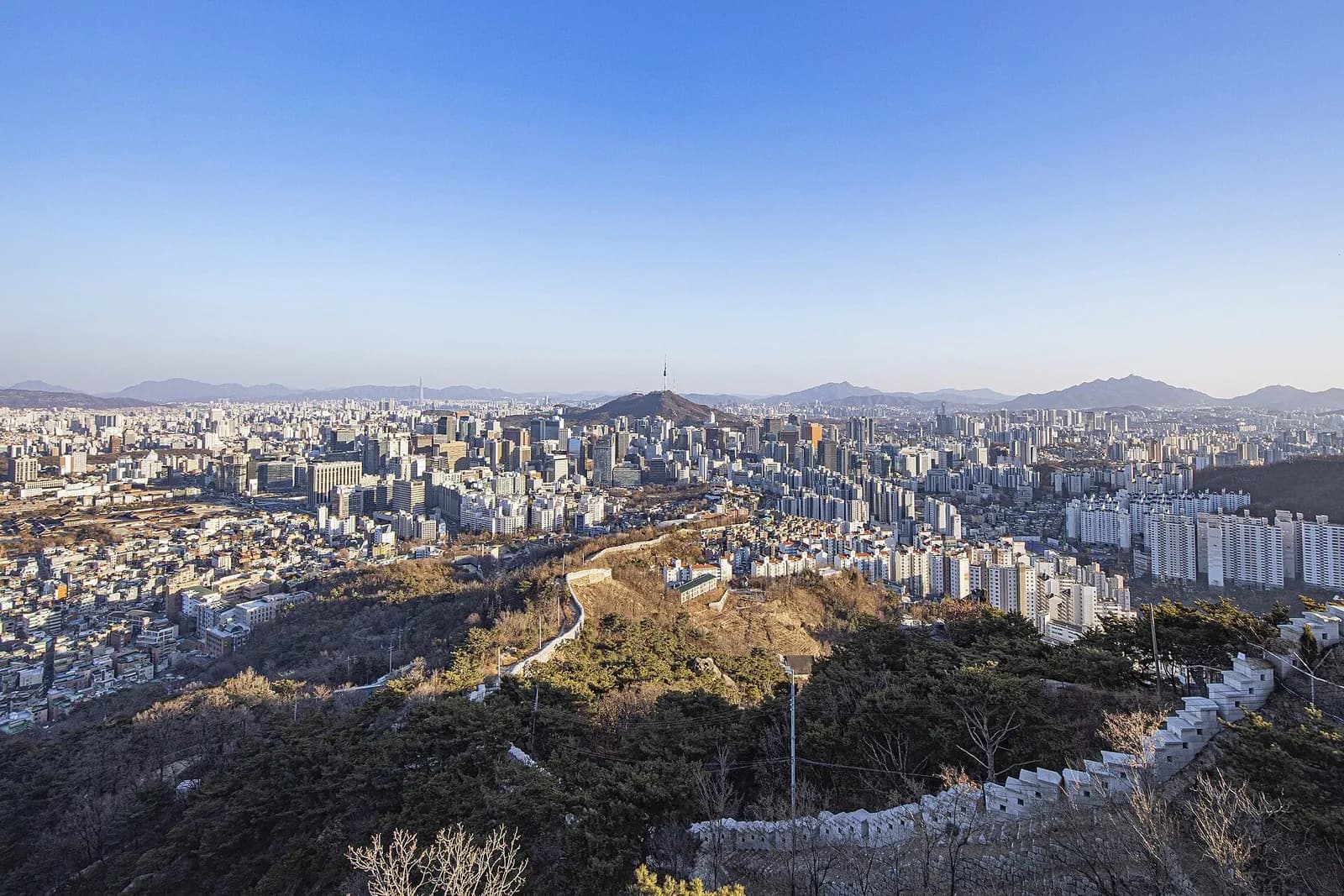
Inwangsan rises behind Seochon to the west. The trails start from the top of the neighborhood and reach the ridge and the restored Seoul City Wall in under an hour of ordinary walking, with a clear view back over the palace and the city center.
The combination is the argument for Seochon: a palace, a former seat of government, a traditional market and a mountain trail inside one neighborhood, all within about two kilometers.
Meeting a resident in Seochon
Seochon suits a first meeting because it is calm, central and easy to describe as a meeting point. Exit 2 of Gyeongbokgung Station and the entrance to Tongin Market are both unambiguous places to stand, which matters more in Seoul than it does in cities with street addresses.
A little more detail
localseoul matches independent travelers with ID-verified Seoul residents for coffee, food or a walk. It is free during early access, locals are not paid by travelers, and Seochon falls inside the Gyeongbokgung and Bukchon area of the pilot. Most requests hear back within 48 hours.
Good questions.
Is Seochon walkable from Gyeongbokgung Palace?
Yes. Seochon begins directly across the road from the palace's west side, and exit 2 of Gyeongbokgung Station on line 3 opens onto it. Walking from the palace's main gate to Tongin Market takes about ten to fifteen minutes.
What is Tongin Market known for?
Everyday Korean market food — tteokbokki, jeon, mandu and side dishes — and a lunchbox scheme where you buy brass tokens at the information desk and spend them at participating stalls to build your own tray.
Is Seochon better than Bukchon?
It is different. Bukchon is a hanok village to look at; Seochon is a working neighborhood to spend time in, with a market, galleries, bookshops and mountain trails. Visitors short on time usually see Bukchon; repeat visitors tend to prefer Seochon.
Can you hike Inwangsan from Seochon?
Yes. Trailheads sit at the top of the neighborhood, above Suseong-dong Valley, and reach the ridge and the restored Seoul City Wall in under an hour of ordinary walking. Bring water; the lower slopes have shops, the ridge does not.
Plans and opening hours can change. Check the venue or official source before you go. How we put these guides together · Suggest a correction
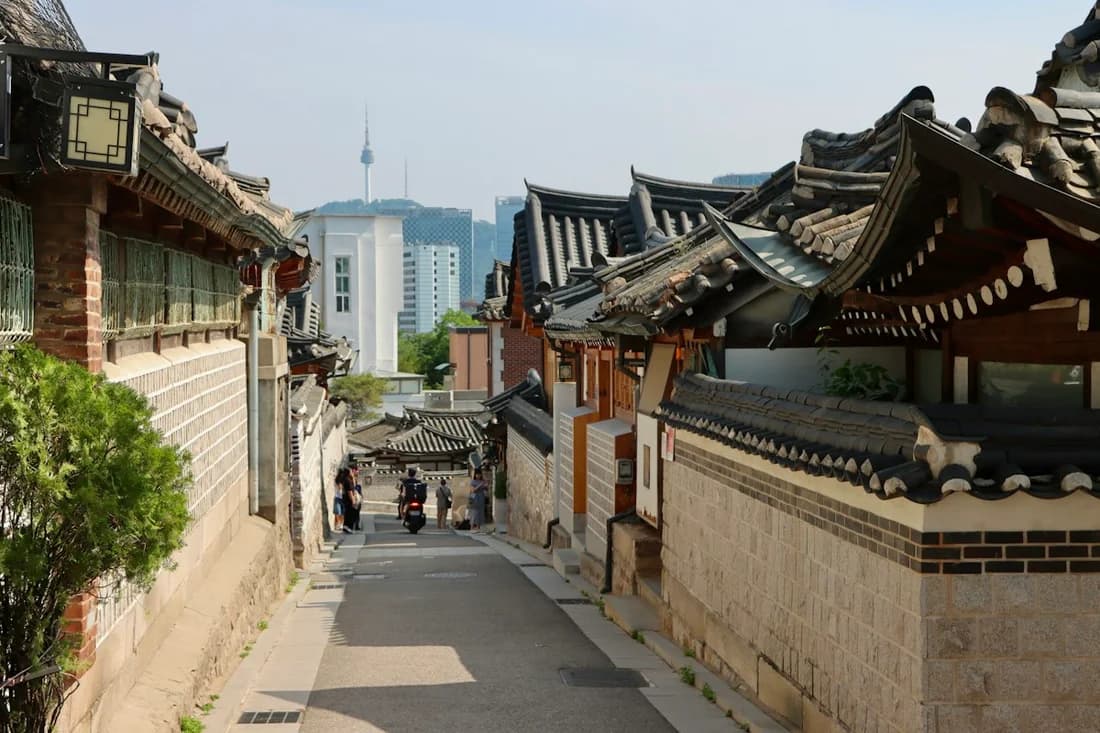
Get a feel for the neighborhood.
Keep exploring.
All guides ↗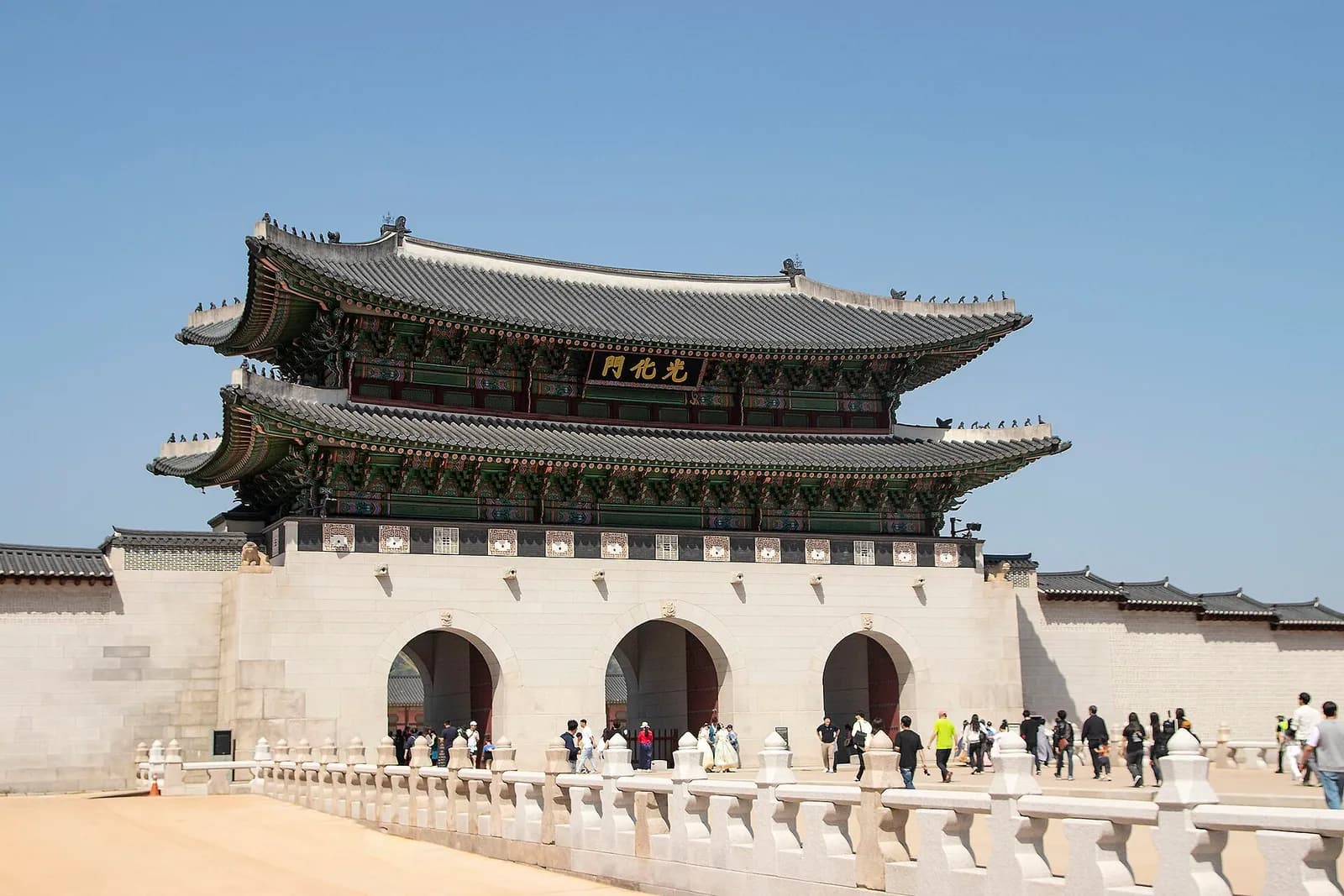 Neighborhoods
Start at Gwanghwamun
Palace-side Seoul, with time to look around.
 Neighborhoods
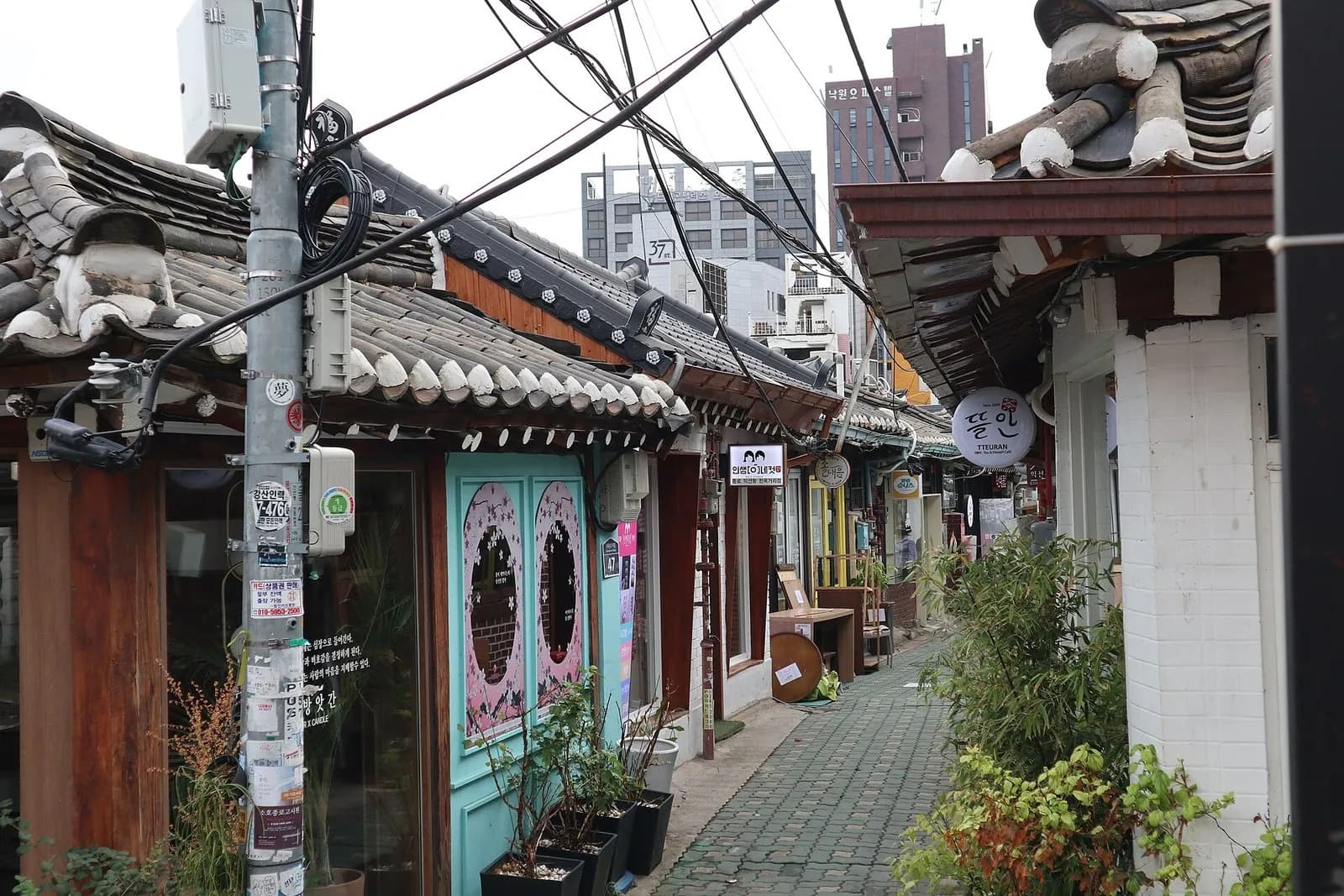
Little lanes of Ikseon-dong
Hanok cafes, narrow streets, a quieter time to go.
 Your kind of trip
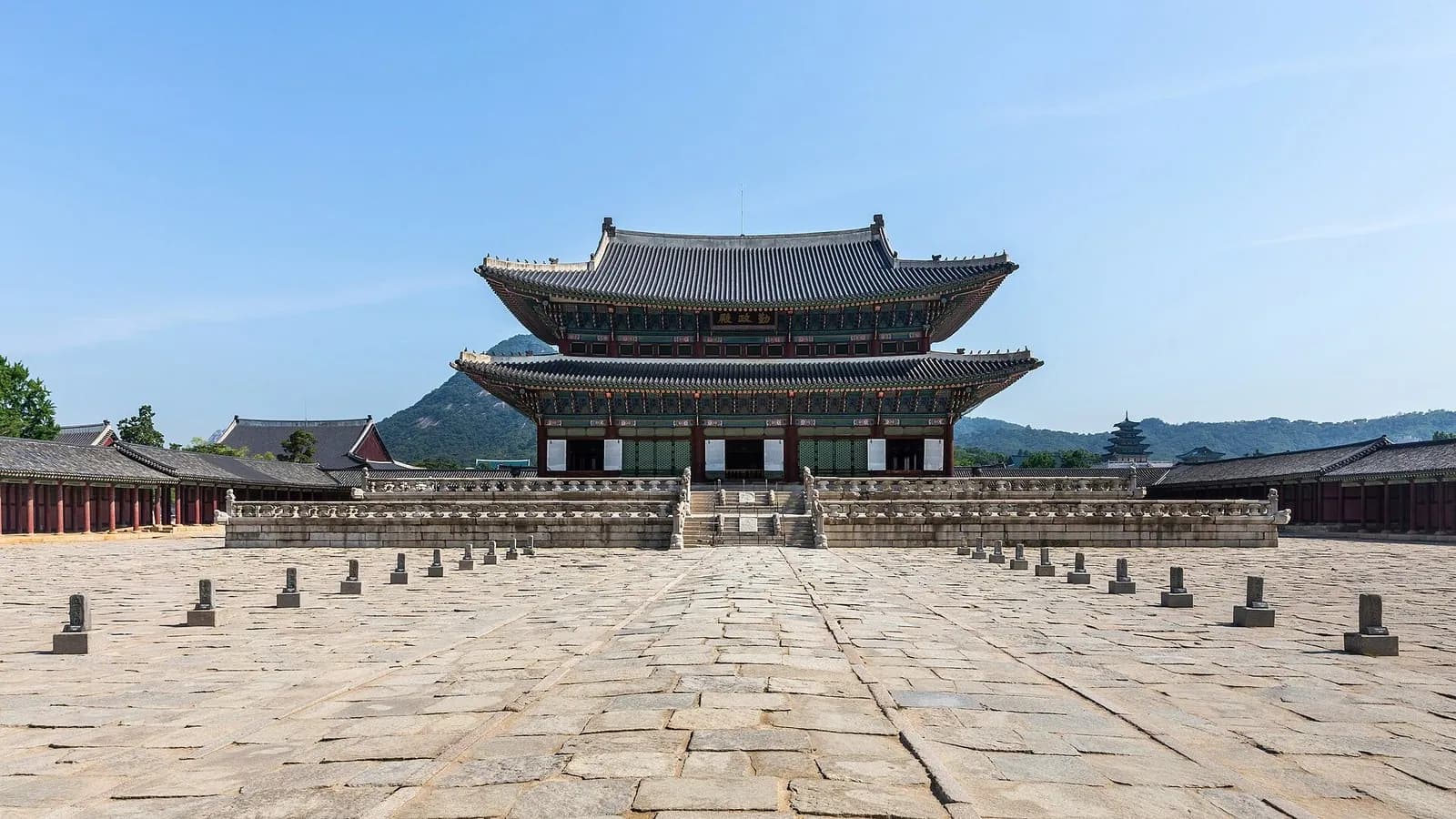
Your first three days in Seoul
Pick a neighborhood. Leave room to wander.