Ikseon-dong hanok alleys with a local
Hanok cafes, narrow streets, a quieter time to go.
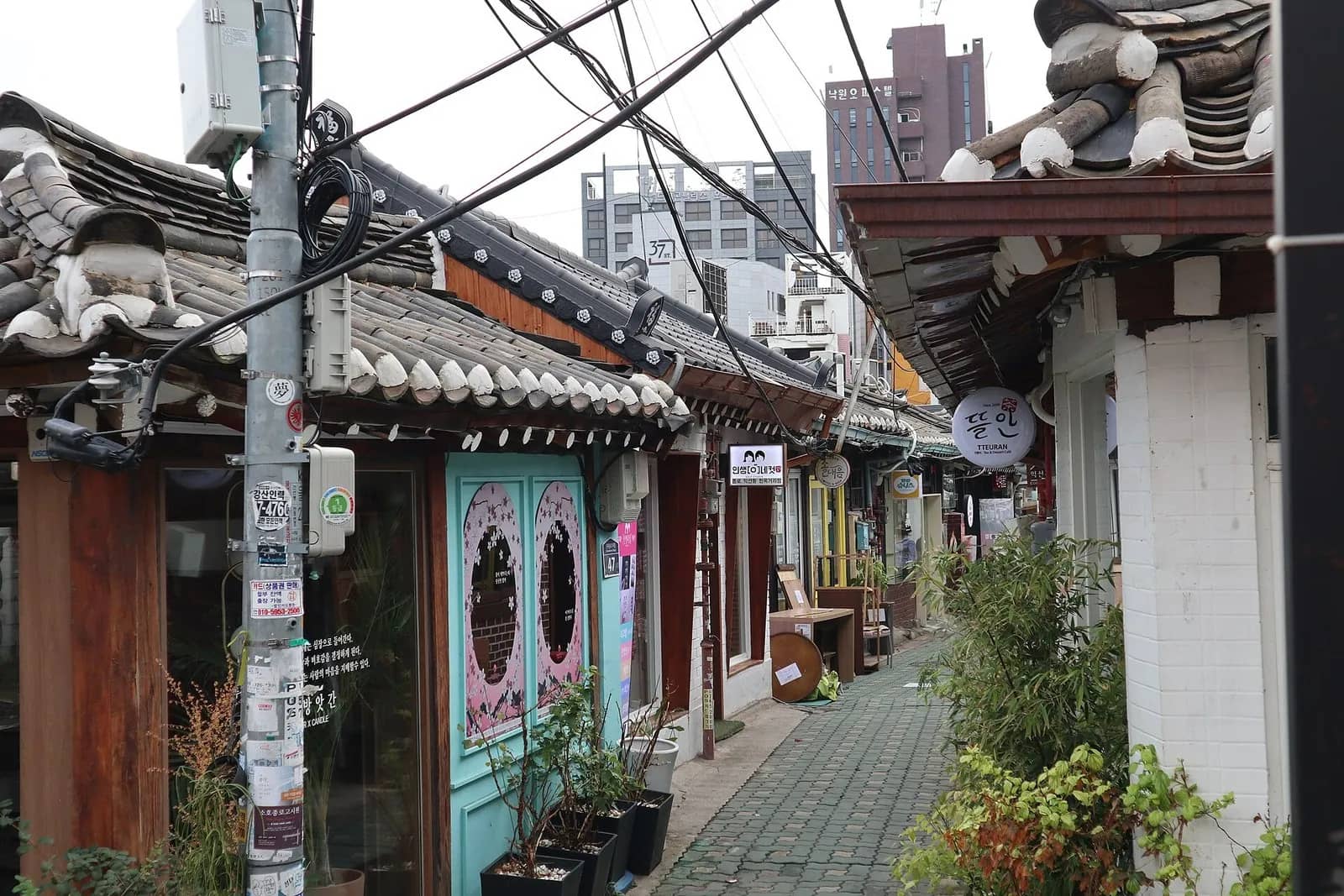
Here’s what to know.
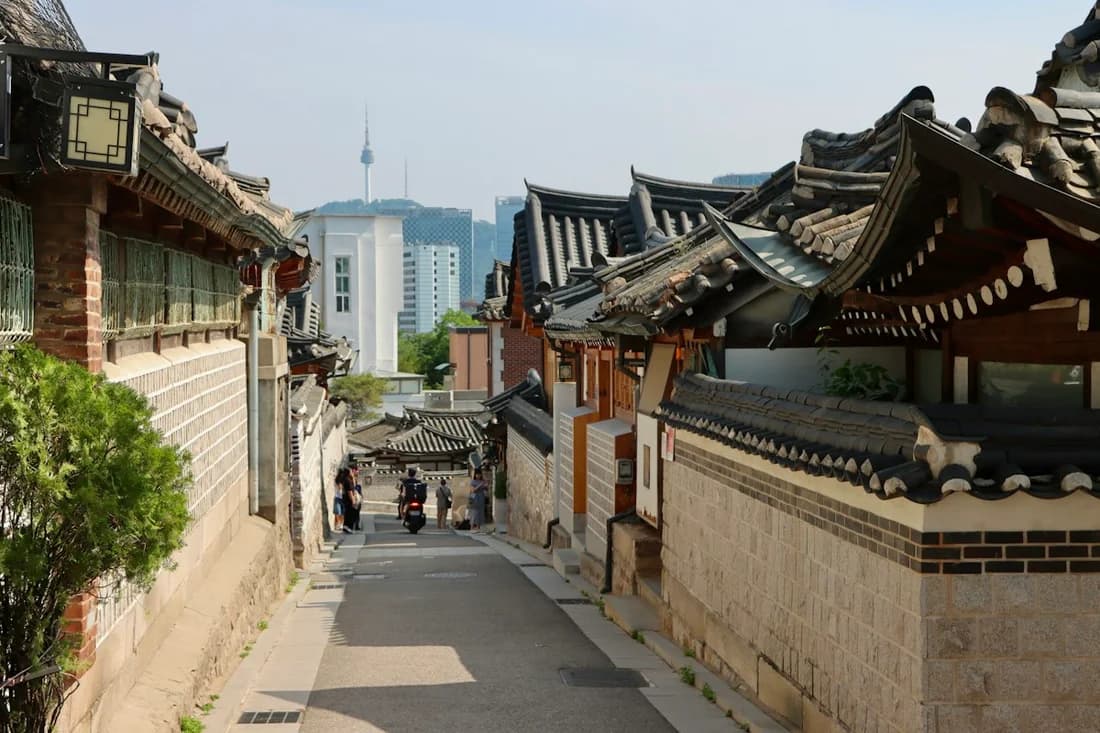
Ikseon-dong is a dense block of 1920s urban hanok houses in Jongno-gu, next to Jongno 3-ga Station on subway lines 1, 3 and 5. Unlike Bukchon, it is commercial rather than residential: the alleys are barely two meters wide and almost every courtyard house is now a cafe, bar or restaurant.
Before you go
- Pin your arrival station and a meeting place.
- Check today’s opening hours before setting out.
- Leave time to walk and choose an indoor backup.
What is Ikseon-dong and why do the houses look like that?
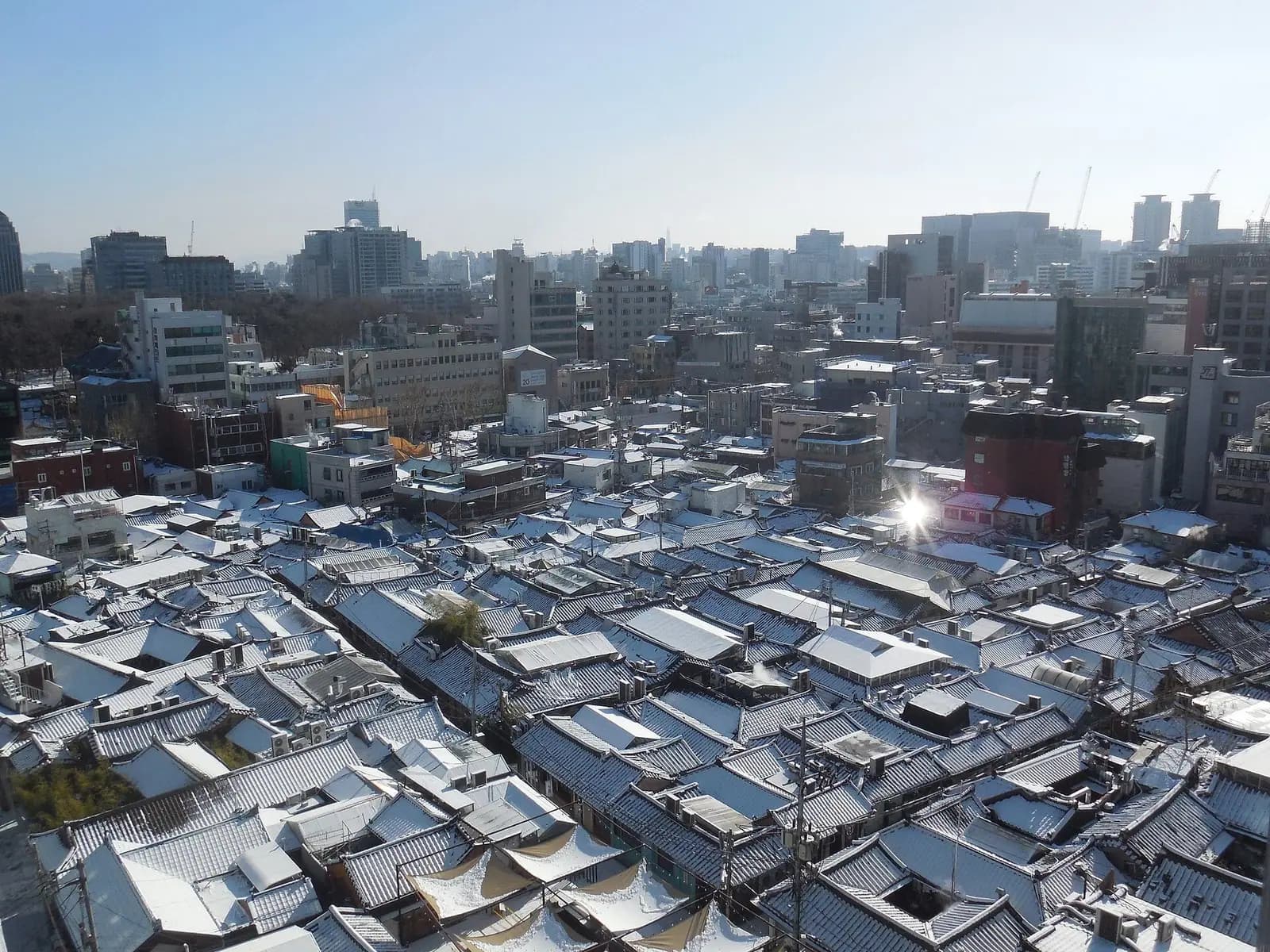
Ikseon-dong is one of Seoul's earliest planned housing developments. In the 1920s and 1930s, large plots in this part of Jongno were subdivided into small standardised hanok and sold to ordinary city households, producing a tight grid of courtyard houses on narrow lanes rather than the larger aristocratic hanok found further north.
A little more detail
That history is why the scale feels different from Bukchon. The lanes are narrow enough that two people pass sideways, the courtyards are a few meters square, and the roofs almost touch. It reads as a working city block from a century ago, because that is what it was built as.
From the 2010s the block filled with small businesses that kept the shells and rebuilt the interiors. The result is unusual in Seoul: a historic fabric that is in daily commercial use rather than preserved as an exhibit.
How does Ikseon-dong compare with Bukchon Hanok Village?
Bukchon is a residential neighborhood that visitors walk through; Ikseon-dong is a commercial block that visitors go into. That single difference changes the etiquette, the time of day and what you actually do there.
| Ikseon-dong | Bukchon Hanok Village | |
|---|---|---|
| What it is now | Commercial hanok block | Residential hanok neighborhood |
| Terrain | Flat | Steep hillside |
| Main activity | Eating, drinking, sitting | Walking, views, hanbok photos |
| Quiet rules | Normal commercial street | Residents ask for quiet; signposted hours |
| Nearest station | Jongno 3-ga (lines 1, 3, 5) | Anguk (line 3) |
| Best time | Evening | Morning |
A little more detail
In Bukchon you are a guest on someone's street, quiet hours are signposted and residents have asked repeatedly for restraint. In Ikseon-dong you are a customer, doors are open, and noise is expected. If the hanok experience you want involves sitting down with a drink for two hours, Ikseon is the right block; if it involves rooflines and hillside views, Bukchon is.
What is around Ikseon-dong?
Ikseon-dong is small enough to exhaust in ninety minutes, which is why residents treat it as one stop in a Jongno evening rather than a destination. It sits inside a ring of much older Seoul that is all walkable from the same station.
A little more detail
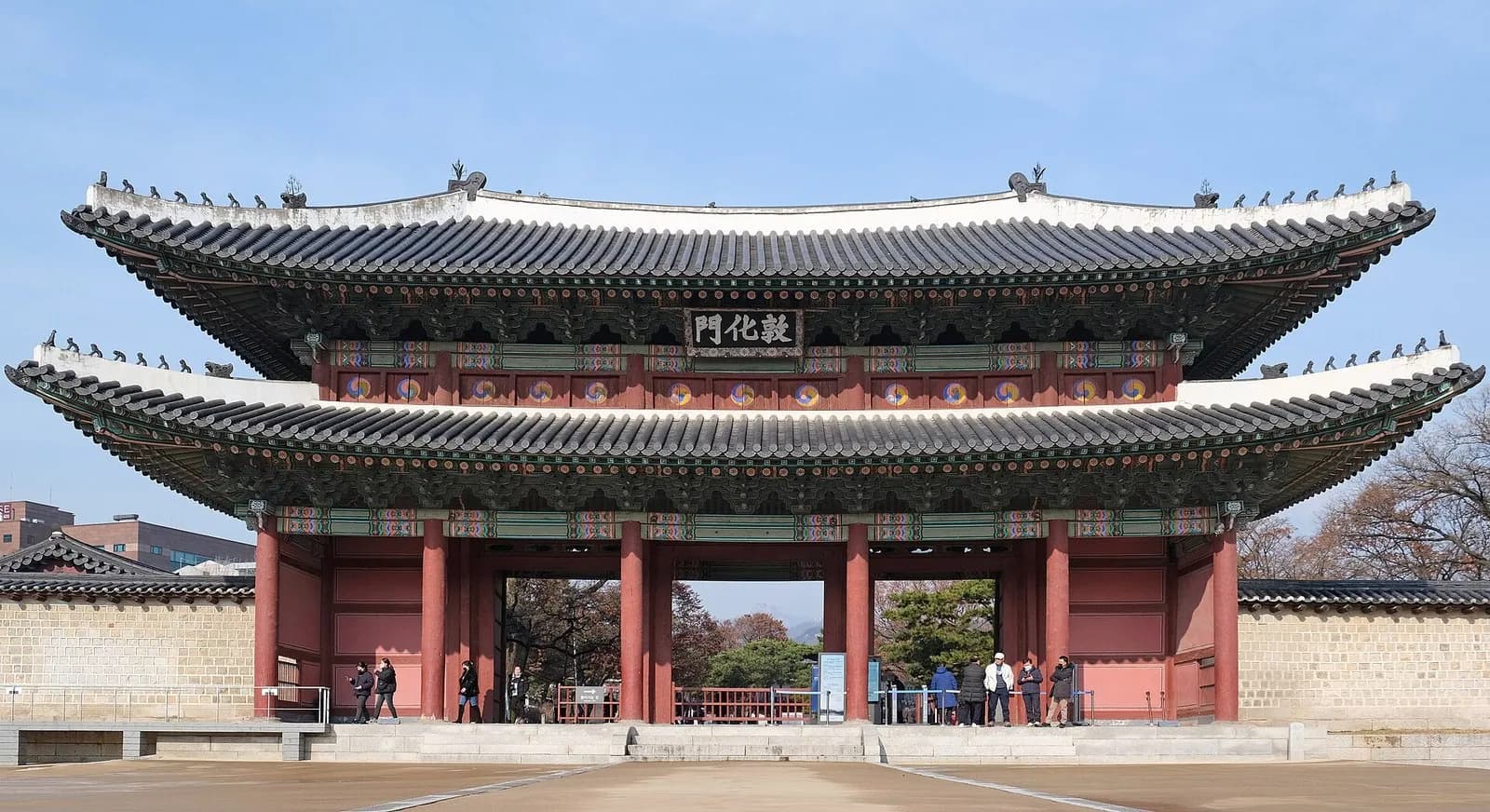
Immediately south across Donhwamun-ro is Jongno 3-ga itself, with its covered alleys of grilled-fish and pork-belly restaurants and the plastic-stool drinking streets that have operated for decades. North is Changdeokgung Palace and its Secret Garden, and east is Jongmyo Shrine. Euljiro is one stop away on line 3 or a ten-minute walk south.
The practical route most residents use is palace or shrine in the afternoon, Ikseon-dong for coffee before dinner, then the Jongno 3-ga grill alleys or Euljiro afterwards. Ikseon works better as the hinge of an evening than as the whole of one.
When should you go, and what is it like when crowded?
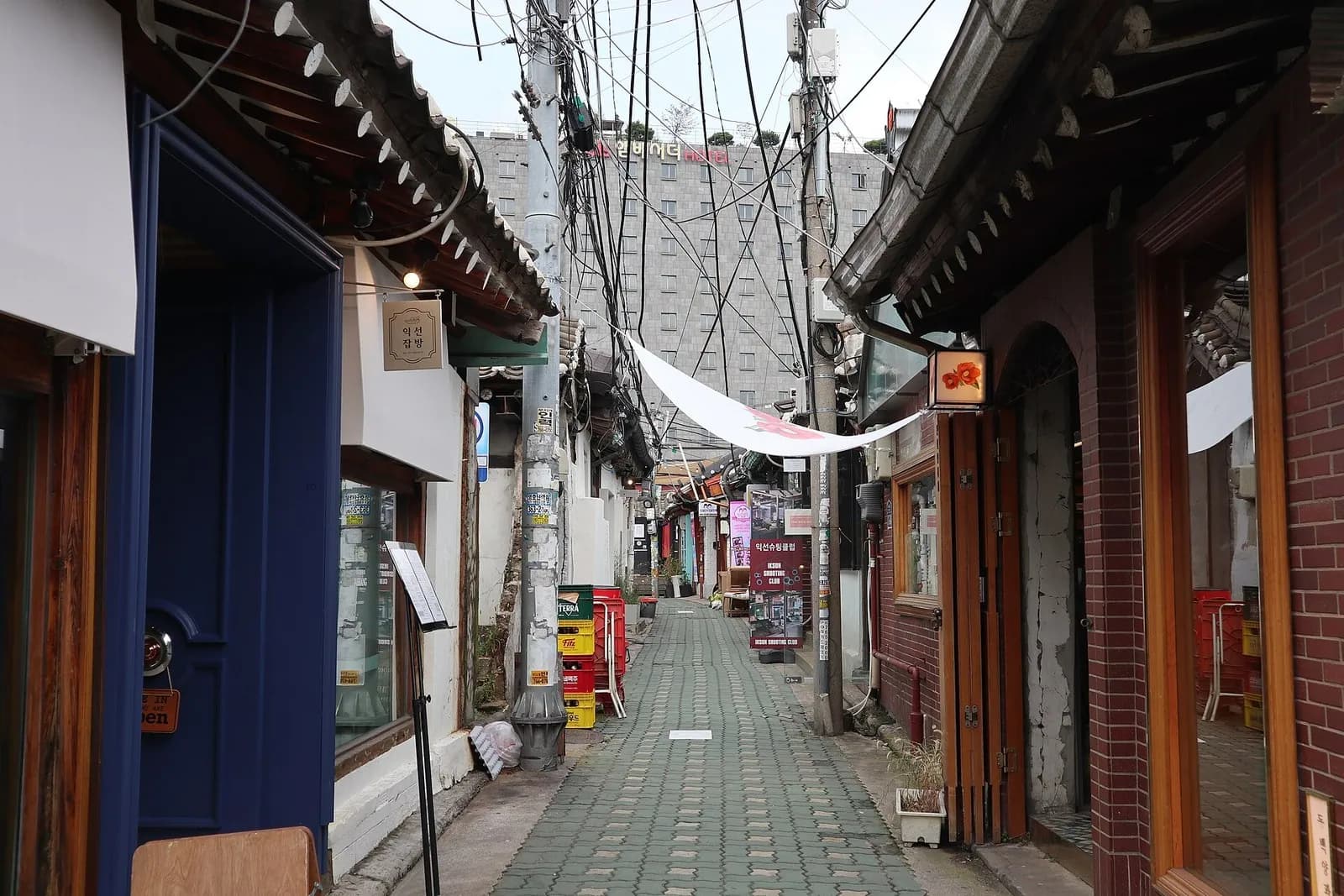
Go on a weekday, and go after dark if you can. The alleys are narrow enough that weekend afternoons become single-file, and the lanterns and low roofs do more at night than in flat daylight.
A little more detail
Most places here are small. Twenty seats is typical, waiting lists are common at peak hours, and some restaurants run a Korean-language tablet queue at the door. Arriving before six or after nine avoids most of that.
Because the block is tightly packed, one wrong turn puts you back on the main road. Rather than navigating by map, it is easier to enter from one side of the block and simply walk every lane; the whole grid is only a few hundred meters across.
What a resident adds here
Ikseon-dong's turnover is fast and the frontages look alike, so the useful knowledge is which door is worth the wait this month and which is trading on the roofline. That is local, current knowledge rather than anything a guidebook can hold.
A little more detail
A resident also unlocks the rest of Jongno, which is the harder half. The grill alleys and standing bars around Jongno 3-ga have no English signage and their own ordering customs, and they are where the evening usually goes after Ikseon.
localseoul matches travelers with ID-verified Seoul residents for coffee, food or a walk. It is free during early access, it is not a tour, and locals propose a public meeting point — around here, usually an exit of Jongno 3-ga Station.
Good questions.
Which subway exit is best for Ikseon-dong?
Jongno 3-ga Station serves lines 1, 3 and 5. Exits 4 and 6 put you closest to the north side of the block, across Donhwamun-ro. From Anguk Station on line 3 it is about a ten-minute walk southeast.
Is Ikseon-dong free to enter?
Yes. It is an ordinary city block of streets, not a managed village, so there is no ticket or gate. You pay only for what you order in the cafes, restaurants and bars inside the hanok.
How long do you need in Ikseon-dong?
About an hour to walk every lane, or two to three hours if you stop for coffee and a meal. Most residents pair it with Changdeokgung, Jongmyo or the grill alleys of Jongno 3-ga rather than visiting it alone.
Can you wear hanbok in Ikseon-dong?
Yes, and many visitors do, though hanbok rental is more concentrated around Gyeongbokgung and Anguk. Free palace entry for hanbok wearers applies at the palaces, not in Ikseon-dong itself.
Is Ikseon-dong good at night?
It is better at night. The lanes are lit, the restaurants and bars are the point of the block, and the crowding of weekend afternoons drops. Many places close by late evening, so arriving after ten leaves limited choice.
Plans and opening hours can change. Check the venue or official source before you go. How we put these guides together · Suggest a correction
Get a feel for the neighborhood.
Keep exploring.
All guides ↗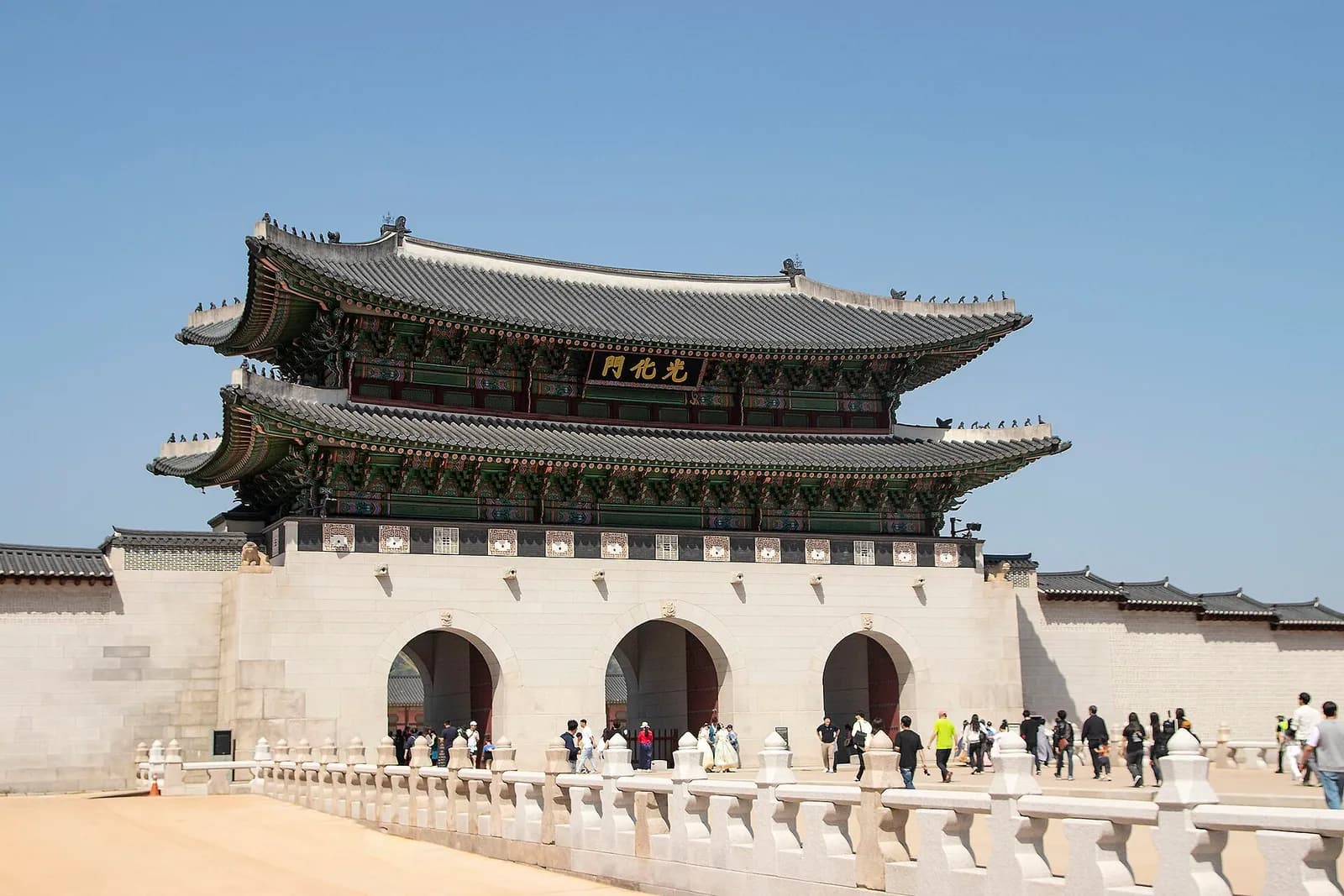 Neighborhoods
Start at Gwanghwamun
Palace-side Seoul, with time to look around.
 Neighborhoods
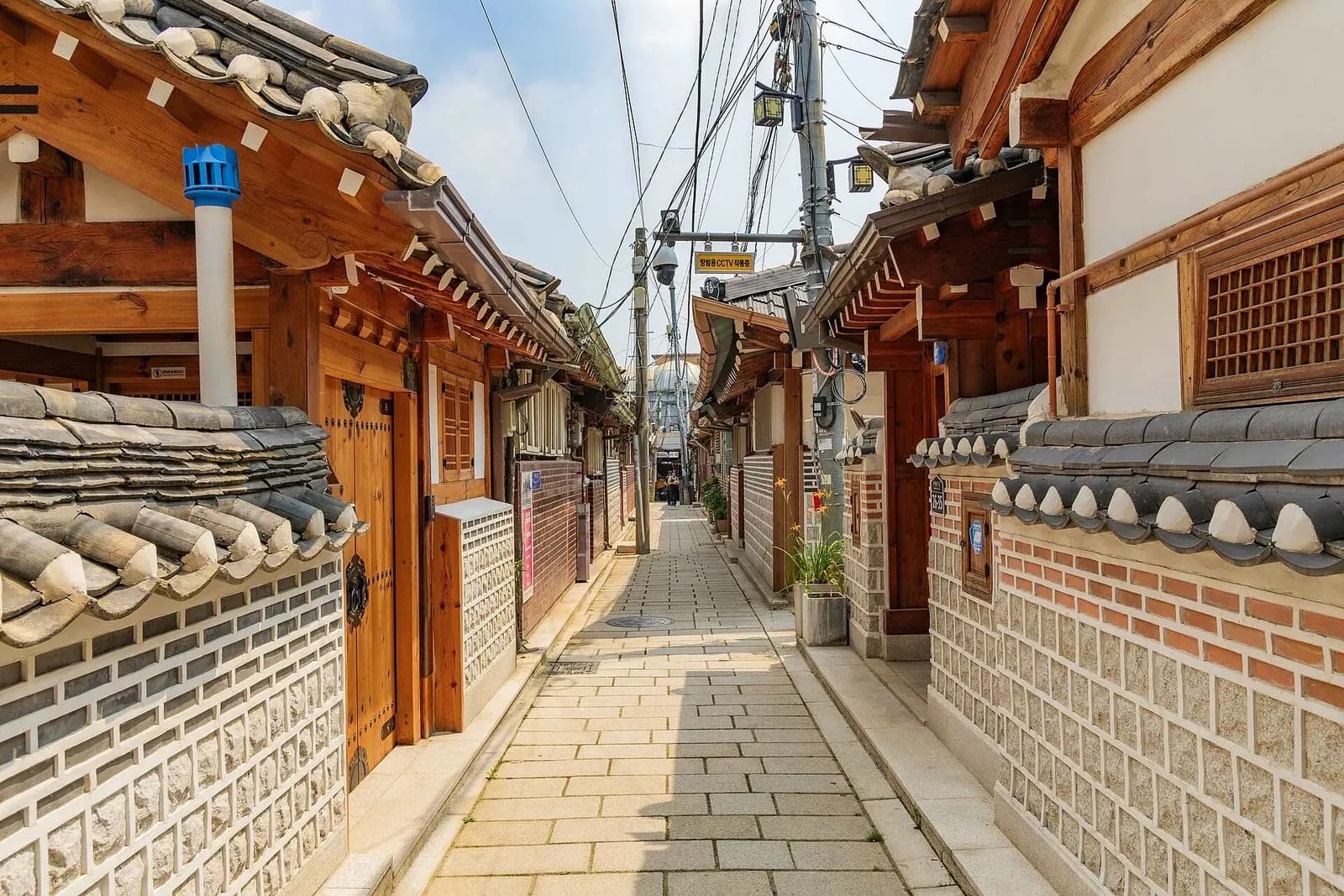
The other side of the palace
A Seochon walk with a cafe stop.
 Everyday know-how
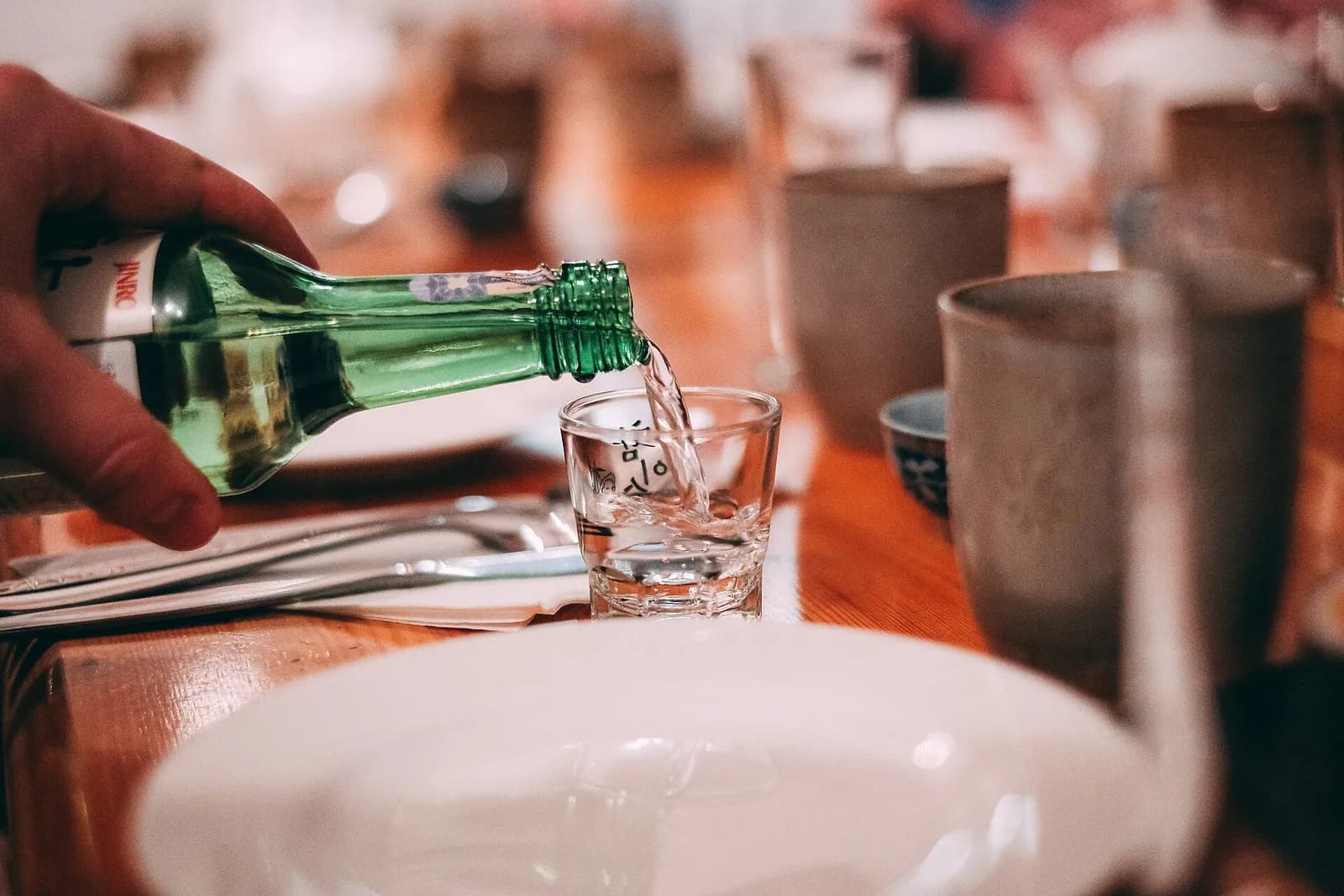
Drinks, on your terms
You can always choose something else.