Meeting a local in Seoul with kids
Short walks and room for breaks.
Here’s what to know.
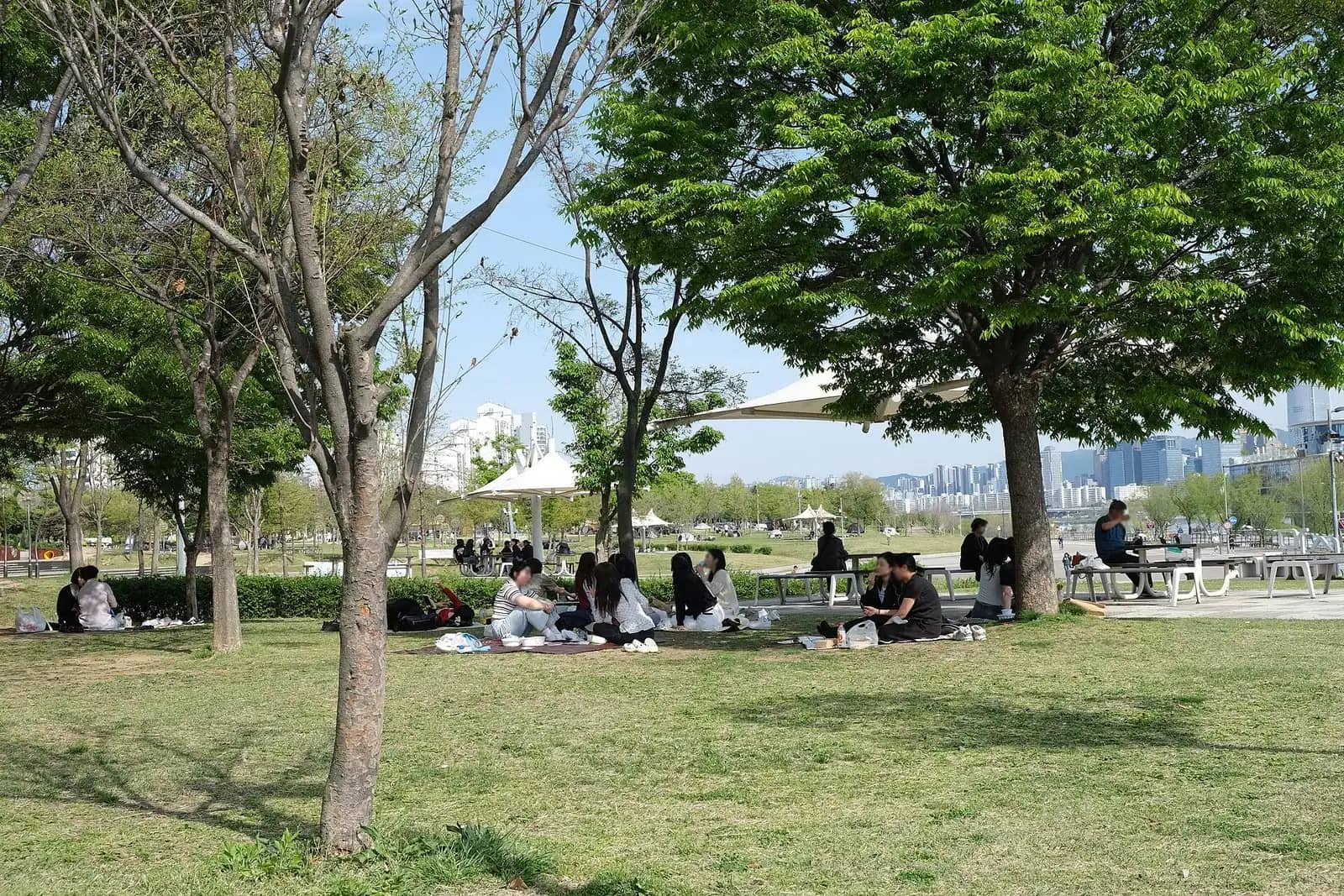
It works if you plan it as a short daytime meal or a park walk rather than an afternoon of conversation. Seoul is genuinely child-friendly, with nursing rooms in most public buildings, restaurants used to children, and large parks near subway stations. State your party size honestly, including ages, when you request a match.
Before you go
- Decide what matters most for your day.
- Check current hours, weather and transport.
- Leave a buffer between plans.
Is Seoul an easy city to visit with children?
Yes, by the standards of most large cities. Public buildings, department stores and large stations have dedicated nursing and family rooms, convenience stores are everywhere for the emergency snack, and restaurants are generally relaxed about children, with plenty offering floor seating that small children find easier than chairs. Public safety is good and people are broadly tolerant of noisy toddlers in casual places.
A little more detail
The hard parts are physical. The subway is excellent but many older stations have long stair runs and lifts placed at one specific exit, so a pushchair day needs route planning rather than improvisation. Seoul is hilly, alleys are narrow and often shared with delivery scooters, and summer humidity and winter wind are both punishing for small children.
One thing to know: a number of Korean cafes and restaurants designate themselves no-kids zones, which is legal and signposted. It is not personal and it is not universal, but it means you should check before committing to a specific cafe with a toddler.
What does a local meetup with kids look like?
Short, in daylight, somewhere with space and food. Ninety minutes is a realistic ceiling. The formats that work are a casual restaurant meal at an early hour, a market walk where everyone eats while moving, or a park where children can run while the adults talk. What does not work is a small quiet cafe and a two-hour conversation, which is the default a local will otherwise propose.
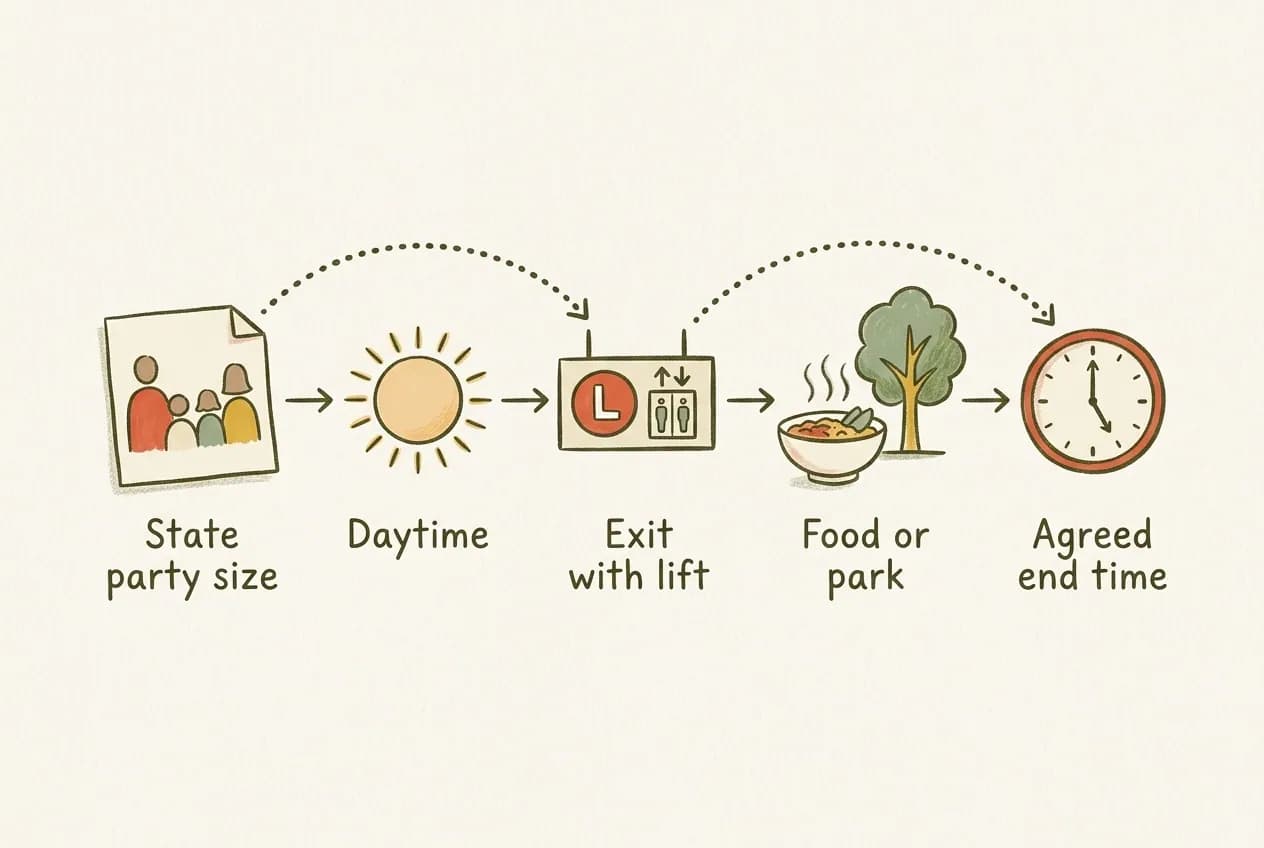
- Meet at a subway exit with a lift, and check which exit that is before you go.
- Eat early. Korean restaurants are quietest at noon and around 5.30 pm, and many close in the mid-afternoon.
- Pick a place with floor seating or a market with standing food if your child cannot sit still.
- Carry a change of clothes and wipes; many Korean restaurants have limited space for bags.
- Agree an end time in advance so neither side has to invent an exit.
- Keep the first meeting public and in daylight, exactly as you would without children.
A little more detail
Say this in the request. Give your exact party size and the ages of the children, say you need somewhere child-friendly, and name a time of day that fits your nap or school-holiday rhythm. Locals plan completely differently when they know a five-year-old is coming, and the honest party size is also a platform rule: a request for four people means four people arrive.
Expect Korean warmth toward children to be more physical and more direct than you may be used to. Strangers, including your local, may compliment, talk to or reach toward your child. It is friendliness, and you are entitled to set a boundary politely if you would rather they did not.
Which Seoul areas work best with children?
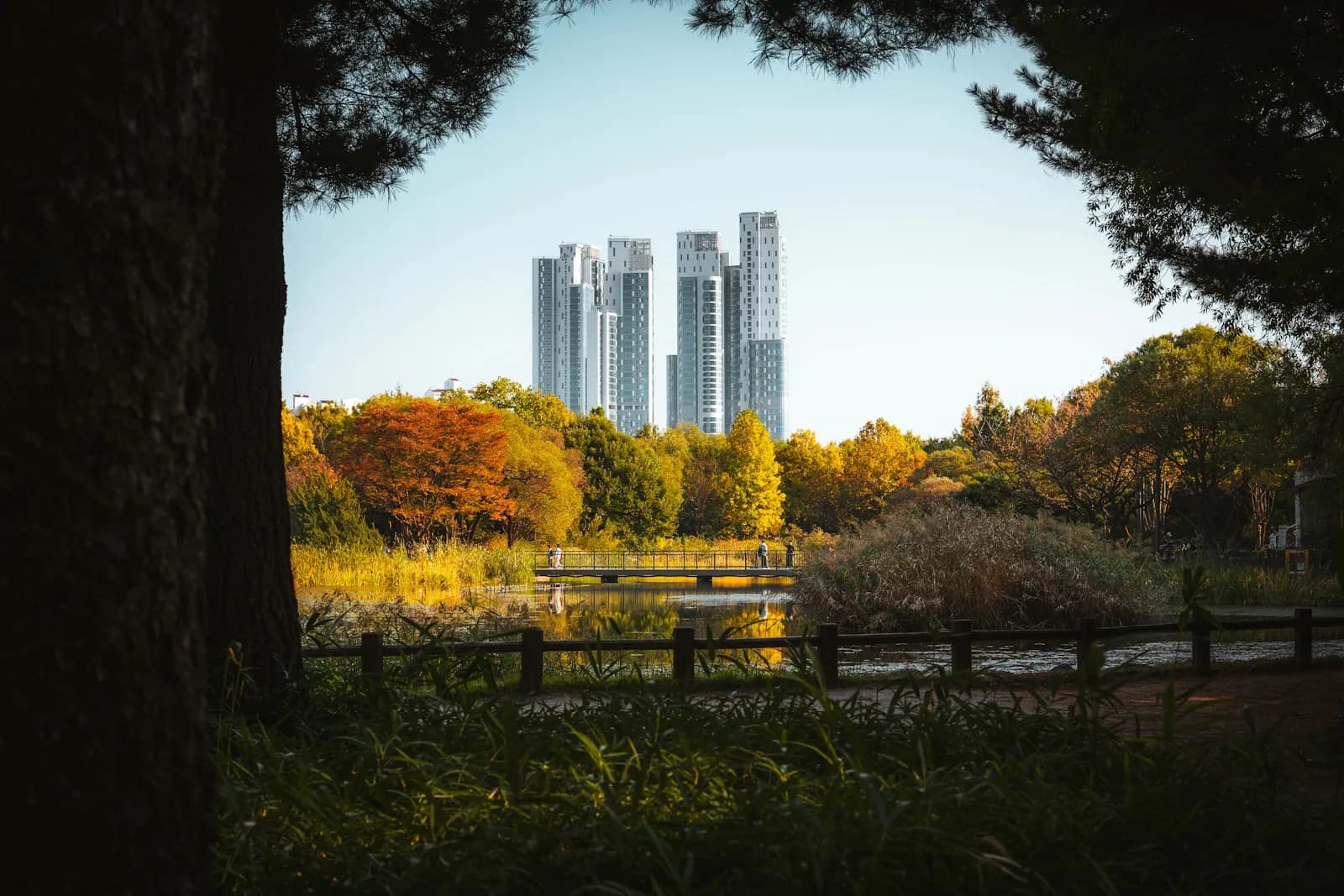
Prefer flat, green and near a station over dense and famous. The palace corridor and the river parks do most of the work, and the big science and children's museums are genuine half-days rather than filler.
| Area | Why it works with kids | Watch out for |
|---|---|---|
| Seongsu and Seoul Forest | Large flat park, deer enclosure, river path, easy cafes | Weekend crowds at the forest entrance |
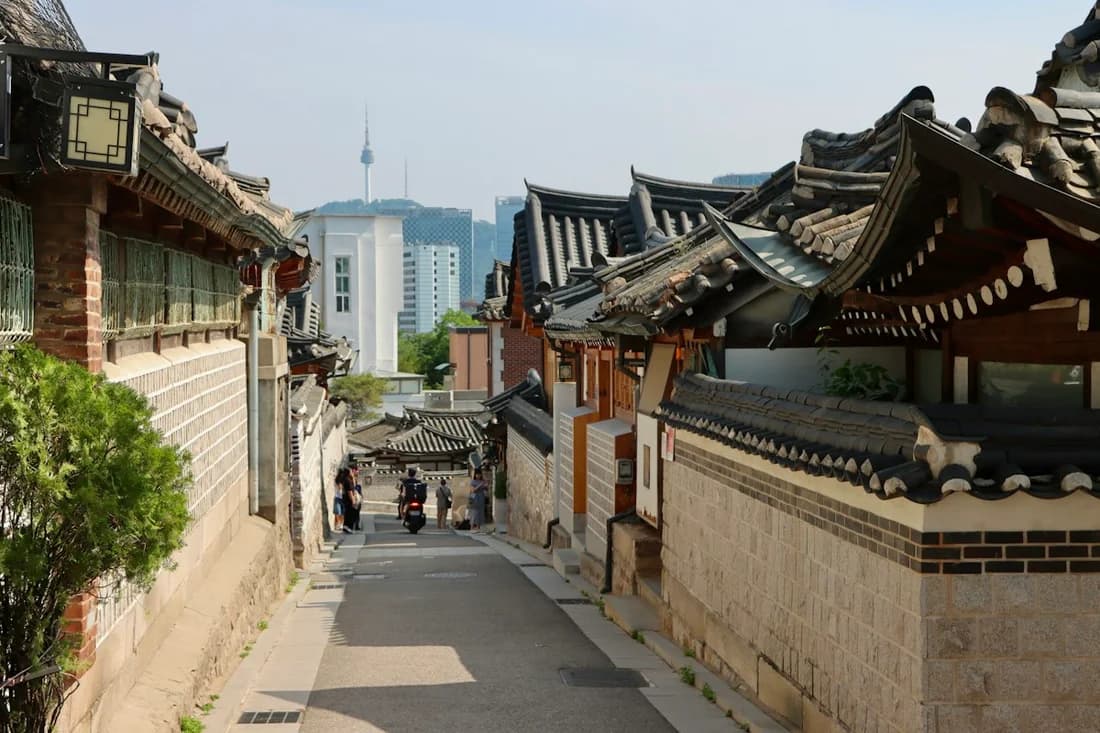
| Gyeongbokgung and Bukchon | Open palace courtyards, changing of the guard, folk museum | Bukchon is residential and steep; keep voices down |
| Yeouido and the Han River parks | Wide open space, bike rental, picnics, ferry piers | Little shade in summer, hard wind in winter |
| Jamsil | Aquarium, the tower, park and lake, large indoor mall | Very busy on weekends and school holidays |
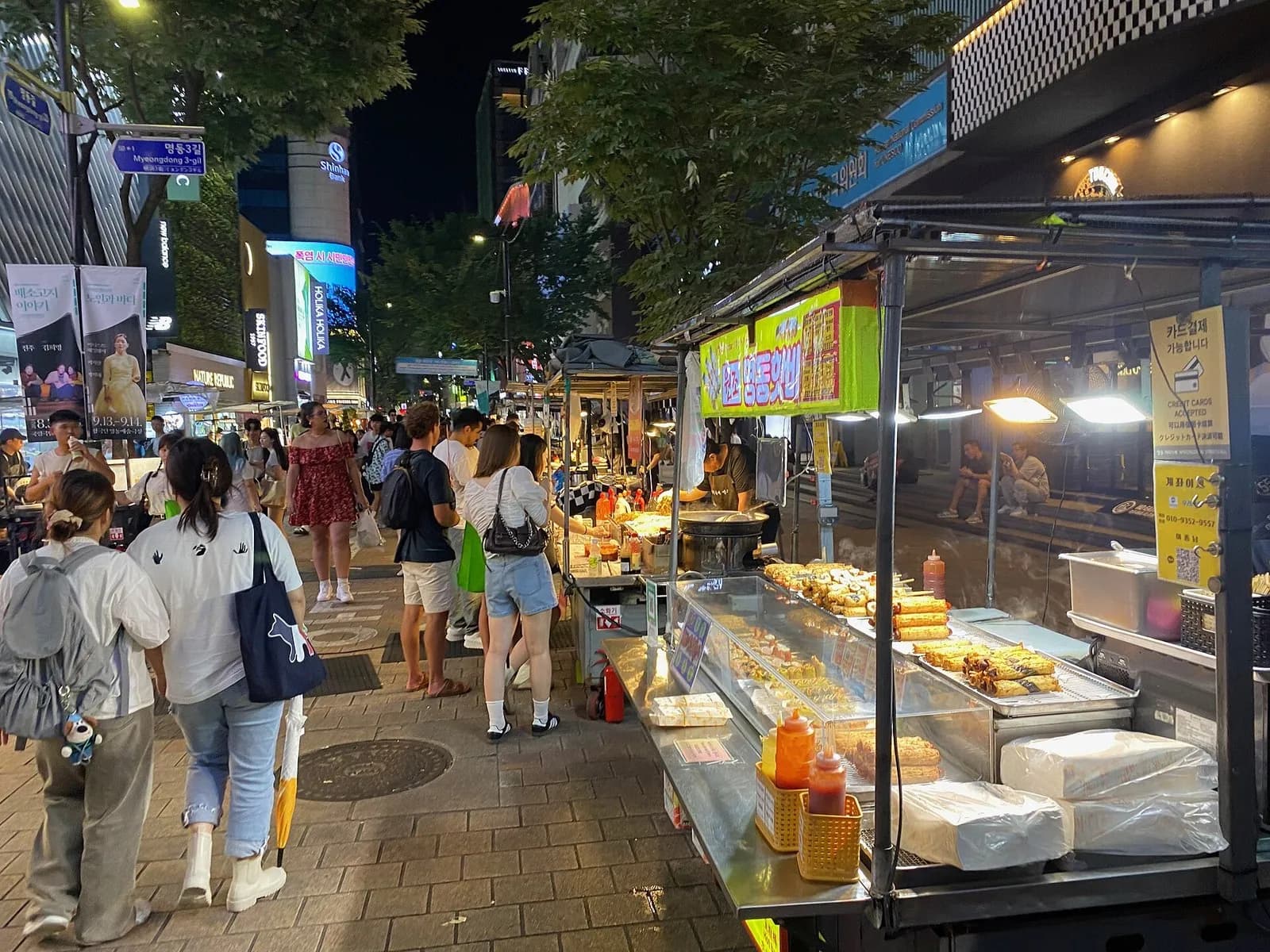
| Euljiro and Gwangjang Market | Market food that children can eat standing up | Tight crowded aisles; not a pushchair place |
What practical things should parents know?
Transport is cheap and children are discounted. Rechargeable transit cards come in child and youth versions sold at convenience stores, and taxis do not require child seats by law, which surprises many visiting parents; if that matters to you, bring a travel seat or plan around the subway.
A little more detail
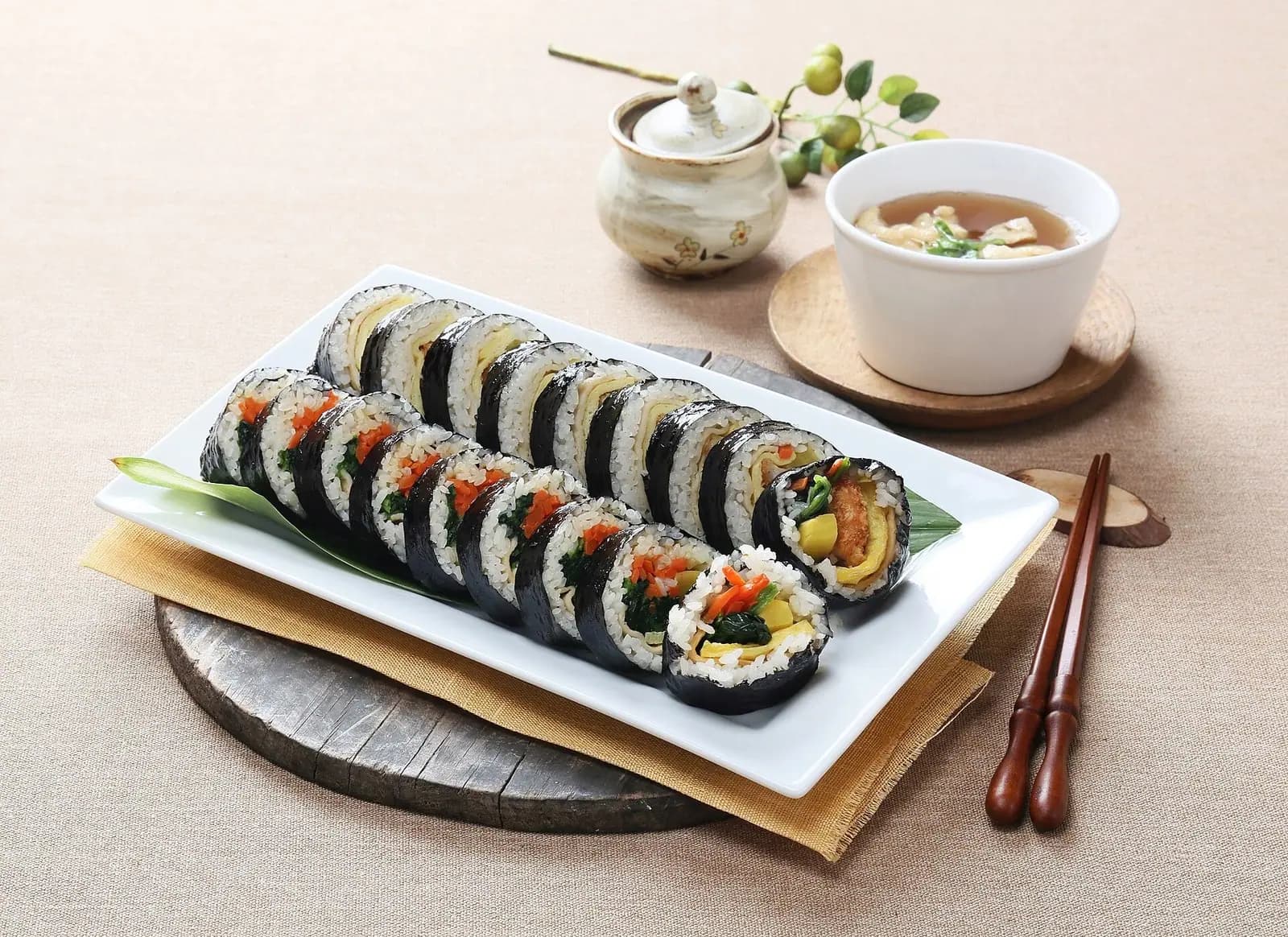
Food is easier than expected if you steer away from chilli. Korean food is not uniformly spicy: gimbap, mandu, galbi, jjajangmyeon, sundubu without the red paste, bulgogi, tteokgalbi, corn cheese and Korean-style fried chicken are all straightforward for children, and asking for an-maepge haejuseyo, meaning please make it not spicy, is a useful phrase. Many dishes are simply prepared without chilli rather than adjusted.
Bring or buy hand sanitiser and note that public toilets are common, clean and free in stations and department stores, most with a changing table in the family room rather than in the main toilet.
Is a local meetup better than a family tour?
They answer different needs. A paid family tour gives you a schedule, a person responsible for logistics, and tickets sorted, which is worth money when you are tired and outnumbered. A local meetup gives you an hour and a half of unfiltered conversation with someone who lives there, at no cost, and often one recommendation that reshapes the rest of your week.
A little more detail
On localseoul specifically, the meeting is a free social one between adults, in a public place, with every local ID-verified and manually approved; you each pay for your own food. Nobody is being hired, nobody is responsible for your itinerary, and if your child melts down after 40 minutes, ending early is entirely acceptable.
With young children, most families find the sensible answer is both: a paid activity or two for the fixed-schedule parts of the trip, and one local meeting for the part no tour provides.
Good questions.
Is Seoul child-friendly?
Largely yes. Nursing and family rooms are standard in public buildings and department stores, restaurants are relaxed about children, and public safety is good. The friction is physical: stairs in older subway stations, hills, narrow alleys, and some cafes that designate themselves no-kids zones.
Can I bring my children to a localseoul meetup?
Yes, as long as you state the exact party size and the children's ages in the request. Locals plan differently for a family, and bringing uninvited extra people is against the rules. Keep it short, daytime and in a public place.
Is Korean food too spicy for kids?
Not necessarily. Gimbap, mandu, bulgogi, galbi, jjajangmyeon and Korean fried chicken are all mild, and many dishes can be made without chilli. The phrase an-maepge haejuseyo means please make it not spicy, and most casual restaurants will oblige.
Do taxis in Seoul have child seats?
Generally no, and Korean law does not require them for taxis. If a car seat matters to your family, bring a travel seat or plan around the subway and buses, which are cheap and have discounted child transit cards.
What is the best Seoul neighborhood for a family day?
Seongsu with Seoul Forest is the easiest combination of flat green space, a river path and simple food. The Gyeongbokgung area works for a half-day of open courtyards and the folk museum, and the Han River parks are good in mild weather.
Plans and opening hours can change. Check the venue or official source before you go. How we put these guides together · Suggest a correction
Get a feel for the neighborhood.
Keep exploring.
All guides ↗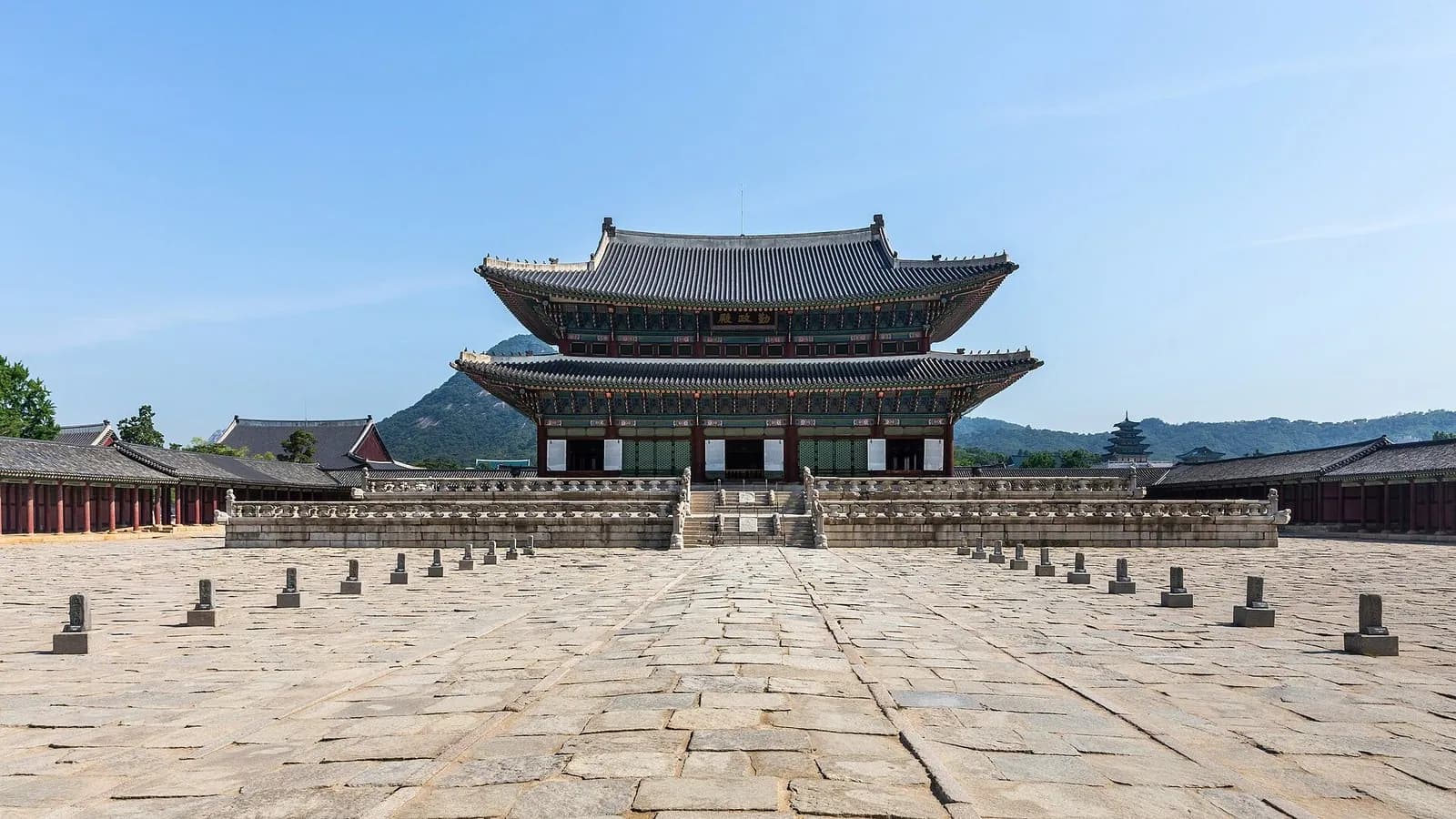 Your kind of trip
Your first three days in Seoul
Pick a neighborhood. Leave room to wander.
 Make friends
Feeling at home in Seoul
Language, small gestures and expectations.
 Make friends
The first hello
A few small things that help.