Konkuk University (Kondae) and Seongsu's student side
A university neighborhood after class.
Here’s what to know.
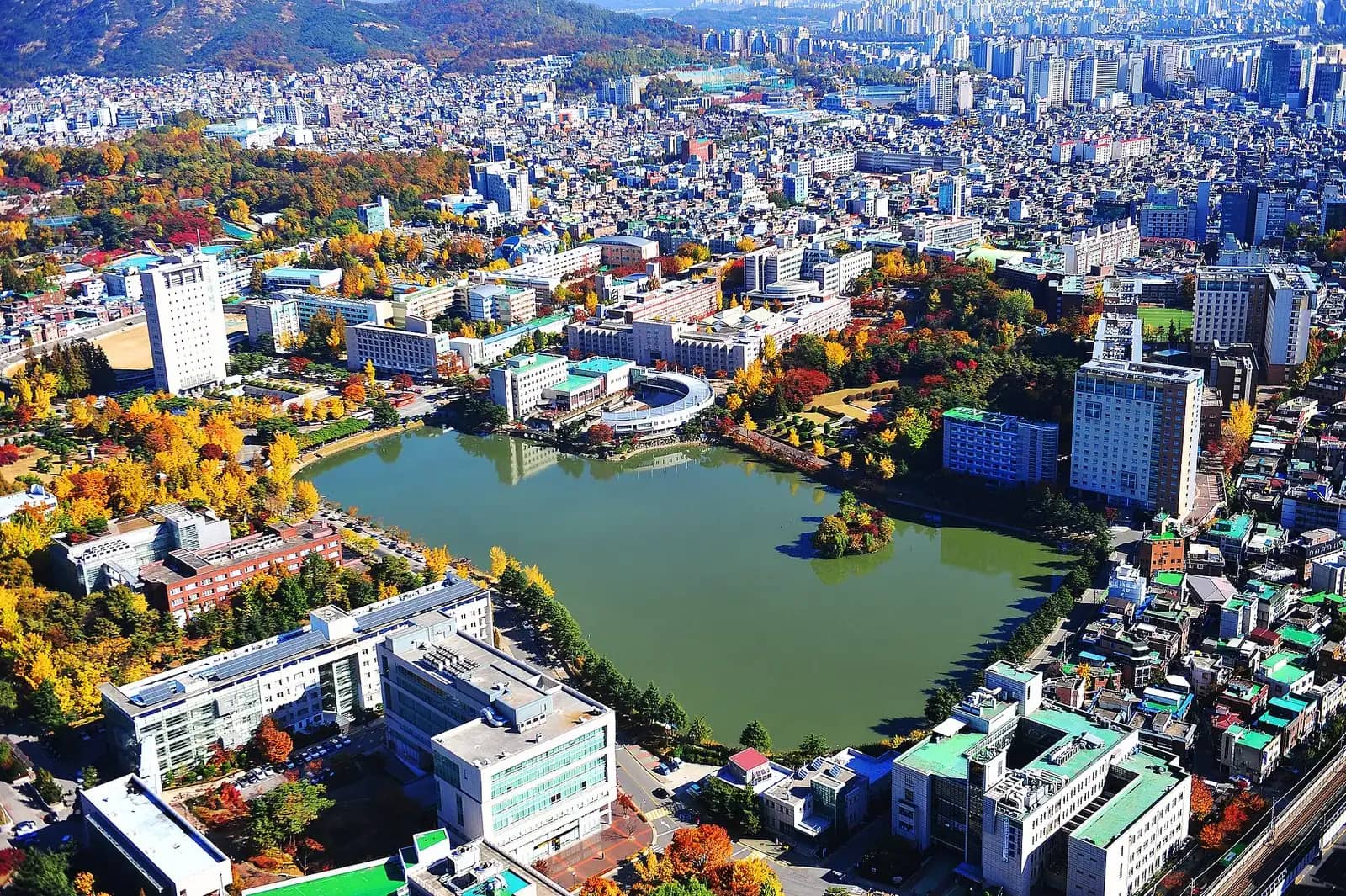
Kondae is the area around Konkuk University Station in Gwangjin-gu, where subway lines 2 and 7 cross. It is a student district: cheap restaurants, late-night drinking streets, karaoke and a container-built shopping mall. Seongsu is one stop west on line 2, and Ttukseom Hangang Park is a short walk south.
Before you go
- Pin your arrival station and a meeting place.
- Check today’s opening hours before setting out.
- Leave time to walk and choose an indoor backup.
What is Kondae, and where is it?
Kondae is the standard Korean short form for Konkuk University and, by extension, the commercial district around its gates in Hwayang-dong, Gwangjin-gu. Konkuk University Station is an interchange between line 2, the circular line, and line 7, which makes it one of the easier student areas in eastern Seoul to reach.
A little more detail
The district is compact. Almost everything is within ten minutes' walk of the station: the main street locals call Kondae Geori, the alleys behind it, the university campus with its large pond, and a shopping complex built from stacked shipping containers just outside exit 6.
It is genuinely a student neighborhood rather than a tourist one. Foreign visitors are a small minority, English menus are inconsistent, and prices reflect a customer base of undergraduates.
How does Kondae relate to Seongsu?
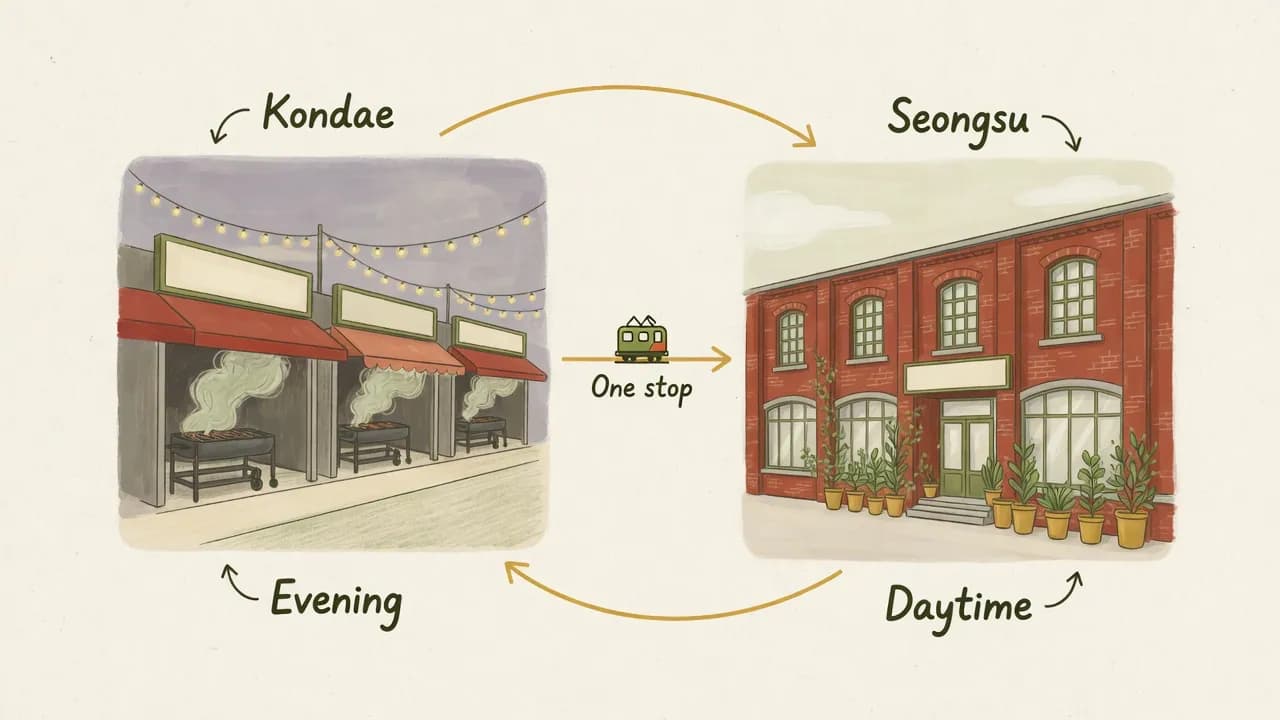
Seongsu Station is one stop west of Konkuk University on line 2, and the two districts are about a twenty-five minute walk apart. They are usually described together because they sit on the same stretch of Seoul north of the river, but they serve opposite purposes.
| Kondae | Seongsu | |
|---|---|---|
| Who fills it | Students and local residents | Design crowd, brand pop-ups, visitors |
| Price level | Low | High |
| Peak hours | Evening to very late | Late morning to early evening |
| Typical spend | Grilled meat and beer | Coffee, pop-ups, boutiques |
| Station | Konkuk Univ (lines 2, 7) | Seongsu (line 2) |
A little more detail
Seongsu is the design district: converted warehouses, specialty coffee, brand pop-ups, and prices to match. Kondae is where the students who study nearby actually eat and drink. Visitors who have spent a day photographing Seongsu often end the evening in Kondae without realizing they have changed districts.
What do you eat and drink in Kondae?
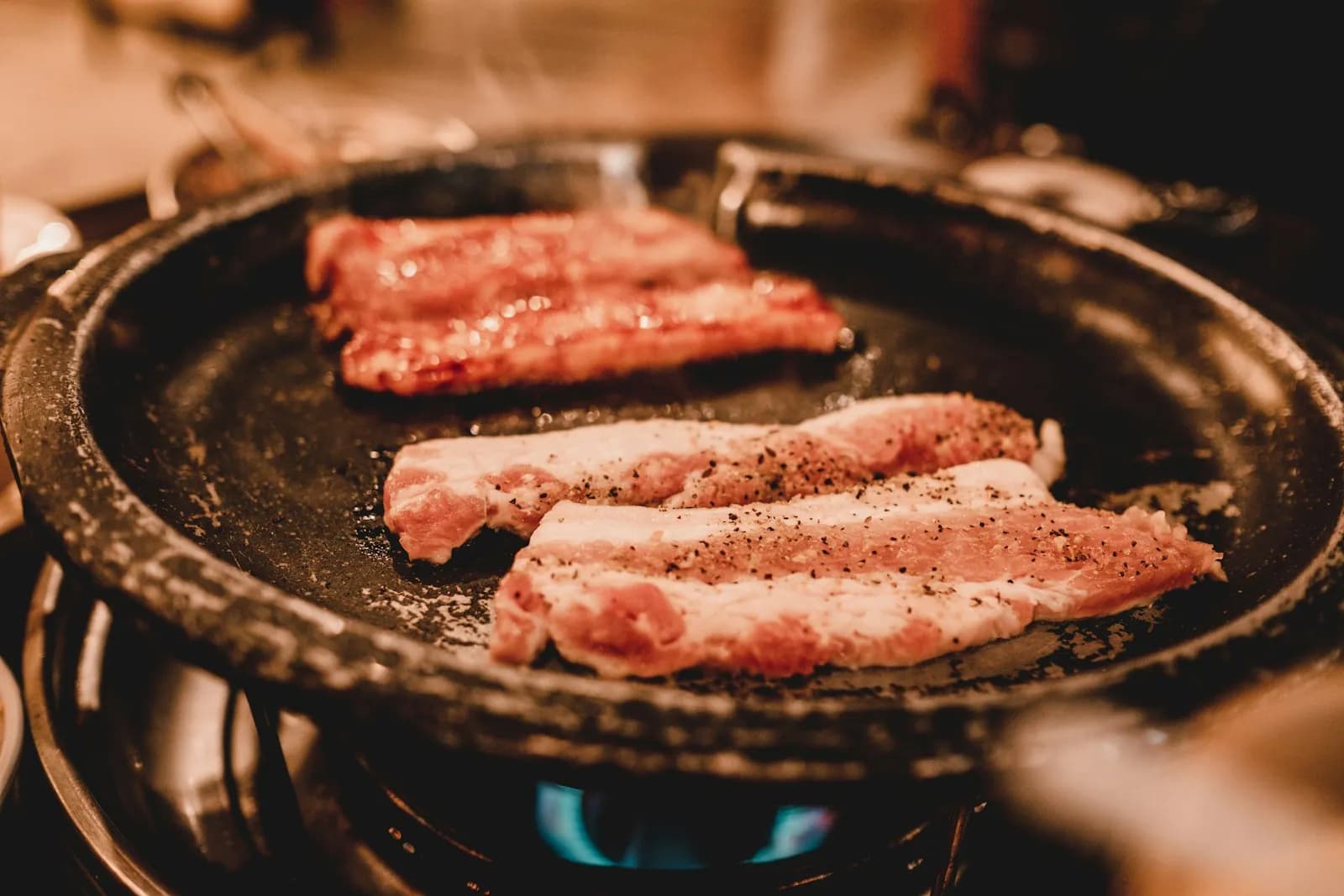
Kondae is a grilled-meat and fried-chicken district before anything else. The alleys behind the main street are lined with samgyeopsal houses, budae jjigae, jjimdak and chicken-and-beer places sized for groups of four to eight, and they stay open far later than equivalent places in most of Seoul.
A little more detail
The second category is the cheap fast food that student areas run on: tteokbokki and fried snacks, gimbap counters, toast stands and lunchboxes, most of them serving through the afternoon and into the night. If you want to see what a Korean student budget actually buys, this is a clearer window than Hongdae, which now prices for visitors.
Drinking here follows the student pattern of moving in rounds — a meal with soju or beer, then a second place, then karaoke. Nothing about it requires you to keep up; declining further rounds is normal and expected.
What else is around Konkuk University Station?
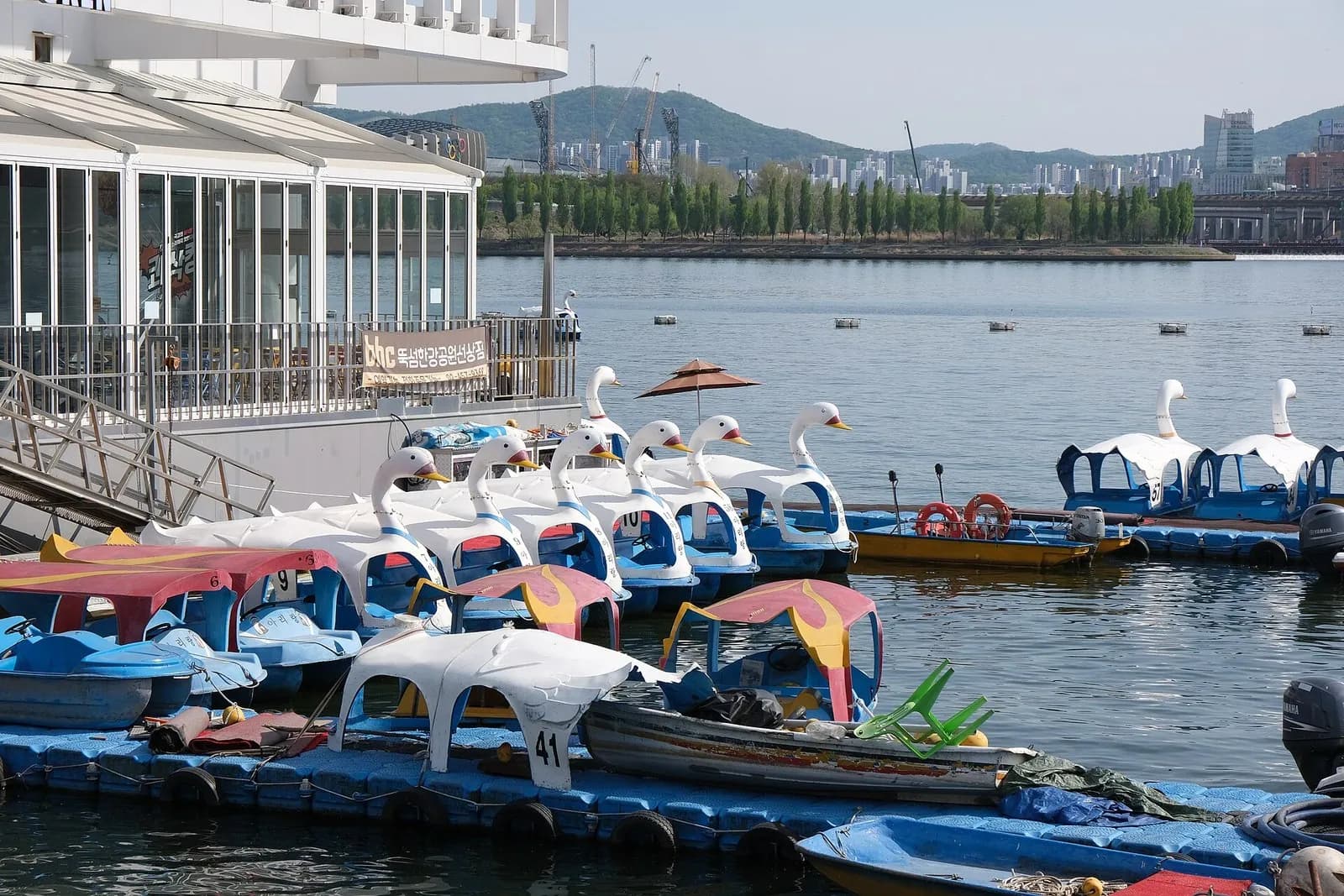
Ttukseom Hangang Park lies south of the station, reachable in about fifteen minutes on foot or one stop on line 7 to Jayang Station, renamed from Ttukseom Resort in 2024; the signs read Jayang (Ttukseom Hangang Park). It is one of the more used riverside parks on this stretch, with bike rental, a swimming pool in summer and a good view back toward the bridges.
A little more detail
Children's Grand Park, a large free public park with gardens, a zoo and walking paths, sits east on line 7 at its own station and is a standard family destination for eastern Seoul rather than a tourist site.
The container mall outside the station is worth ten minutes for the structure itself; it is a shopping complex assembled from blue shipping containers, and it functions as the district's landmark and meeting point.
Should a visitor come here, and how does a local help?
Kondae is not a sight. It earns a visit if you want to eat well for very little, see how Seoul students spend an evening, or have a late dinner after a day in Seongsu or at the river. If your trip is three days long and palace-focused, it can be skipped without loss.
A little more detail
It is, however, one of the areas where a resident makes the largest practical difference, because the signage is Korean, the menus are Korean and the good places look identical to the mediocre ones from the street.
localseoul matches travelers with ID-verified Seoul residents for coffee, food or a walk, free during early access. Konkuk University is one of the selectable areas on the request form, and locals in neighboring Seongsu often know Kondae well, since the two districts are one subway stop apart.
Good questions.
What does Kondae mean?
It is the Korean short form for Konkuk University (Konkuk Daehakgyo). Koreans use it for both the university and the commercial district around Konkuk University Station, where subway lines 2 and 7 meet in Gwangjin-gu.
How far is Kondae from Seongsu?
One stop west on subway line 2, or about a twenty-five minute walk. Many people combine them: Seongsu in the afternoon for coffee and pop-ups, Kondae in the evening for a cheaper dinner and later hours.
Is Kondae good for solo travelers?
For eating, partly — many grilled-meat places assume two or more people, though gimbap counters, noodle shops and chicken places serve one without difficulty. For meeting people, it is easier with someone who knows the area, since it is a local rather than a visitor district.
Is there anything to see in Kondae during the day?
Not much. It is an evening district. During the day the nearby options are Ttukseom Hangang Park to the south, Children's Grand Park to the east on line 7, or one stop west into Seongsu.
Plans and opening hours can change. Check the venue or official source before you go. How we put these guides together · Suggest a correction
Keep exploring.
All guides ↗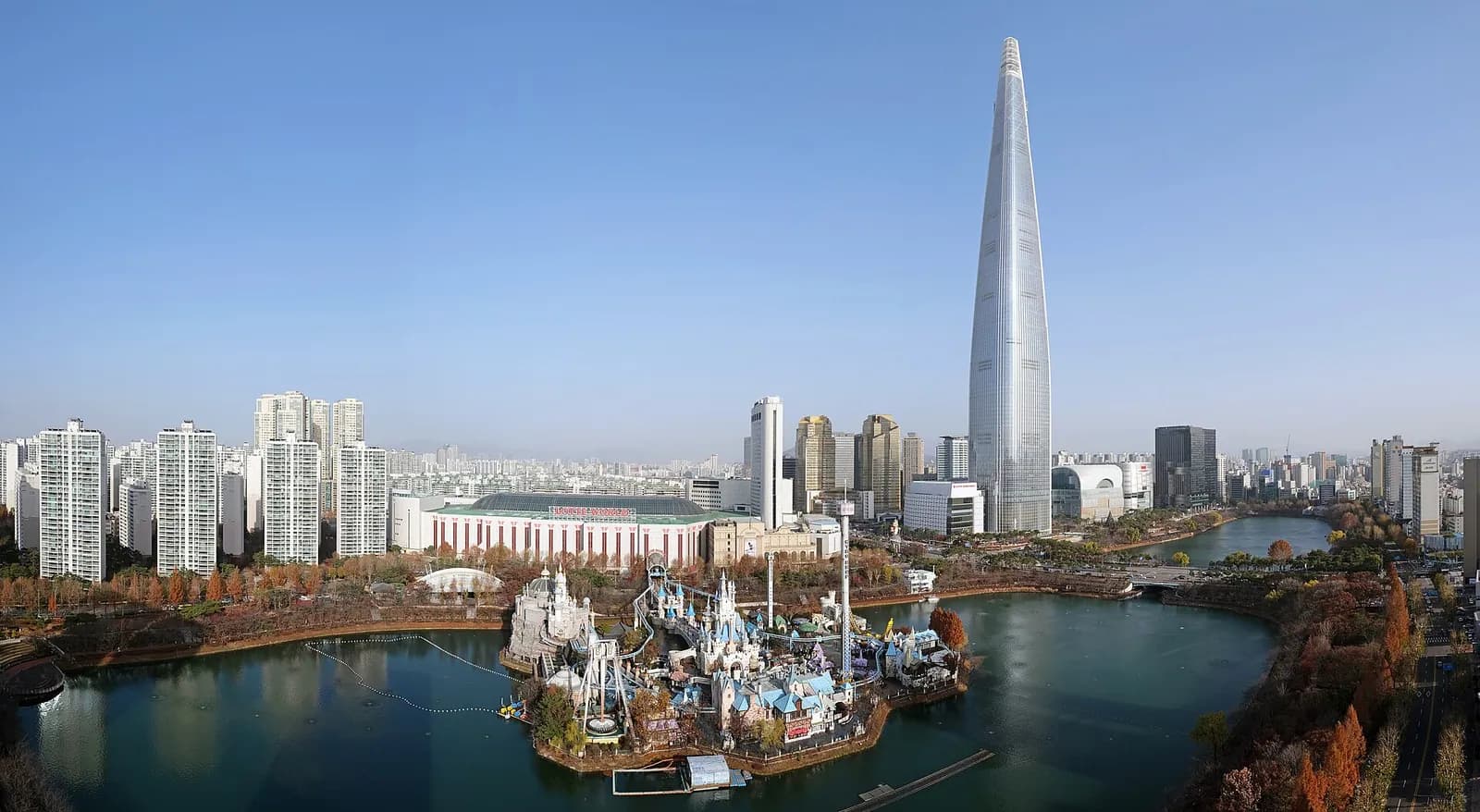 Neighborhoods
A lakeside day in Jamsil
Space to walk, with an indoor backup.
 Everyday know-how
Drinks, on your terms
You can always choose something else.
 Everyday know-how
Split the bill, skip the guesswork
Ask before you order.