Airbnb Experiences vs meeting a local for free in Seoul
A booked experience versus a local meetup.
Here’s what to know.
Airbnb Experiences are paid, bookable activities with a set start time, a defined activity and a host running it for a group. A free local meetup is two people having coffee. The Experience is a product with a refund policy; the meetup is a conversation with no schedule and no guarantee. They answer different questions.
Before you go
- Decide whether you want a social meetup or a paid service.
- Check the current availability and provider terms.
- Agree on the plan and any costs beforehand.
What exactly is an Airbnb Experience?
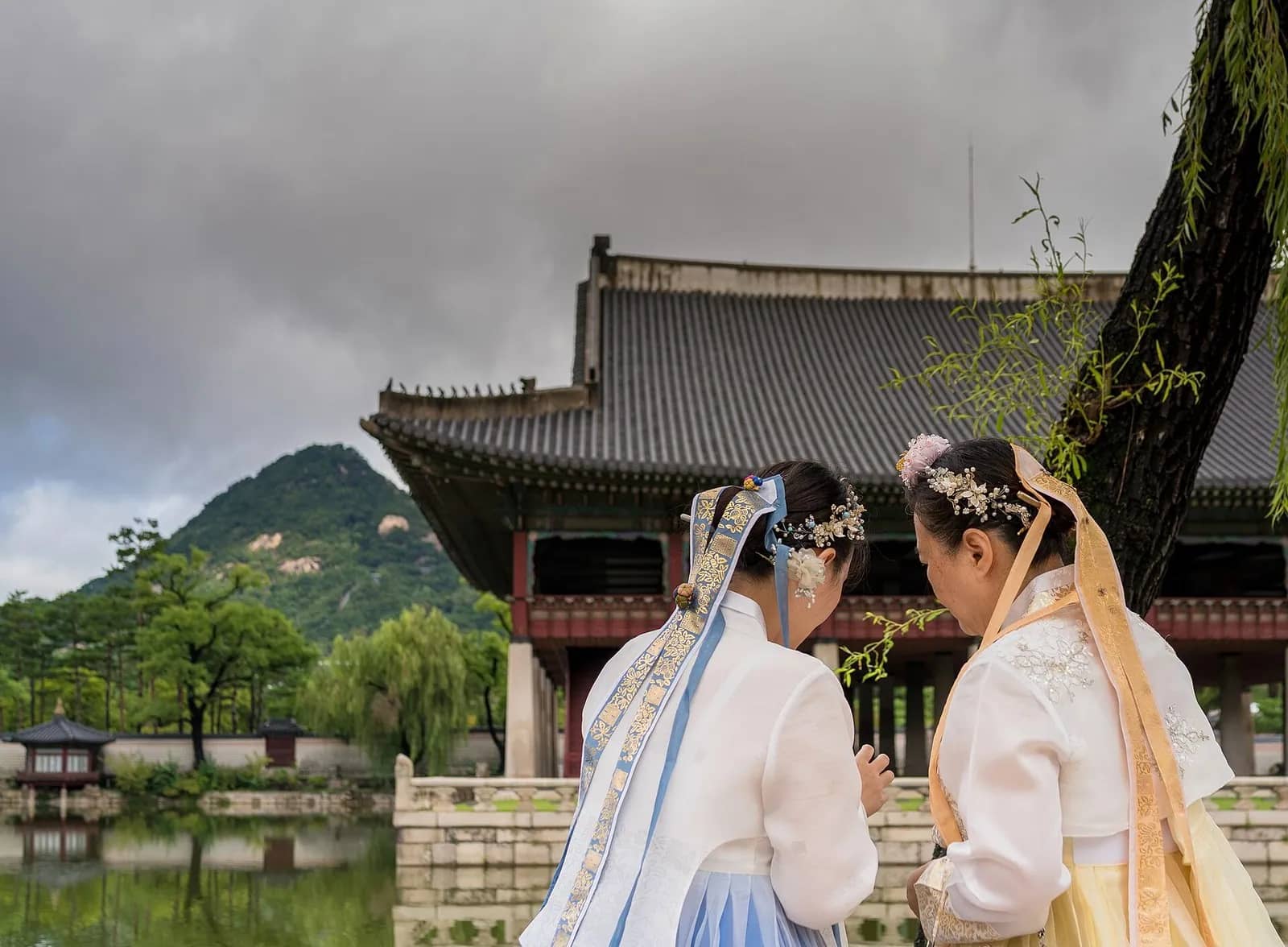
It is a paid activity hosted by an individual or a small business, booked per person through the platform, with a fixed time, duration, meeting point and description. In Seoul the common formats are cooking classes, hanbok and photo sessions, market food walks, temple and palace walks, pottery and craft workshops, and night-time drinking tours.
A little more detail
The host is running a business. They have designed the activity, they repeat it regularly, and they are being paid per head. That produces a reliable, rehearsed experience and it is also the reason it is rehearsed.
Most Seoul Experiences are group activities, which means you are booking alongside strangers unless you pay for a private version. The number of other participants is usually stated in the listing, and it changes the character of the session considerably.
What do you get from a paid Experience that you cannot get free?
Access to things you cannot do alone. A cooking class comes with a kitchen, ingredients and a recipe. A pottery workshop comes with a wheel and a kiln. A hanbok photo session comes with a photographer and the clothes. None of that is knowledge a friend can substitute for.
| Airbnb Experience | Free local meetup | |
|---|---|---|
| What it is | Paid hosted activity | Two people meeting socially |
| Cost | Paid per person | Free on localseoul during early access |
| Booking | Confirmed slot with a cancellation policy | A local must accept your request |
| Group | Usually shared with other guests | One to one, or your small party |
| Content | A designed, repeatable activity | Whatever that person actually does |
| Host role | Running a business | Not paid by you, not a guide |
| Best for | Skills, equipment, guaranteed plans | Conversation and ordinary Seoul |

A little more detail
You also get certainty. A booking has a confirmed time, a stated duration, a cancellation policy and a review history you can read before paying. If it goes wrong there is a platform between you and the host.
And you get a skill or an object. Travelers who like Experiences tend to like coming home with something, whether that is a bowl they made or the ability to cook tteokbokki properly. A conversation over coffee does not produce an artefact.
What does a free local meetup give you instead?
The unrehearsed version. A resident meeting you for coffee has not designed anything, so what you get is their actual neighborhood, their actual habits and their actual opinions, including the unflattering ones about the district you are staying in. Paid hosts have a script because repetition demands one.

A little more detail
You also get to steer. An Experience runs its route regardless of what you find interesting. A conversation goes wherever the two of you take it, which for a lot of travelers is the entire point.
localseoul is the free option here. It matches independent travelers with ID-verified Seoul residents for coffee, food or a walk. Locals are not paid by travelers; after a verified meetup the local receives a KRW 10,000 Starbucks e-gift from localseoul. Most requests hear back within 48 hours, and a directly named local has 72 hours to accept.
What are the real downsides of the free route?
There is no guarantee. A meetup happens only if a local reads your request and chooses to accept, which means it can simply not happen. There is nothing to refund and nobody to escalate to, because nothing was sold.
A little more detail
Coverage is narrower. The early-access pilot covers twelve areas, not the whole city, and locals are not guides: they will not lecture you on Joseon history, run a class, or organize a full-day itinerary. If you want a structured activity, buy one.
And it is a short, single meeting rather than a program. Two hours over coffee is the typical shape. Travelers who want their whole Tuesday planned should not expect that from a person volunteering their afternoon.
How do you choose between them for a specific day?
Ask what the day needs to produce. If the answer is a skill, an object, a photograph or a fixed commitment, book an Experience. If the answer is a conversation, a recommendation or a feel for a neighborhood, arrange a meetup and keep the day loose.
- Want a skill or equipment: book a paid Experience.
- Want conversation and neighborhood knowledge: arrange a free meetup.
- Need a guaranteed time slot: book, do not arrange.
- Travelling in a group of four or more: a paid activity scales better.
- Repeat visitor who has done the sites: the free meetup gives you more that is new.
A little more detail
Ask who you are traveling with, too. Experiences work well for couples, families and groups because everyone gets the same thing at the same time. A social meetup with four travelers and one local turns into an interview, and works best at one or two visitors.
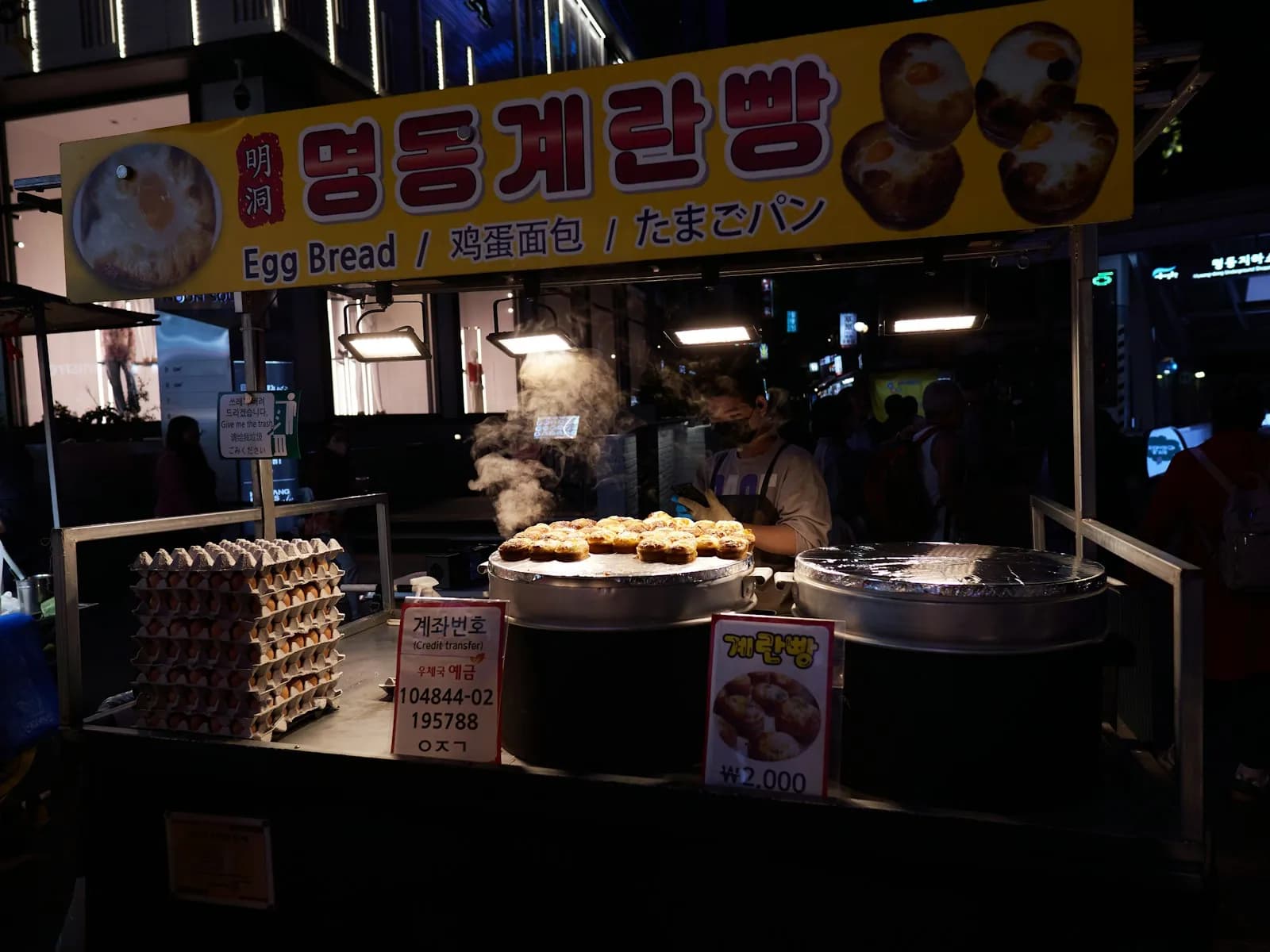
Then check the money. A group of four paying per person for a cooking class is a real expense, and it buys a genuinely good afternoon. The same four people can also eat at Gwangjang Market for far less and learn different things.
Can you do both in one trip?
Yes, and the sequence matters. Do the meetup early in the trip if you can, because the recommendations you get out of it change what you book afterwards. A resident telling you which market and which day is worth more on day two than on day six.
A little more detail
Then book one paid Experience for the thing you cannot improvise. Cooking, ceramics, hanbok photography and anything requiring a venue all belong in that slot, and a well-reviewed host will do it better than any amateur arrangement.
Budget-wise this is also the efficient split: pay once for the thing that requires paying, and spend nothing on the part that was never for sale.
Good questions.
Are Airbnb Experiences in Seoul worth it?
They are worth it when the activity needs equipment, a venue or a skill you cannot get otherwise, such as cooking classes, pottery or hanbok photography. They are poor value when the listing is essentially a walk through a neighborhood you could walk yourself.
Is an Experience host the same as a local friend?
No. A host is running a paid business and repeating a designed activity for guests. A local meeting you socially is not being paid by you and has nothing planned. Both are Seoul residents; only one of them is working.
Can I meet a local in Seoul without paying?
Yes. Free matching services introduce travelers to ID-verified residents for coffee, food or a walk, with no money changing hands. The trade-off is that nothing is guaranteed, since it depends on a local choosing to accept your request.
Should I book Experiences before I arrive?
Book anything with limited capacity, such as cooking classes and workshops, before you arrive, especially in autumn. Leave at least one afternoon unbooked, because the best recommendations you get in Seoul tend to arrive after you have already met someone who lives there.
Plans and opening hours can change. Check the venue or official source before you go. How we put these guides together · Suggest a correction
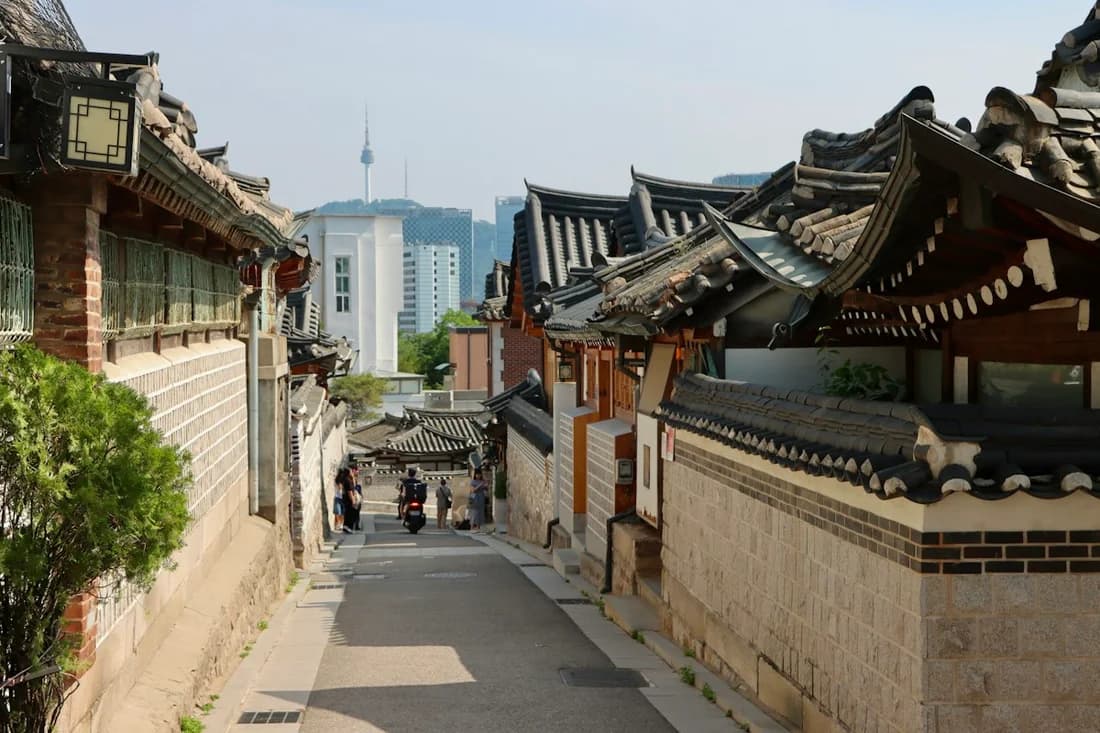
Get a feel for the neighborhood.
Keep exploring.
All guides ↗ Find your fit
Paid hosting or a social meetup?
Choose the kind of company you want.
 Find your fit
Planning for a private guide
What to check before you book.
 Find your fit
A local friend or a tour guide?
Different plans, different expectations.